


How to Align Tax Compliance With Monthly Bookkeeping
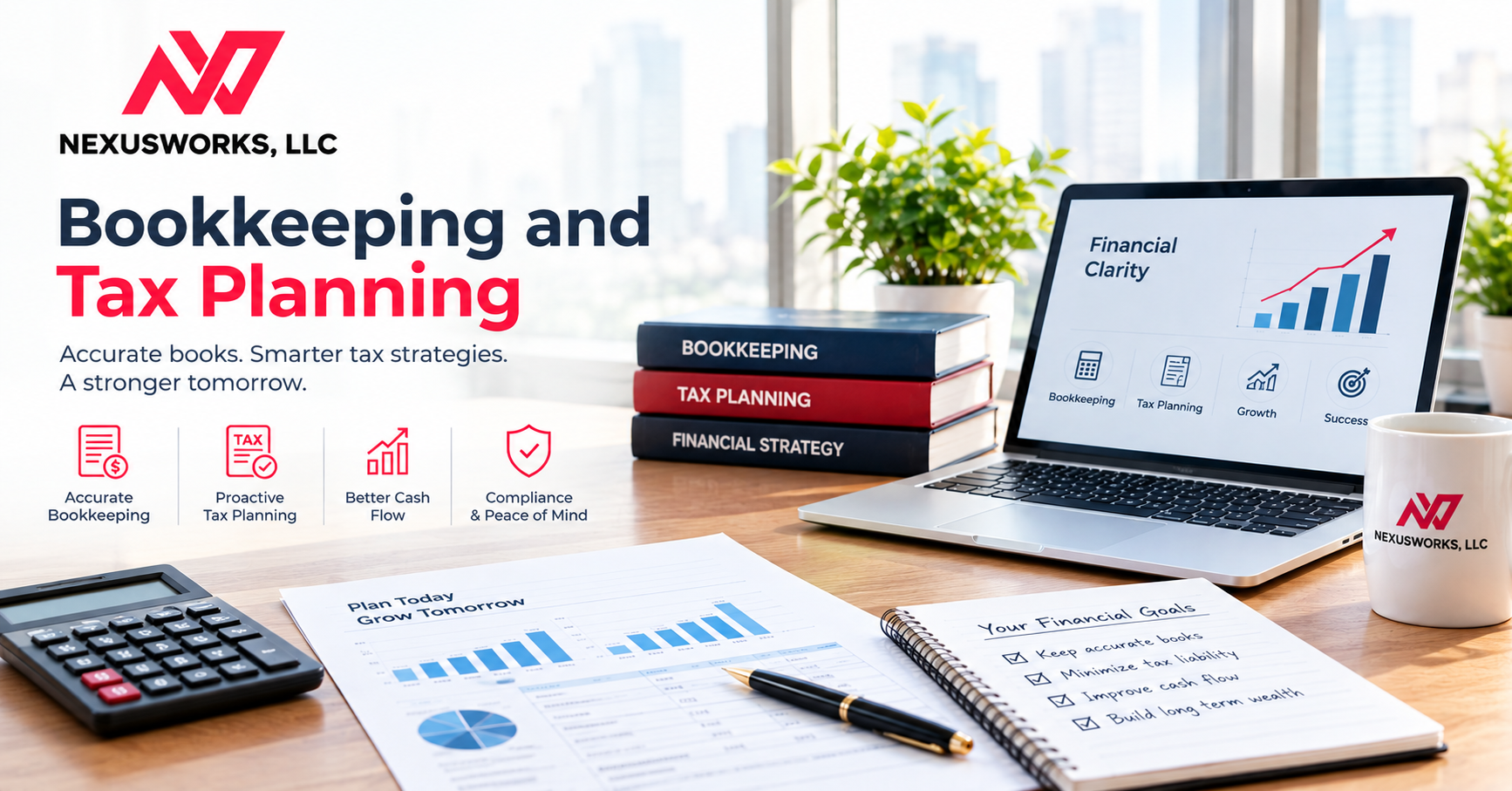
Managing business finances involves more than recording income and expenses. Businesses also need to meet tax deadlines, maintain accurate financial records, and ensure their tax returns reflect their actual financial activity. When bookkeeping and tax compliance operate separately, small mistakes can turn into costly problems.
Monthly bookkeeping provides a reliable foundation for tax compliance by keeping financial information current throughout the year. Instead of organizing receipts, correcting transactions, and searching for missing records at tax time, business owners can maintain accurate records every month.
For growing businesses, this approach improves financial visibility, reduces last-minute pressure, and helps prevent avoidable filing errors. By connecting bookkeeping with a consistent tax compliance process, businesses can make informed decisions while staying prepared for their tax obligations.
1. Understand How Bookkeeping Supports Tax Compliance
Bookkeeping involves recording and organizing financial transactions, including sales, operating expenses, payroll, loan payments, and other business activities. Tax compliance involves meeting applicable tax filing, payment, reporting, and recordkeeping requirements.
Although these functions serve different purposes, they depend on much of the same financial information.
For example, if a business records an expense incorrectly, that mistake may affect its financial statements and the amount of deductible expenses reported on a tax return. Missing revenue can create additional problems, while poorly documented transactions may make it difficult to substantiate deductions.
Monthly bookkeeping helps prevent these issues by keeping records updated and easier to review.
Businesses should maintain accurate records of:
- Sales revenue and customer payments
- Operating expenses and supporting receipts
- Payroll, employee benefits, and payroll tax liabilities
- Accounts receivable and accounts payable
- Bank loans, interest, and repayments
- Sales tax collected and amounts owed, where applicable
- Business assets, depreciation, and significant purchases
The specific records required depend on the business structure, location, industry, and tax obligations.
When these records are maintained consistently, tax professionals can work with more reliable information. They can identify potential concerns earlier and provide guidance before filing deadlines approach.
2. Establish a Consistent Monthly Bookkeeping Schedule
One of the most effective ways to align bookkeeping with tax compliance is to establish a regular monthly close process. This gives business owners a predictable routine for reviewing transactions and preparing financial information.
Without a schedule, bookkeeping often becomes a task that gets postponed until the end of a quarter or the tax year. As a result, missing documents and incorrect entries may remain unnoticed for months.
A practical monthly process should include several steps.
Record all financial transactions. Enter sales, expenses, payroll activity, refunds, and other transactions into the accounting system. Make sure transactions are assigned to appropriate accounts.
Reconcile bank and credit card accounts. Compare accounting records with bank statements and credit card statements. Investigate unexplained differences, duplicate transactions, and missing entries.
Review accounts receivable and payable. Check outstanding customer invoices, unpaid supplier bills, and overdue balances. This helps maintain accurate financial records and supports cash flow planning.
Verify payroll information. Confirm that wages, payroll taxes, employee benefits, and related liabilities have been recorded correctly.
Review monthly financial reports. Examine the profit and loss statement, balance sheet, and cash flow information. Look for unusual changes, unexpected expenses, or balances that need further investigation.
A business may aim to complete these tasks within the first 10 to 15 days of the following month, depending on its size and complexity. The important point is to follow a consistent schedule rather than waiting until tax deadlines are close.
3. Connect Monthly Records With Tax Deadlines and Obligations
Accurate bookkeeping is only part of the process. Businesses must also understand which tax obligations apply to them and when those obligations must be fulfilled.
Tax deadlines vary according to jurisdiction, business structure, payroll arrangements, revenue, and other factors. Depending on the circumstances, a business may need to manage income tax estimates, payroll tax deposits, sales tax returns, information reporting, or annual income tax filings.
Connecting these obligations to monthly bookkeeping makes it easier to identify upcoming responsibilities.
Start by creating a tax compliance calendar that includes applicable filing dates, payment deadlines, reporting requirements, and internal review dates. Assign responsibility for each task so that important obligations do not depend on someone remembering them at the last minute.
Next, use monthly accounting records to prepare for those deadlines. For example, payroll records can support payroll tax reporting, while sales records can help determine sales tax liabilities where relevant. Updated income and expense records also provide useful information for estimating taxable income and planning estimated tax payments.
Businesses should review tax liabilities regularly and keep sufficient funds available for upcoming payments. Recording a tax liability in the accounting system does not mean the money has been reserved in a bank account. Separate cash flow planning may be necessary to avoid spending funds needed for taxes.
For businesses operating in multiple states or countries, additional attention may be required. Different jurisdictions can have different registration, reporting, and payment requirements. A qualified tax professional can help determine which obligations apply.
4. Use Accounting Technology and Professional Reviews to Reduce Errors
Manual spreadsheets and disconnected systems can make financial management more difficult as a business grows. Information may be entered more than once, receipts may become separated from transactions, and important balances may not be updated promptly.
Accounting software can simplify monthly bookkeeping by organizing transactions, importing bank activity, generating financial reports, and storing supporting documentation. Some platforms also offer recurring transaction rules, invoice tracking, payroll integrations, and reporting features.
However, automation does not eliminate the need for review. Bank feeds may misclassify transactions, duplicate entries can still occur, and software cannot always determine the correct tax treatment of unusual expenses or complex transactions.
Businesses should establish clear procedures for using their accounting systems.
- Use a consistent chart of accounts that reflects the business's activities.
- Attach receipts and invoices to relevant transactions whenever possible.
- Limit access to financial systems based on employees' responsibilities.
- Review automated categorizations instead of accepting every suggestion.
- Keep digital records organized by month, account, and transaction type.
- Maintain backups and follow appropriate data security practices.
Professional support can make this process more reliable. A bookkeeper can maintain transaction records, reconcile accounts, and prepare monthly reports. A CPA or other qualified tax professional can review tax-sensitive transactions, assess filing requirements, and provide guidance on tax planning.
For many businesses, coordinating these responsibilities is more effective than treating bookkeeping and tax preparation as separate annual activities. It creates a shared understanding of the numbers and gives business owners more time to focus on operations.
5. Review Financial Records Monthly and Resolve Problems Early
Monthly bookkeeping should do more than keep records organized. It should help businesses identify financial and tax issues before they become difficult to resolve.
For example, a sudden increase in expenses may indicate a coding error, an unexpected cost, or a legitimate change in operations. An unusual balance in a payroll tax account could point to a recording problem or an outstanding payment. A growing accounts receivable balance may signal collection issues that could affect cash flow.
Regular reviews help business owners investigate these changes while supporting documents and transaction details are still easy to find.
A useful monthly review should cover several questions:
- Do the recorded bank balances agree with the actual statements?
- Are all significant transactions supported by appropriate documentation?
- Have payroll and other tax-related liabilities been recorded correctly?
- Are any tax payments or filing deadlines approaching?
- Have unusual expenses, revenue changes, or account balances been explained?
- Are there transactions that require advice from a tax professional?
Businesses should also maintain a clear record of corrections and decisions. If an entry needs to be changed, document the reason and retain the relevant support. This creates a stronger audit trail and helps prevent the same mistake from recurring.
The process becomes even more valuable during periods of growth, when a company hires employees, expands into new markets, purchases equipment, or changes its business structure. These developments can affect tax obligations and accounting procedures.
By reviewing records every month, businesses can address changes promptly instead of trying to reconstruct the entire year when a return is due.
Conclusion
Aligning tax compliance with monthly bookkeeping gives businesses a practical way to maintain accurate records, manage tax obligations, and reduce unnecessary financial stress. Rather than treating taxes as an annual task, companies can build compliance into their regular accounting routine.
Start by reconciling accounts every month, organizing supporting documents, monitoring tax deadlines, and reviewing financial reports. Use accounting technology where it improves efficiency, and involve a qualified tax professional when transactions or filing requirements become more complex.
A consistent process can help your business identify errors earlier, prepare more confidently for tax deadlines, and make better financial decisions throughout the year.
If your current bookkeeping process leaves you rushing to prepare financial records at tax time, consider reviewing your monthly workflow with a professional. NexusWorks CPA helps businesses strengthen their bookkeeping, tax planning, and financial reporting processes so they can manage their finances with greater clarity and confidence. Visit NexusWorks CPA to explore the available accounting and tax services.
Frequently Asked Questions
1. Why should bookkeeping and tax compliance be managed together?
Bookkeeping provides the financial records needed to prepare accurate tax returns and meet reporting obligations. Managing both processes together helps businesses identify errors early, maintain supporting documentation, and prepare for tax deadlines without unnecessary last-minute work.
2. How often should a business update its bookkeeping records?
Most businesses benefit from updating their records throughout the month and completing a formal review at least once a month. Businesses with high transaction volumes, complex payroll, or frequent tax obligations may need more frequent reviews.
3. What documents should businesses keep for tax compliance?
Common records include bank statements, sales invoices, expense receipts, payroll reports, loan statements, tax payment confirmations, and records of business assets. The exact requirements depend on the applicable tax laws and the nature of the business.
4. Can accounting software help improve tax compliance?
Yes. Accounting software can organize transactions, reconcile accounts, generate reports, and store supporting documents. However, software still requires accurate inputs and regular review. Complex transactions and tax decisions may require professional guidance.
5. What happens when bookkeeping records are inaccurate?
Inaccurate records can lead to incorrect financial statements, missed deductions, overstated expenses, reporting errors, and difficulties substantiating transactions. Depending on the circumstances and applicable law, errors may also result in amended returns, penalties, interest, or additional scrutiny.
6. How can a business prepare for tax deadlines throughout the year?
Create a tax calendar, assign responsibility for each obligation, maintain current financial records, and review expected tax liabilities monthly. Businesses should also plan cash reserves for upcoming payments and confirm deadlines with a qualified tax professional.
7. Should a small business hire a bookkeeper or a CPA?
The right choice depends on the business's needs. A bookkeeper typically manages transaction recording, reconciliations, and routine financial reports. A CPA can provide tax advice, assist with complex reporting requirements, and support tax planning. Many businesses benefit from using both services in a coordinated process.
8. How does monthly bookkeeping support tax planning?
Updated bookkeeping records give business owners a clearer picture of revenue, expenses, profits, and cash flow. This information can help tax professionals estimate potential tax liabilities, evaluate eligible deductions, plan estimated payments, and identify opportunities for lawful tax savings before year-end.
 Portuguese (Brazil)
 English
 Arabic
 French
 Spanish
 Portuguese
 Deutsch
 Turkish
 Dutch
Dutch
 Italiano
 Russian
 Romaian
 Greek
Greek