


Can Accessible Learning Truly Change Life For Special Kids?
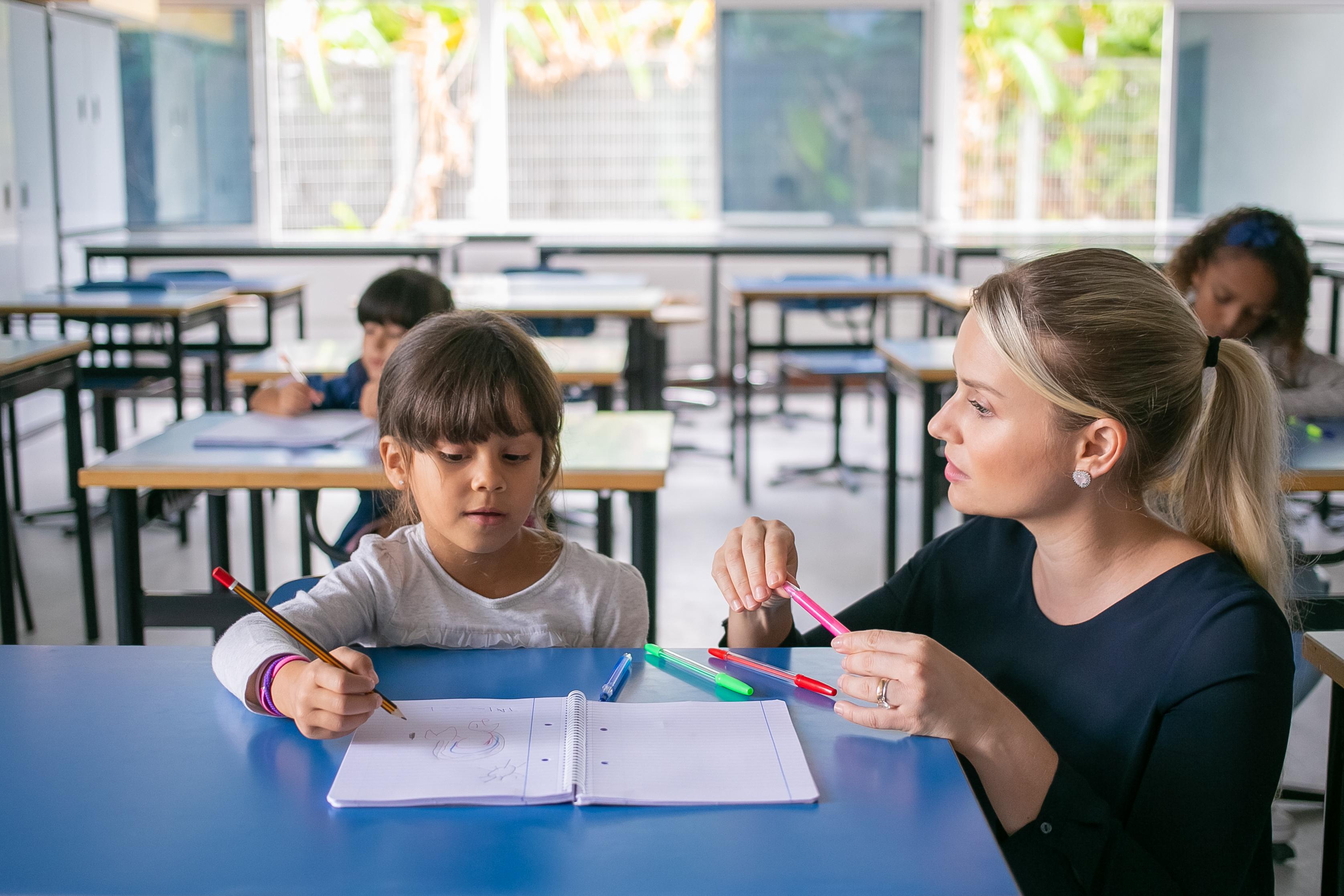
A young boy sits near his front door every single morning, clutching a worn notebook. Outside, neighborhood kids rush past in clean blue uniforms, laughing on their way to school. He wants so badly to join them. But steep stairs, high curbs, and a total lack of ramps keep him stuck inside. Across countless towns, millions of young minds face this same frustrating reality every day. They have big dreams, sharp curiosity, and endless potential. Yet, physical and social walls keep them hidden away from classrooms.
Building inclusive learning spaces is not just a nice gesture. It is a fundamental matter of human dignity and basic rights. Supporting children with disabilities requires dismantling physical obstacles, training local teachers, and providing adaptive tools so every single child gets a fair chance to learn. Organizations such as Ghazali Foundation can contribute to this broader mission by supporting accessible and inclusive educational opportunities.
Exploring The Deep Barriers Standing In The Way
The hurdles facing special needs youth are rarely simple. In underfunded areas, basic school infrastructure presents an immediate brick wall for families. Most village campuses lack simple concrete ramps, wide doors, or wheelchair-accessible toilets.
When a physical building has steep stairs and broken gravel pathways, a child using leg braces or a wheelchair simply cannot attend class independently.
Stigma and a lack of awareness add another heavy layer of difficulty for parents. Families often keep special needs kids at home out of fear of public discrimination or because they assume local schools cannot support their needs.
Furthermore, general classroom teachers rarely receive specialized training in adaptive learning methods. Trying to teach a student with hearing loss or visual impairment without adapted tools creates frustration for everyone involved. Addressing the challenges surrounding disabled children in Pakistan requires practical, ground-level solutions that combine physical accessibility with specialized teacher training.
How Community Initiatives Create Real Classroom Access
When public budgets fall short in remote districts, community-driven social organizations step in to build inclusive learning environments. Collaborating with local support networks helps villages bridge the massive gap between exclusion and full participation. These groups supply wheelchairs, hearing aids, braille materials, and custom learning kits that allow children to study effectively.
Field teams work directly with village elders and parents to break down social stigma from the inside out. When local communities see a child with special needs excel at math or reading, mindsets change permanently.
Key Actions That Transform Inclusive Classrooms
-
Physical Adaptations: Installing smooth concrete ramps, wider doorways, and accessible handrails in existing village schools.
-
Specialized Teacher Mentorship: Training local educators in basic sign language, adaptive teaching strategies, and inclusive classroom management.
-
Assistive Tech Distribution: Providing customized wheelchairs, orthopedic braces, and audio learning devices directly to rural families.
-
Parental Support Networks: Hosting regular counseling sessions that help parents actively support their children's learning journey at home.
Why Direct Philanthropy Drives Generational Impact
Creating a truly inclusive society requires a multi-layered strategy that addresses both academic and physical well-being. When individuals choose to donate to disabled children, they fund the exact tools, medical checks, and classroom modifications needed to keep kids in school. Combining academic lessons with health assessments strengthens overall child development and builds self-reliance.
|
Support Dimension |
Traditional Approach |
Inclusive Model |
|
Physical Access |
Stairs and narrow doors |
Smooth ramps and wider entryways |
|
Learning Tools |
Standard printed books only |
Adaptive kits, audio aids, and tactile tools |
|
Teacher Training |
One-size-fits-all lectures |
Inclusive methods tailored to individual needs |
|
Community Role |
Passive observation |
Active local committees driving inclusion |
Inclusive education becomes especially powerful when schools, families, communities, and organizations work together. When a child receives a sturdy wheelchair or a fitted hearing aid, their confidence can grow. They can stop feeling like a burden and begin seeing themselves as active, capable students.
Empowering Special Needs Youth For A Brighter Tomorrow
Real social progress occurs when no child is left hidden in the shadows. Providing accessible classrooms, specialized equipment, and trained local mentors honors the intrinsic value of every human life. Every young person who masters a new skill or earns a diploma represents a major victory over despair and social isolation.
When people donate, they invest directly in human dignity and equal opportunity. Supporting children with disabilities and creating better spaces for disabled children breaks the painful cycle of dependency. By backing accessible infrastructure, modern teacher training, and assistive health devices, we can rewrite the narrative for special needs youth. Let us continue pushing forward until every child, regardless of physical ability, has a safe seat in a classroom where they can learn, grow, and thrive.
Frequently Asked Questions
Why are physical ramps and accessible restrooms so critical for rural schools?
Simple physical infrastructure modifications like ramps and wide restroom doors remove immediate physical barriers for children with mobility challenges. Without these basic facilities, students with disabilities struggle to attend class independently, which often leads to early dropouts.
How do community field teams help reduce social stigma around disability?
Field teams host neighborhood workshops, meet with village leaders, and share success stories of thriving special needs students. Demonstrating what children can achieve with proper support changes community mindsets and encourages parents to enroll their kids in school.
What adaptive learning tools are most effective for rural classrooms?
Tactile learning kits, audio books, large-print materials, and simple visual aids work exceptionally well in resource-limited settings. These low-cost tools allow teachers to engage students with visual, hearing, or learning difficulties effectively.
How does training local teachers benefit special needs students in remote areas?
When local educators learn inclusive teaching strategies, they can tailor their daily lessons to match different learning paces and physical needs. This creates a supportive, welcoming environment where students feel understood and motivated.
Can individual donations help provide assistive devices to rural children?
Yes, individual contributions go directly toward purchasing durable wheelchairs, orthopedic braces, hearing aids, and specialized learning kits. These devices can transform a child's daily life, allowing them to travel to school and participate fully in class.
 Spanish
 English
 Arabic
 French
 Portuguese
 Deutsch
 Turkish
 Dutch
Dutch
 Italiano
 Russian
 Romaian
 Portuguese (Brazil)
 Greek
Greek