


How Weather Can Affect Your Moving Day Plans
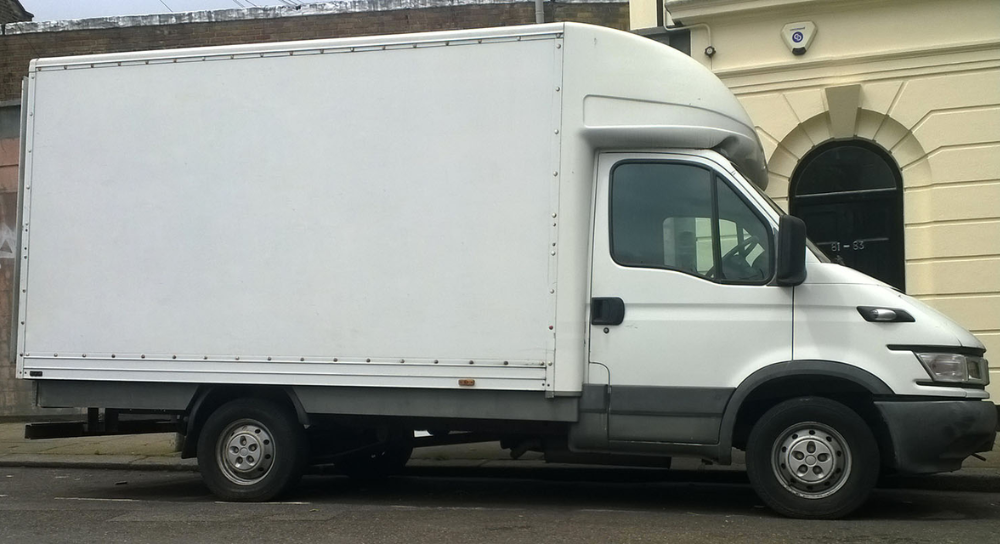
Moving day is often carefully planned weeks or even months in advance, but one factor that remains beyond your control is the weather. Rain, snow, strong winds, extreme heat, or icy conditions can quickly turn a well-organized move into a stressful experience. While you can't predict every weather change, understanding how different weather conditions affect your relocation can help you prepare and minimize disruptions.
Whether you're moving across town or to a new city, taking weather into account is an essential part of successful planning. With the right preparation and the support of experienced movers, your belongings can stay protected regardless of the forecast.
Why Weather Matters During a House Move
Weather impacts nearly every stage of the moving process. It can affect loading times, transportation safety, packing methods, and even the condition of your furniture and personal belongings.
For example, wet weather increases the risk of slips and falls while carrying heavy furniture. High temperatures can make physical work more exhausting, while freezing conditions may create dangerous icy pathways. Professional movers often adjust their approach based on the weather to ensure the move remains as safe and efficient as possible.
Planning ahead allows you to respond quickly if conditions change unexpectedly.
Moving During Rain
Rain is one of the most common weather challenges people face on moving day. Even light showers can lead to wet boxes, muddy floors, and slippery driveways.
To protect your belongings during rainy weather:
-
Use waterproof plastic bins for valuable items.
-
Wrap mattresses and upholstered furniture in protective covers.
-
Place electronics in sealed plastic bags before boxing them.
-
Keep towels available to dry furniture before loading.
-
Lay protective floor coverings inside both properties.
It is also helpful to create a covered loading area whenever possible, such as using a garage or temporary canopy to reduce exposure to rain while carrying items outside.
Strong Winds Can Create Unexpected Risks
Windy conditions are often underestimated during a move. Gusts can make carrying large furniture, mattresses, and lightweight boxes much more difficult.
Strong winds may also:
-
Blow open vehicle doors.
-
Damage unsecured furniture.
-
Increase the risk of dropping fragile items.
-
Scatter packing materials around the property.
Before loading begins, secure loose items and ensure all boxes are fully sealed. Furniture should be wrapped securely to prevent blankets or protective covers from coming loose during transport.
Challenges of Moving in Hot Weather
Summer is one of the busiest moving seasons, but high temperatures create their own set of challenges.
Heat can affect both people and possessions. Electronics, candles, cosmetics, artwork, and certain household chemicals may become damaged if left inside a hot moving truck for extended periods.
If you're moving during warm weather:
-
Begin early in the morning.
-
Stay hydrated throughout the day.
-
Wear lightweight clothing.
-
Take regular breaks.
-
Keep temperature-sensitive items with you in an air-conditioned vehicle.
Pets and young children should also remain in cool environments while the move is taking place to avoid heat-related illnesses.
Snow and Ice Increase Safety Concerns
Winter moves require additional planning because snow and ice create hazardous conditions.
Slippery pathways make carrying heavy furniture much more dangerous. Vehicles also require longer stopping distances, and poor visibility can delay travel times.
Before movers arrive:
-
Clear snow from driveways and walkways.
-
Spread salt or grit on icy surfaces.
-
Remove obstacles from entrances.
-
Ensure outdoor lighting is working properly.
Allow extra travel time and remain flexible if severe winter weather causes unavoidable delays.
Protecting Electronics and Fragile Items
Weather fluctuations can affect sensitive household items during transportation.
Cold temperatures may cause condensation inside electronic devices once they are brought indoors, while excessive heat can damage batteries and internal components.
To reduce these risks:
-
Use high-quality protective packing materials.
-
Avoid exposing electronics to direct sunlight.
-
Allow devices to reach room temperature before switching them on after a winter move.
-
Clearly label boxes containing fragile items.
Glassware, artwork, musical instruments, and antiques also benefit from additional protective wrapping during extreme weather conditions.
Check the Weather Forecast Before Moving Day
Monitoring the weather forecast several days before your move provides valuable time to adjust your plans if necessary.
Pay attention to:
-
Heavy rain warnings
-
High wind advisories
-
Snow or ice alerts
-
Extreme heat warnings
-
Flood notifications
Even if conditions appear manageable, having a backup plan gives you greater flexibility should the forecast worsen.
Prepare an Emergency Moving Kit
Unexpected weather delays can leave you without access to essential items for several hours.
Pack an easily accessible bag containing:
-
Drinking water
-
Snacks
-
Phone chargers
-
Medications
-
Important documents
-
Spare clothing
-
Cleaning cloths
-
Basic tools
-
Waterproof footwear
Having these essentials close at hand reduces stress if your move takes longer than expected.
Why Professional Movers Make a Difference
Adverse weather conditions highlight the importance of hiring experienced moving professionals. Skilled movers know how to adapt their procedures based on changing weather while protecting both your belongings and your property.
Choosing a reliable removal company peterborough means your furniture and household items are handled using professional packing materials, protective blankets, secure loading techniques, and properly equipped vehicles. Experienced removal teams understand how to work safely in rain, wind, snow, or heat, reducing the risk of damage throughout the relocation process.
Their local knowledge also helps them identify alternative routes or adjust schedules when severe weather affects traffic conditions.
Flexible Planning Reduces Stress
While moving dates are often fixed, maintaining some flexibility can help if severe weather is forecast.
If possible:
-
Confirm your mover's weather policy.
-
Keep communication open with everyone involved.
-
Allow additional time for loading and unloading.
-
Be prepared for minor schedule adjustments.
A little flexibility can make the entire moving experience much smoother and safer.
Final Thoughts
Weather is one of the few aspects of moving that cannot be controlled, but it can be managed with careful planning and preparation. Whether you're facing heavy rain, strong winds, extreme temperatures, or winter conditions, taking preventative measures will help protect your belongings and reduce unnecessary stress.
Preparing appropriate packing materials, monitoring weather forecasts, and working with experienced moving professionals all contribute to a successful relocation. By planning for the unexpected and staying adaptable, you can ensure your moving day remains safe, organized, and as stress-free as possible whatever the weather has in store.
 Romaian
 English
 Arabic
 French
 Spanish
 Portuguese
 Deutsch
 Turkish
 Dutch
Dutch
 Italiano
 Russian
 Portuguese (Brazil)
 Greek
Greek