


Can Lymphatic Drainage Massage Support Post-Surgery Recovery?
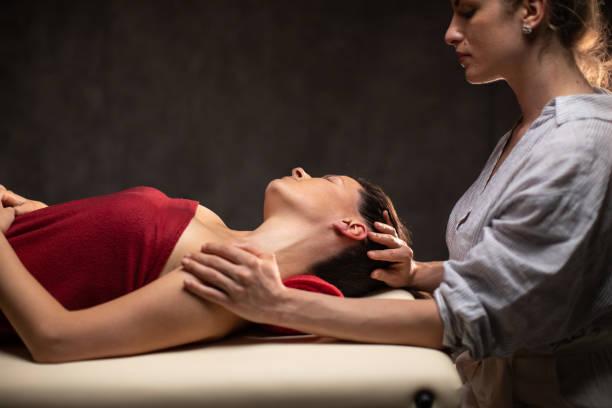
Recovery after surgery involves a series of natural healing processes, and temporary swelling, tightness, and fluid accumulation can occur as tissues repair themselves. Because the lymphatic system helps regulate tissue fluid, Lymphatic drainage massage in Riyadh (التدليك اللمفاوي في الرياض) may be included in selected post-surgery recovery plans to support fluid movement and comfort. However, lymphatic drainage is not appropriate immediately after every procedure, and the timing, technique, and treatment area should always be determined according to the type of surgery and the patient's healing progress.
How Does Surgery Affect the Lymphatic System?
Surgical procedures can temporarily affect tissues, blood vessels, and lymphatic pathways. As the body responds to surgical trauma, inflammation and fluid accumulation may occur around the treated area. The lymphatic system gradually helps transport excess tissue fluid, but this process can take time depending on the procedure and individual healing response.
Why Does Post-Surgical Swelling Occur?
Swelling is a normal part of many recovery processes. The body's inflammatory response sends fluid and immune cells toward areas that need repair. As healing progresses, this swelling generally changes over time. The amount and duration can vary depending on the procedure, the treatment area, and the individual's health.
What Role Can Lymphatic Drainage Play?
When approved by the treating healthcare professional, gentle lymphatic techniques may complement the body's natural fluid-management processes. The goal is to encourage appropriate lymph movement without placing unnecessary pressure on healing tissues.
Can Lymphatic Drainage Help After Surgery?
In selected cases, lymphatic drainage may support postoperative recovery by helping manage certain types of swelling and promoting comfort. It may be considered after some cosmetic and surgical procedures when the surgeon determines that the patient's tissues have healed sufficiently for massage.
Supporting Fluid Movement
Lymphatic drainage uses light, rhythmic movements that are directed along appropriate lymphatic pathways. Because lymphatic vessels are relatively superficial, strong pressure is generally unnecessary. The technique is intended to support fluid movement rather than force fluid through healing tissues.
Improving Comfort
Postoperative swelling can create feelings of heaviness, tightness, or discomfort. When appropriate, gentle lymphatic care may help some patients feel more comfortable during recovery. Individual responses can vary, and treatment should never be used to mask symptoms that require medical attention.
When Can Lymphatic Drainage Begin After Surgery?
There is no universal day or week when lymphatic drainage is safe for everyone. The appropriate timing depends on the procedure, incision sites, healing progress, medical history, and instructions from the treating surgeon.
Follow Your Surgeon's Instructions
Some procedures may allow gentle lymphatic care relatively early, while others require a longer healing period before massage is considered. Patients should not begin treatment based solely on a general timeline found online. Clearance from the treating professional is particularly important when incisions, drains, wounds, or other healing tissues are present.
What Happens During Post-Surgery Lymphatic Massage?
A professional session generally uses very gentle movements and is adapted to the patient's recovery stage. The practitioner considers the surgical area, surrounding tissues, current swelling, and any medical restrictions before determining an appropriate approach.
Light and Controlled Movements
The technique differs from deep-tissue massage. Excessive pressure may be unsuitable for healing tissues, so trained practitioners use controlled movements that are intended to support superficial lymphatic flow.
Treatment May Be Adjusted
The treated areas and intensity can change as recovery progresses. A session performed during the early healing period may differ from one performed later in recovery. Communication between the patient, surgeon, and practitioner can help ensure that treatment remains appropriate.
Which Surgeries May Involve Postoperative Lymphatic Care?
Lymphatic techniques are sometimes considered as part of recovery plans following selected cosmetic procedures and surgeries where swelling or fluid accumulation is expected. Examples may include certain body-contouring procedures, but suitability depends on the individual case rather than the procedure name alone.
Personalized Recovery Is Important
Two people undergoing the same procedure can have different healing patterns. Factors such as general health, tissue response, activity level, surgical technique, and postoperative complications can influence recovery. Lymphatic drainage should therefore be personalized rather than treated as a standard requirement.
What Are the Potential Benefits?
When medically appropriate, postoperative lymphatic drainage may help support fluid movement and provide temporary relief from feelings of swelling or heaviness. It may also complement other recovery measures recommended by the healthcare team.
It Is Supportive, Not a Replacement
Lymphatic massage does not replace prescribed medication, wound care, follow-up appointments, compression garments, physical activity instructions, or other postoperative recommendations. These measures should continue according to the treating healthcare professional's guidance.
When Should Massage Be Avoided?
Massage may be unsuitable when there is an active infection, an open or poorly healing wound, certain blood-clotting concerns, significant unexplained swelling, or other medical complications. The exact restrictions depend on the individual's condition and procedure.
Watch for Warning Signs
Increasing rather than improving swelling, severe or worsening pain, redness, warmth, fever, unusual drainage, sudden shortness of breath, or other concerning symptoms should be reported to the appropriate healthcare professional. These symptoms should not be managed solely through massage.
How Long Is Post-Surgery Lymphatic Care Needed?
The duration and frequency of treatment vary from person to person. Some patients may receive limited supportive sessions, while others may require a longer recovery plan based on persistent swelling or lymphatic concerns.
Recovery Changes Over Time
As inflammation decreases and tissues heal, the need for supportive lymphatic care may change. The treatment plan should therefore be reviewed according to progress rather than following a fixed schedule for everyone.
Book a Consultation at Royal Clinic Saudia
If you are recovering from surgery and want to know whether lymphatic drainage may be appropriate, professional guidance can help you understand the safest approach for your recovery stage. Lymphatic drainage massage in Riyadh may support postoperative fluid movement when recommended by the treating healthcare team. Contact Royal Clinic Saudia (عيادات رويال كلينك) to discuss your recovery needs and arrange a consultation.
FAQs:
Is lymphatic drainage massage safe after surgery?
It can be appropriate after certain procedures, but safety depends on the type of surgery, healing progress, and individual medical circumstances. Surgeon approval is important.
How soon after surgery can I have lymphatic drainage?
There is no universal timeline. Your surgeon or healthcare professional should determine when massage is appropriate based on your procedure and recovery.
Can lymphatic drainage reduce postoperative swelling?
It may support the movement of certain types of tissue fluid and help with feelings of swelling or heaviness when appropriately used during recovery.
Can lymphatic drainage replace postoperative care?
No. It is a supportive therapy and should not replace wound care, prescribed treatments, follow-up appointments, or other instructions from your healthcare team.
 Spanish
 English
 Arabic
 French
 Portuguese
 Deutsch
 Turkish
 Dutch
Dutch
 Italiano
 Russian
 Romaian
 Portuguese (Brazil)
 Greek
Greek