


Lipoma Treatment for Neck, Back, and Shoulder Areas: A Complete Guide
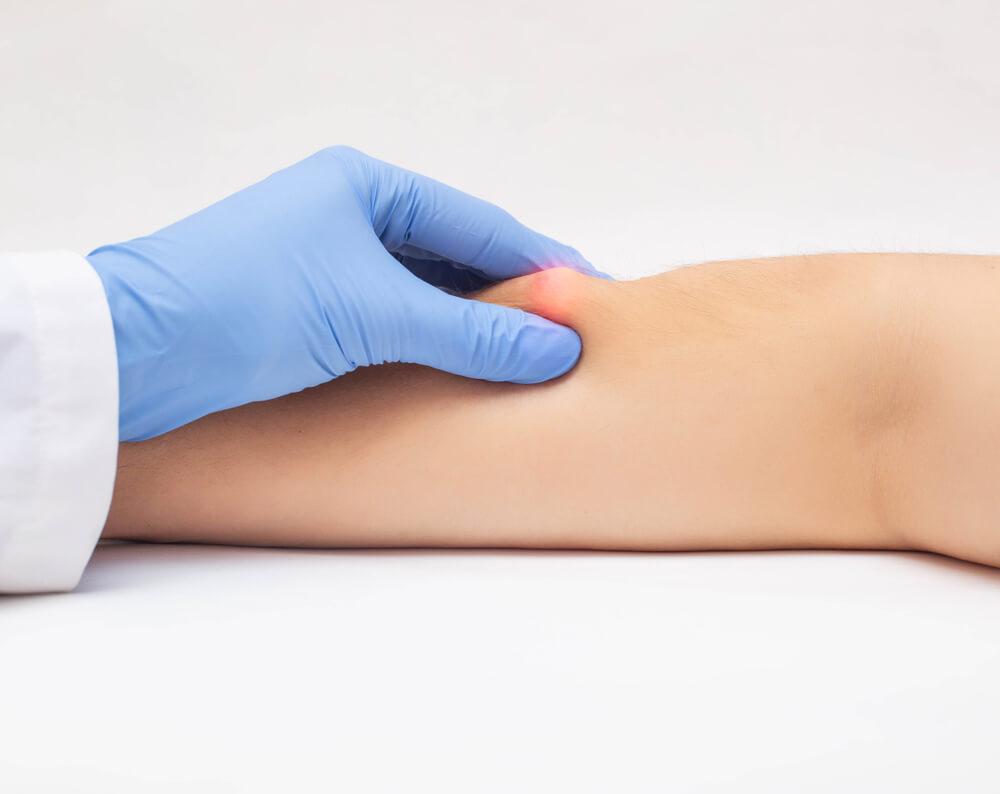
Lipomas can develop in various parts of the body, but they are commonly found in areas such as the neck, back, and shoulders where fatty tissue is present beneath the skin. Individuals seeking Lipoma Removal Riyadh often want to understand the available treatment options, safety considerations, and expected results before making a decision. A lipoma is a soft, movable, non-cancerous lump made of fat cells that typically grows slowly. While many lipomas are harmless and do not require immediate treatment, those located in visible areas or places affected by pressure and movement may cause discomfort or cosmetic concerns. Understanding how lipomas are treated in these specific areas helps patients choose the most suitable approach with professional guidance.
Common reasons patients consider treatment include:
- Discomfort caused by pressure or friction
- Visible lumps affecting appearance
- Difficulty with movement in certain cases
- Increase in size over time
- Concerns about diagnosis or changes in the lump
Why Lipomas Commonly Appear on the Neck, Back, and Shoulders:
The neck, back, and shoulder regions contain a significant amount of fatty tissue, making them common locations for lipoma development. These areas also experience frequent movement and pressure, which can make larger lipomas more noticeable or uncomfortable. A neck lipoma may become concerning because of its visible position, while back and shoulder lipomas may cause discomfort when lying down, wearing clothing, or carrying items. Although the exact cause of lipoma formation is not always clear, genetics and individual tissue characteristics may contribute to their development. A medical evaluation helps determine whether the growth is a typical lipoma and whether treatment is necessary.
Factors associated with lipoma development may include:
- Family history of lipomas
- Natural growth of fat cells beneath the skin
- Age-related tissue changes
- Genetic tendencies
- Individual differences in fat distribution
Diagnosing Lipomas in These Sensitive Areas:
Proper diagnosis is an important step before beginning any treatment, especially for lipomas located around the neck, back, and shoulders. A healthcare provider usually begins with a physical examination to assess the size, texture, and movement of the lump. In some cases, imaging tests may be recommended to understand the depth and structure of the growth. This is particularly important in areas like the neck, where important nerves and structures are located. Accurate diagnosis ensures that the recommended treatment approach is safe and appropriate for the specific location.
The diagnostic process may involve:
- Physical examination of the lump
- Review of symptoms and medical history
- Imaging tests when necessary
- Evaluation of growth changes
- Confirmation that the lump is a benign lipoma
Treatment Options for Neck Lipomas:
Treating a lipoma on the neck requires careful consideration because of the area’s anatomy and cosmetic importance. Small, painless neck lipomas may sometimes be monitored if they do not cause concerns. However, removal may be recommended when the lump becomes noticeable, uncomfortable, or continues to grow. Surgical excision is commonly used because it allows complete removal of the fatty tissue while providing the opportunity for careful control around sensitive structures. The healthcare provider considers factors such as size, depth, and location before selecting the most suitable technique.
Neck lipoma treatment options may include:
- Surgical removal for complete extraction
- Minimally invasive approaches for suitable cases
- Observation for small and symptom-free lipomas
- Personalized treatment planning based on evaluation
Treatment Approaches for Back and Shoulder Lipomas:
Lipomas on the back and shoulders are among the most frequently treated because these areas can experience pressure from clothing, chairs, or sleeping positions. Larger growths in these locations may become uncomfortable and may interfere with daily activities. Treatment is usually focused on removing the lipoma while minimizing discomfort and supporting proper healing. Surgical removal is often preferred for larger back or shoulder lipomas because it provides direct access to the growth. Recovery requirements depend on the size of the lipoma and the complexity of the procedure.
Important considerations for back and shoulder lipomas include:
- Size and depth of the fatty growth
- Impact on daily comfort
- Location near muscles or soft tissues
- Cosmetic concerns
- Recovery time after removal
Surgical Lipoma Removal and What Patients Should Expect:
Surgical excision remains one of the most reliable methods for treating lipomas in the neck, back, and shoulder areas. During the procedure, the healthcare provider makes a controlled incision and removes the lipoma from surrounding tissues. The technique allows the entire growth to be extracted, which can reduce the chance of recurrence in the treated area. The procedure is typically performed using appropriate anesthesia, and patients receive aftercare instructions to support healing. The exact recovery period varies depending on the location and size of the removed lipoma.
Patients can expect:
- Consultation before the procedure
- Preparation instructions from the healthcare provider
- Removal of the lipoma through a planned technique
- Post-treatment wound care guidance
- Follow-up assessment during recovery
Minimally Invasive Options for Suitable Lipoma Cases:
Advancements in treatment techniques have created minimally invasive options for selected lipoma cases. These approaches may involve smaller incisions and reduced disruption to surrounding tissues. They can be beneficial for patients who are concerned about visible marks or want a potentially shorter recovery period. However, not every lipoma is suitable for minimally invasive treatment. The size, location, and structure of the growth determine whether this approach is appropriate. A healthcare provider can recommend the best option after evaluating the individual case.
Potential benefits of minimally invasive methods include:
- Smaller treatment areas
- Reduced scarring in suitable cases
- Faster return to regular activities
- Less tissue disruption
- Improved cosmetic considerations
Recovery After Neck, Back, and Shoulder Lipoma Treatment:
Recovery after lipoma treatment varies depending on the procedure used and the patient’s healing response. Since the neck, back, and shoulder areas experience frequent movement, following aftercare instructions is especially important. Patients may experience mild swelling, tenderness, or bruising after removal, but these effects usually improve during healing. Protecting the treated area and attending follow-up appointments can support a smooth recovery process.
Recovery recommendations may include:
- Keeping the treatment area clean
- Following wound care instructions
- Avoiding excessive strain during healing
- Taking medications as directed
- Monitoring for unusual symptoms
Choosing the Right Lipoma Treatment Approach:
Selecting the best treatment option requires considering both medical and personal factors. Every lipoma is different, and the ideal approach depends on its location, size, symptoms, and impact on the patient’s quality of life. Professional consultation allows patients to understand the available choices and select a method that balances effectiveness, safety, and cosmetic outcomes. Making an informed decision helps ensure better satisfaction and a smoother treatment experience.
Factors to consider when choosing treatment include:
- The experience of the healthcare provider
- The recommended procedure
- Expected recovery timeline
- Potential risks and benefits
- Personal comfort and treatment goals
Final Thoughts
Lipomas in the neck, back, and shoulder areas can be effectively managed with proper evaluation and appropriate treatment planning. While many lipomas are harmless, removal may be beneficial when they cause discomfort, cosmetic concerns, or functional issues. Individuals considering Lipoma Removal Riyadh should seek professional guidance to understand their options and choose a treatment approach suited to their specific needs. With accurate diagnosis, advanced techniques, and proper aftercare, patients can achieve safe and effective results while improving comfort and confidence.
 Romaian
 English
 Arabic
 French
 Spanish
 Portuguese
 Deutsch
 Turkish
 Dutch
Dutch
 Italiano
 Russian
 Portuguese (Brazil)
 Greek
Greek