


Snap 8 Peptide: Uses, Results, and What Research Shows
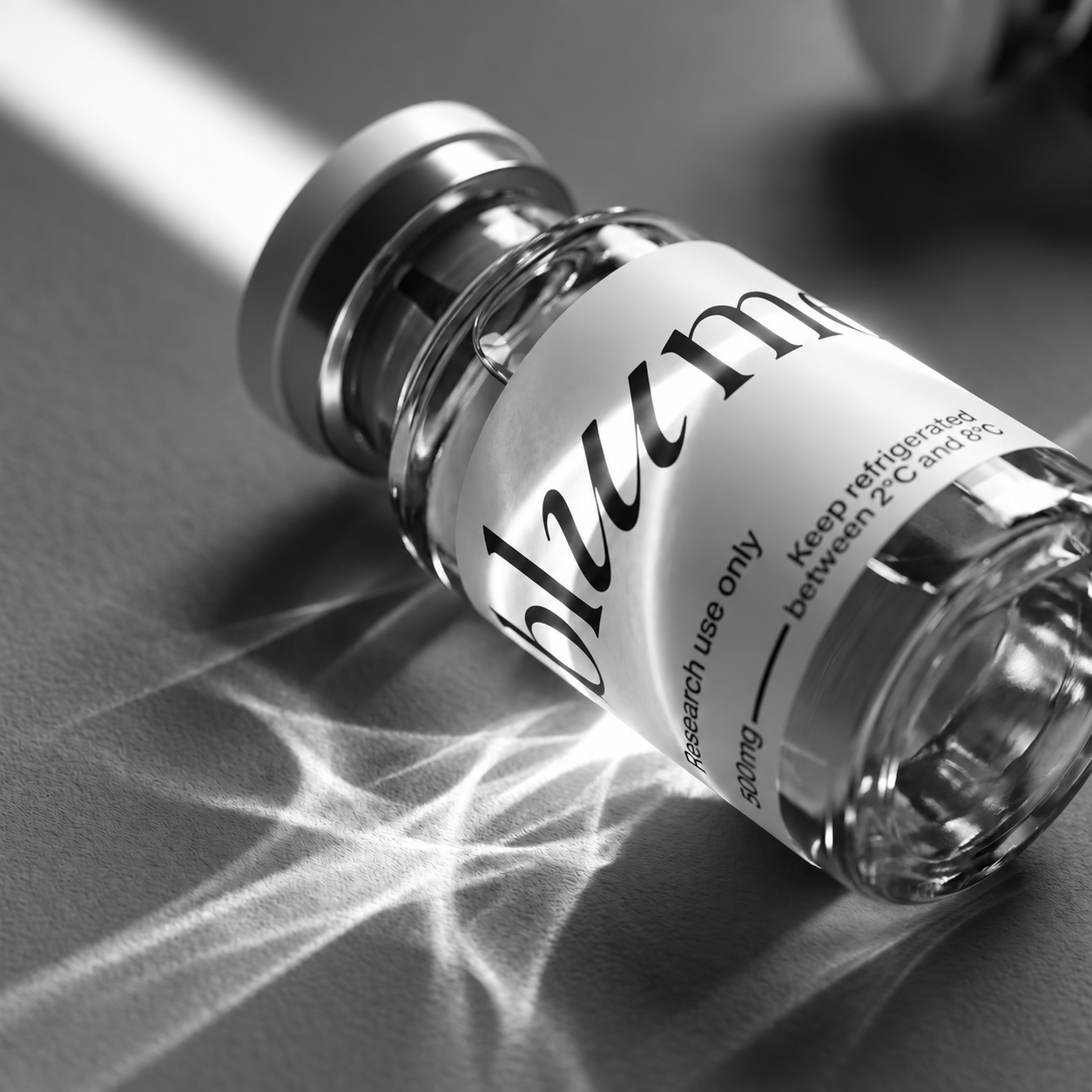
The snap 8 peptide is a synthetic cosmetic peptide commonly identified by the ingredient name Acetyl Octapeptide-3. It contains eight amino acids and was developed as an extended relative of Argireline, another peptide frequently used in anti-aging skincare. Its primary area of interest is the appearance of expression-related lines, particularly those associated with repeated facial movements. Unlike prescription neuromodulators, SNAP-8 is primarily formulated for topical cosmetic use and should not be considered an equivalent medical treatment.
Interest in the snap 8 peptide comes largely from its proposed relationship with SNAP-25 and the SNARE protein complex. These proteins are involved in the cellular processes responsible for neurotransmitter release and communication between nerves and muscles. Researchers have explored whether influencing this pathway could reduce the intensity of repeated facial muscle activity. However, a plausible biochemical mechanism does not automatically prove that a topical skincare product will produce the same effect in living human skin.
How Does SNAP-8 Work?
The proposed mechanism of the snap 8 peptide is connected to the way SNAP-25 participates in the SNARE complex. This complex helps nerve cells release chemical signals that contribute to communication with muscle tissue. SNAP-8 was designed to resemble part of SNAP-25 and may compete with the naturally occurring protein during complex formation. The theory is that this could reduce the efficiency of neurotransmitter release and potentially lessen repetitive muscle activity associated with facial expressions.
This mechanism is often compared with the biological pathway affected by botulinum toxin, but the two should not be treated as the same. Botulinum toxin is a medical treatment that produces a much stronger and well-characterized effect through enzymatic activity, while SNAP-8 is a topical cosmetic peptide with a different proposed action. The distinction is important because cosmetic marketing can sometimes make peptide products sound more powerful than the available evidence supports. Current research does not establish SNAP-8 as a topical substitute for injectable medical neuromodulators.
Common Uses of SNAP-8 in Skincare
The most common use of the snap 8 peptide is in cosmetic products designed to improve the visible appearance of fine lines and expression wrinkles. These may include products intended for the forehead, area between the eyebrows, and outer eye region. The concept is particularly relevant to dynamic lines, which become more noticeable through repeated facial movement. SNAP-8 is therefore generally positioned differently from ingredients that primarily focus on hydration, exfoliation, pigmentation, or general skin barrier support.
SNAP-8 may also appear in formulations containing several complementary skincare ingredients. A serum or cream could combine peptides with moisturizing agents, antioxidants, botanical ingredients, or other compounds intended to improve skin texture. When a finished product produces a visible improvement, however, it is not always possible to determine which ingredient produced the effect. Formulation quality, concentration, stability, delivery technology, and consistent application can all influence cosmetic results, making ingredient-specific claims difficult to interpret without controlled research.
What Results Does the Research Show?
Research on the snap 8 peptide provides an interesting scientific rationale, but the strength of the evidence should be interpreted carefully. Laboratory research supports investigation of the peptide's interaction with pathways associated with neurotransmitter release, while cosmetic testing has explored changes in the appearance of wrinkles. These types of evidence are useful but answer different questions. Laboratory activity cannot by itself demonstrate that a topical product will deliver enough peptide to the intended biological target to create a meaningful effect in people.
Another important consideration is that human research involving SNAP-8 has generally been limited compared with the amount of promotional material surrounding the ingredient. Some studies have examined finished formulations containing multiple active ingredients or specialized delivery systems rather than testing SNAP-8 as an isolated ingredient. When several compounds are used together, improvements cannot confidently be attributed to one peptide. This is why precise claims about dramatic wrinkle reductions should be considered cautiously unless supported by large, independent, well-controlled clinical trials.
Understanding Verified Peptides and Product Quality
The term verified peptides can be useful when evaluating the quality of peptide materials, but verification should always be understood in context. A credible quality-control process may include confirming the identity, purity, concentration, and consistency of a material through appropriate analytical techniques. Documentation such as batch-specific testing can provide valuable information about what a product contains. However, analytical purity alone does not demonstrate that a peptide is clinically effective, nor does it establish that every intended cosmetic benefit has been proven.
For consumers and formulators, transparency is therefore an important part of responsible peptide evaluation. Clear ingredient identification, appropriate manufacturing standards, stability information, and reliable quality-control documentation are useful indicators. It is also important to distinguish between a finished cosmetic product and a research-grade peptide material. A substance intended for laboratory research should not automatically be assumed to be appropriate for personal application, particularly when its safety and effectiveness have not been established for a particular route of administration.
Safety and Limitations to Consider
Topical SNAP-8 is generally discussed within the cosmetic skincare category, but its long-term evidence base is not as extensive as that of many established dermatological ingredients. Individual reactions can vary depending on the complete formulation, concentration, preservatives, fragrances, and other ingredients present in a product. Anyone with sensitive skin should consider the full ingredient list rather than assuming that the presence of a peptide guarantees that a product will be irritation-free. Responsible use also means following the intended directions for the specific cosmetic formulation.
Another major limitation is skin penetration. The biological targets discussed in connection with SNAP-8 are located deeper than the outer surface of the skin, while topical products must first pass through the skin barrier. Peptides can face challenges related to molecular size, stability, and permeability. Specialized delivery systems may change how ingredients interact with the skin, but evidence from one delivery method should not automatically be applied to every serum or cream. This delivery question remains an important part of evaluating the real-world effectiveness of cosmetic neuropeptides.
What Should Consumers Take Away?
The snap 8 peptide is an interesting cosmetic ingredient with a scientifically plausible mechanism and a specific focus on the appearance of expression-related lines. Its connection with SNAP-25 and the SNARE complex helps explain why researchers have investigated it as a topical anti-aging peptide. At the same time, the available evidence should be separated from promotional claims. The strongest conclusions concern its chemical identity and proposed biological mechanism, while evidence for substantial independent clinical benefits remains comparatively limited.
For anyone researching verified peptides, the most useful approach is to look beyond attractive product descriptions and examine evidence quality, testing practices, formulation details, and intended use. A verified or highly pure peptide is not automatically a clinically proven ingredient, and a promising mechanism is not the same as demonstrated effectiveness. SNAP-8 may have a useful role in cosmetic skincare, but expectations should remain realistic. As independent research develops, better-designed human studies may provide clearer answers about its effectiveness, optimal formulations, long-term use, and practical benefits for visible signs of aging.
 Russian
 English
 Arabic
 French
 Spanish
 Portuguese
 Deutsch
 Turkish
 Dutch
Dutch
 Italiano
 Romaian
 Portuguese (Brazil)
 Greek
Greek