

Sideburn Hair Transplant in Dubai Procedure Guide
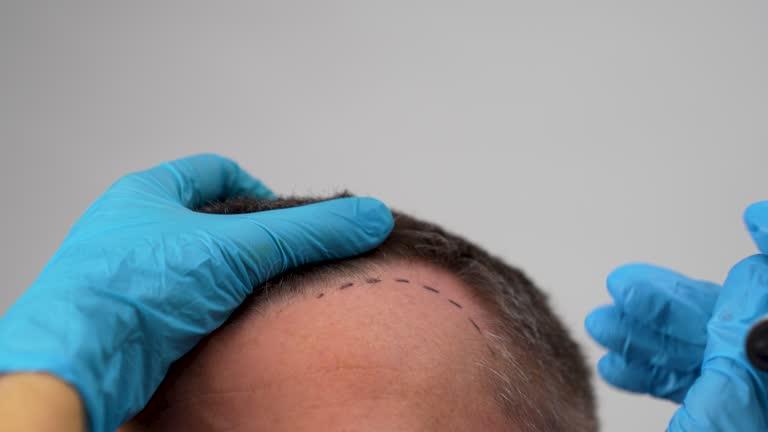
A Sideburn Hair Transplant in Dubai is a carefully planned facial hair restoration procedure that involves more than simply moving follicles into an empty area. The treatment typically begins with detailed design and donor assessment before progressing through preparation, follicular extraction, recipient-site creation, graft placement, and immediate post-procedure care.
Because the sideburn is located beside the ear and directly contributes to facial framing, precision is important at every stage.
The Procedure Starts With a Design Review
Before treatment begins, the planned sideburn shape is reviewed.
The surgeon assesses the existing hair, facial proportions, sideburn height, thickness, and the relationship between the sideburn and nearby temple or beard growth.
This is where aesthetic decisions are finalized rather than left to the middle of the procedure.
Sideburn Boundaries Are Carefully Considered
The visible outer boundary should complement the patient's natural anatomy. A design that is too broad, too narrow, too high, or too low can change the apparent proportions of the face.
The planned shape is therefore considered in relation to the patient's individual features.
The Donor Area Is Prepared
Once the design has been confirmed, attention shifts to the donor area.
For FUE-based procedures, suitable follicles are identified in an area where the hair characteristics are compatible with the intended facial restoration.
The donor region may be trimmed or prepared according to the planned extraction technique.
Preparation Helps With Accurate Follicle Extraction
A clear view of the donor follicles allows the surgical team to assess their direction and position more accurately.
This is particularly important because follicles are not arranged in a perfectly uniform grid beneath the skin.
Local Anesthesia Is Used for Comfort
Local anesthesia is administered to the treatment areas so that the procedure can be performed comfortably.
Patients may remain awake during the treatment. The exact anesthesia approach depends on the treatment plan and clinical assessment.
Once the relevant areas are adequately numbed, the surgical portion can begin.
Follicular Units Are Extracted Carefully
During an FUE approach, individual follicular units are removed from the donor area using a small extraction instrument.
The surgeon works with the natural direction of each follicle rather than treating the donor area as a flat surface.
Extraction Requires Controlled Angulation
Hair follicles grow beneath the skin at varying angles. Incorrect instrument positioning can increase the risk of damaging the follicular unit.
Controlled extraction is therefore essential for preserving usable grafts.
Extracted Grafts Are Examined and Sorted
Once follicles are removed, they are examined and organized according to their characteristics.
This can include the number of hairs within each unit, hair caliber, and overall suitability for the planned placement.
The sorting stage helps the surgeon determine which grafts are best suited to different parts of the sideburn.
The Recipient Area Is Prepared
Attention then moves to the sideburn itself.
The planned recipient sites are created according to the agreed design. These sites determine where each graft will sit within the skin.
Direction and Angle Are Planned Precisely
Sideburn hair does not simply grow vertically from the skin.
Its direction follows the surrounding facial anatomy, so recipient sites need to respect the existing pattern. Incorrect angulation can make newly growing hair appear separate from the rest of the facial hair.
Grafts Are Placed Into the Recipient Sites
The selected follicular units are then inserted into their prepared sites.
Placement follows the planned pattern, with particular attention to the outer border and the transition into existing facial hair.
Different Areas May Receive Different Graft Types
The edge may require finer units to create a gradual transition, while other areas may require appropriately selected follicles to provide additional visual fullness.
This controlled distribution is one of the reasons facial hair transplantation requires detailed planning.
The Two Sideburns May Not Receive Identical Placement
Natural faces are rarely perfectly symmetrical.
One sideburn may have more existing hair, a slightly different angle, or a different relationship with the temple and beard. The surgeon may therefore make small adjustments from one side to the other.
The goal is visual balance rather than mechanical duplication.
The Surgical Team Checks the Result Before Completion
After implantation, the treatment area is examined.
The surgeon may review the distribution of grafts, the sideburn boundaries, and the relationship between newly placed follicles and existing hair.
This final inspection helps confirm that the planned pattern has been followed.
Immediate Post-Procedure Care Begins at the Clinic
Before leaving, patients receive instructions for caring for the treated area.
These instructions can cover cleansing, touching or rubbing the area, sleeping position, physical activity, and other factors that may affect the newly implanted grafts.
The exact recommendations depend on the individual's procedure and clinical circumstances.
Clinic note: The visible sideburn may look different immediately after transplantation because of temporary redness, swelling, tiny crusts, or the presence of newly placed grafts. The early appearance should not be confused with the final hair-growth result.
The Procedure Is Planned Around Facial Anatomy
A sideburn transplant requires a different mindset from treating a large scalp area.
The surgeon has to work around the ear, temple, cheek, and existing facial hair while maintaining an appropriate relationship between the transplanted and natural regions.
This makes the procedure highly dependent on design accuracy and placement control.
What Makes the Procedure Different From a Scalp Transplant
Scalp transplantation often focuses on restoring coverage across a larger surface. Sideburn restoration usually involves a smaller but much more visually sensitive area.
The surgeon must consider:
- Facial symmetry
- Sideburn height
- Border softness
- Hair direction
- Existing facial hair
- Ear position
- Temple transition
- Hair caliber
- Skin visibility
Each factor can affect the final appearance.
The Procedure Is Only One Part of the Treatment
The surgical appointment is an important stage, but the final result develops gradually.
Newly transplanted follicles need time to settle and progress through the normal hair-growth cycle. Early changes such as temporary shedding or redness do not necessarily represent the final outcome.
Follow-up and appropriate aftercare remain important throughout the healing period.
Planning Sideburn Restoration in Dubai
For people considering Sideburn Hair Transplant in Dubai, the consultation is where the treatment becomes personalized. Rather than using a standard sideburn template, the surgeon can assess facial proportions, donor characteristics, existing facial hair, and the patient's desired appearance.
Tajmeels Clinic provides consultation-based planning for patients exploring facial hair restoration and individualized transplant options.
A detailed assessment can clarify whether transplantation is appropriate and how the sideburn design can be approached safely and naturally.
 Russian
 English
 Arabic
 French
 Spanish
 Portuguese
 Deutsch
 Turkish
 Dutch
Dutch
 Italiano
 Romaian
 Portuguese (Brazil)
 Greek
Greek