


Is Your Drinking Water Really Clean? Understanding the Science Behind Home Filtration
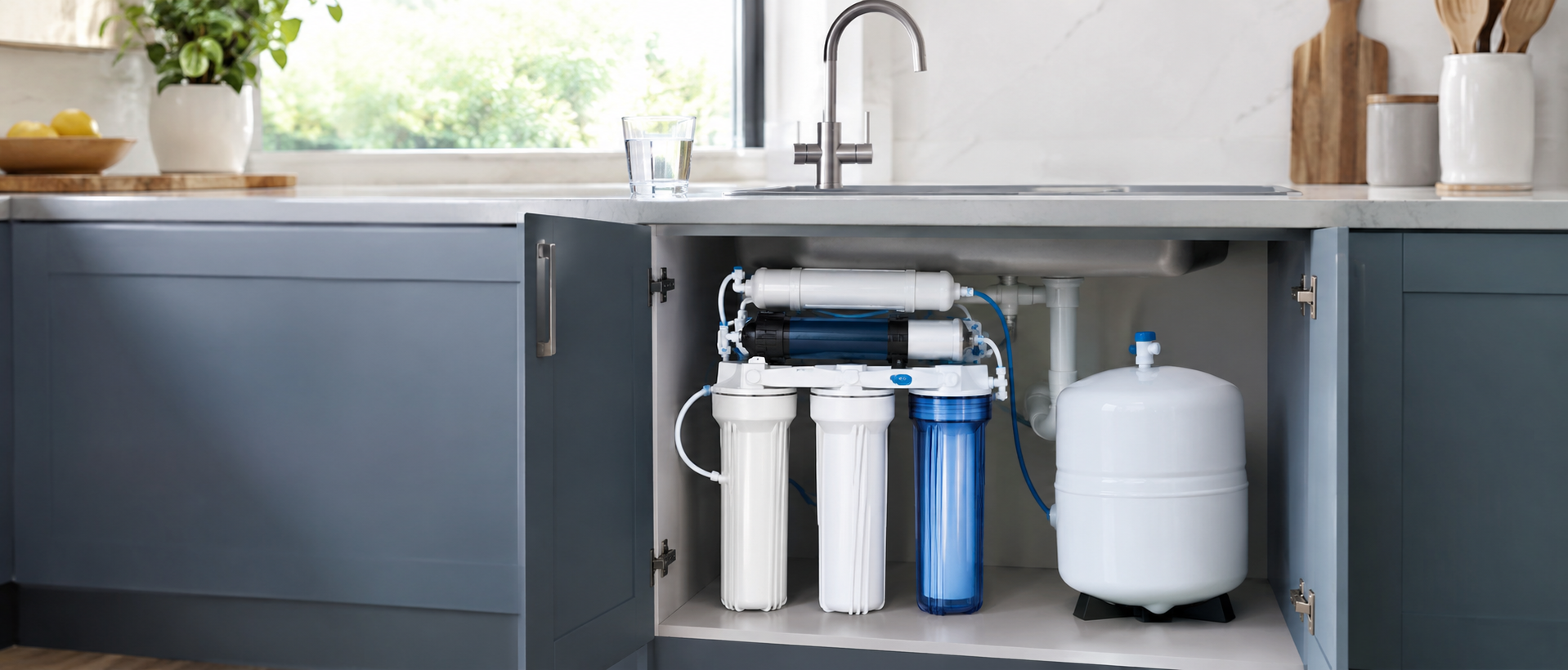
Reverse osmosis water filtration is one of the most effective ways to ensure clean, great testing drinking water directly from your tap. Many homeowners wonder if the purification process removes too many beneficial elements or if the water is fully safe for long term everyday consumption. Understanding how advanced filtration works helps clear up common misconceptions and allows you to make informed decisions regarding your household drinking water quality.
Water purification systems utilize specialized semipermeable membranes to filter out microscopic impurities, heavy metals, dissolved solids, and chemical compounds. When municipal or well water passes through these ultra fine filters, virtually all contaminants are trapped and rinsed away down the drain line. The result is exceptionally clean, clear water that meets or exceeds rigorous health and safety standards for daily consumption.
Understanding the Reverse Osmosis Water Purification Process
Reverse osmosis operates by forcing pressurized feed water through a semipermeable membrane that features microscopic pores measuring roughly 0.0001 microns in size. This membrane blocks virtually all dissolved inorganic solids, organic molecules, and physical contaminants while permitting clean water molecules to pass through cleanly.
The typical multi stage process begins with a sediment pre filter designed to catch larger particles like rust, silt, sand, and debris. Following sediment filtration, activated carbon blocks absorb chlorine, chloramines, bad odors, and volatile organic compounds that affect taste and safety.
Why Water Quality Deserves More Attention
Clean drinking water is essential for everyday health, cooking, and household activities. However, water that looks clear does not necessarily mean it is free from unwanted substances. Dissolved minerals, chlorine, sediment, and other contaminants may remain present even when water appears perfectly normal.
Many homeowners rely on municipal water supplies, assuming that treatment at the source guarantees quality at the tap. While public water treatment removes many harmful substances, water can still pick up contaminants as it travels through aging pipes, plumbing fixtures, and storage tanks.
Understanding what is present in household water is the first step toward choosing an appropriate filtration solution. Rather than purchasing equipment based on marketing claims, homeowners should consider their water source, local conditions, and specific filtration needs.
What Happens Inside a Reverse Osmosis System?
Reverse osmosis is a water purification process that uses pressure to push water through a semipermeable membrane. The membrane allows water molecules to pass while reducing many dissolved impurities and unwanted substances.
Unlike basic sediment filters, which primarily capture physical particles, reverse osmosis systems are designed to address a broader range of dissolved contaminants. Their effectiveness depends on membrane quality, water pressure, maintenance, and the characteristics of the incoming water.
A typical residential system includes several treatment stages:
- A sediment filter that captures sand, rust, and suspended particles.
- A carbon filter that reduces chlorine and certain compounds affecting taste and odor.
- A reverse osmosis membrane that reduces many dissolved substances.
- A final polishing filter that improves the taste of stored water.
Each stage performs a different function, making the complete filtration process more effective than relying on a single filter.
Choosing the Right System for Your Household
Not every home has the same water quality challenges. A household using municipal water may have different filtration requirements from a property relying on a private well.
Before selecting equipment, homeowners should consider water testing results, daily consumption, available installation space, and the number of people using the system. These factors help determine the appropriate capacity and filtration configuration.
A properly selected osmosis water system for home can provide an additional treatment barrier for drinking and cooking water. The right configuration depends on the contaminants identified in the water supply and the manufacturer's performance specifications.
Installation and Maintenance Matter
Even advanced filtration equipment requires regular care. Filters become less effective as they collect contaminants, while neglected membranes may experience reduced performance.
Homeowners should follow the manufacturer's replacement schedule and inspect the system for leaks, unusual noises, or changes in water flow. Periodic testing can also help confirm that the system continues to perform as expected.
Clarifying Common Myths About Demineralized Water Safety
A common concern regarding reverse osmosis purification is the simultaneous removal of dissolved minerals like calcium, magnesium, and potassium. Some worry that drinking demineralized water might strip essential nutrients from the human body or cause mineral deficiencies over time.
Major health and medical organizations emphasize that humans obtain the vast majority of essential minerals through a balanced dietary intake of fresh vegetables, whole grains, nuts, and dairy products rather than drinking water. The mineral content dissolved in standard tap water represents only a tiny fraction of daily nutritional requirements.
Furthermore, medical research confirms that purified water does not cause harmful mineral leaching within human tissue. The body maintains tight internal mineral equilibrium through sophisticated physiological regulation, rendering reverse osmosis water perfectly safe for daily long term hydration without nutritional drawbacks.
Essential Maintenance Practices for Optimum Water Safety
To ensure your residential water purification equipment continues producing pure, completely safe drinking water, regular system maintenance is necessary. Neglecting routine care can reduce flow rates and allow biological buildup on aging pre filter cartridges over extended periods.
Replacing sediment and carbon pre filters every 6 to 12 months protects the semipermeable membrane from premature fouling and chemical degradation. High quality reverse osmosis membranes generally remain effective for 2 to 3 years before requiring standard replacement, depending on incoming source water hardness and quality.
Conclusion
Understanding household water quality allows homeowners to make informed decisions about filtration. Reverse osmosis offers a practical method for reducing many dissolved impurities, but its performance depends on correct system selection, installation, and maintenance.
A thoughtful approach begins with water testing and ends with a filtration solution suited to the household's actual needs. Clean water is not simply about appearance; it is about understanding what is in the water and choosing appropriate treatment.
 Dutch
Dutch
 English
 Arabic
 French
 Spanish
 Portuguese
 Deutsch
 Turkish
 Italiano
 Russian
 Romaian
 Portuguese (Brazil)
 Greek
Greek