


What Are the Different Types of Liposuction?
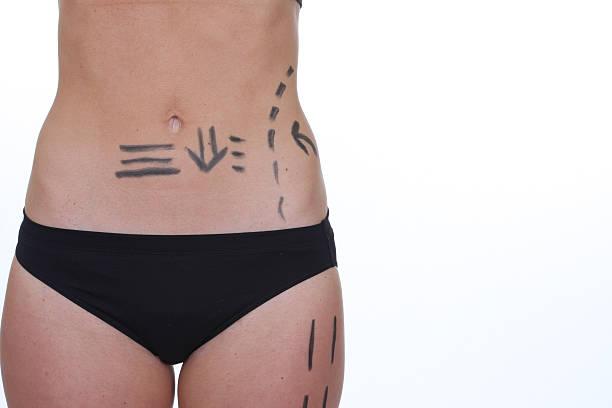
Liposuction is not a single technique; surgeons can use different approaches depending on the treatment area, amount of localized fat, skin characteristics, and individual goals. When exploring Liposuction in Riyadh, understanding the available techniques can help patients know why one approach may be recommended over another. Although the basic goal is to remove unwanted fat and improve body contours, each method uses a somewhat different approach to loosen, break up, or suction fat from the body.
What Are the Main Types of Liposuction?
The most appropriate liposuction technique depends on the patient's anatomy, treatment goals, and the surgeon's assessment. Common approaches include tumescent liposuction, power-assisted liposuction, laser-assisted liposuction, and ultrasound-assisted liposuction. These techniques are not necessarily interchangeable, and a surgeon may select one based on the specific requirements of the procedure.
Tumescent Liposuction
Tumescent liposuction involves injecting a specialized fluid solution into the targeted fatty tissue before fat removal. The solution commonly contains saline or another sterile fluid, a local anesthetic, and a medication that helps reduce bleeding. The fluid causes the tissue to become swollen and firm, allowing the surgeon to work within the treatment area more precisely.
Power-Assisted Liposuction
Power-assisted liposuction uses a cannula that moves rapidly with small mechanical movements. This can help loosen fat and may make removal more efficient in certain treatment situations. It can be particularly useful when treating areas with denser or more fibrous fat, although suitability depends on the patient's individual anatomy.
What Is Laser-Assisted Liposuction?
Laser-assisted liposuction uses laser energy to heat and disrupt fat cells before they are removed with a cannula. The energy is delivered through a small fiber inserted into the treatment area. Because the technique involves thermal energy, careful control by a qualified professional is important.
How Laser Energy Is Used
The laser energy can help liquefy or disrupt targeted fat before suction. Some laser-assisted systems are also promoted for effects on collagen and skin appearance, but outcomes can vary depending on the technology, patient characteristics, and treatment area. It should not be assumed that laser-assisted liposuction will automatically tighten loose skin.
When It May Be Considered
Laser-assisted techniques may be considered for selected areas and patients. A surgeon evaluates factors such as skin elasticity, fat thickness, treatment goals, and the amount of contouring required before recommending this approach.
What Is Ultrasound-Assisted Liposuction?
Ultrasound-assisted liposuction uses ultrasonic energy to help break up fat before it is suctioned from the body. The technique may be useful when treating areas containing more fibrous fat, but it requires specialized equipment and careful technique.
How Ultrasound-Assisted Liposuction Works
A cannula delivers ultrasonic energy into the targeted tissue. The energy helps disrupt fat, after which the loosened fat can be removed through suction. The surgeon controls the process carefully to reduce the risk of injury to surrounding tissues.
Areas Where It May Be Used
Ultrasound-assisted liposuction may be considered for areas where fat is more fibrous or difficult to remove using certain conventional approaches. However, the best technique depends on the individual patient rather than the treatment area alone.
How Does Traditional Liposuction Compare With Assisted Techniques?
Traditional liposuction primarily uses mechanical movement of a cannula to loosen and remove fat. Assisted methods introduce additional energy or mechanical movement to facilitate fat removal. The choice is not necessarily about which technique is universally better; instead, the surgeon considers which approach is appropriate for the patient's specific needs.
Treatment Goals Matter
Someone seeking subtle contouring in a small area may have different requirements from a patient requiring treatment across several larger areas. The surgeon considers the amount and location of fat, skin quality, previous procedures, and desired body proportions when developing the treatment plan.
Skin Elasticity Is Important
Liposuction removes fat but does not guarantee that loose skin will tighten sufficiently afterward. Patients with good skin elasticity may experience smoother contouring, while individuals with significant skin laxity may require a different or additional procedure. This is why skin assessment is an important part of consultation.
How Do Surgeons Choose the Right Liposuction Technique?
There is no single liposuction method that is appropriate for everyone. During a consultation for Liposuction in Riyadh, the surgeon may examine the thickness and distribution of fat, skin elasticity, overall health, previous procedures, and desired results. The number of areas being treated and the expected amount of fat removal can also influence the surgical plan.
Individual Anatomy
Body shape differs considerably from one person to another. A technique that works well for one patient may not be the preferred option for another. Personalized treatment planning allows the surgeon to select an approach based on anatomy rather than simply choosing a technique because it is popular.
Safety and Surgical Planning
The surgeon also considers factors such as anesthesia requirements, treatment duration, recovery expectations, and potential risks. A carefully planned procedure aims to remove appropriate amounts of fat while preserving natural body proportions.
What Can You Expect After Different Types of Liposuction?
Regardless of technique, patients may experience temporary swelling, bruising, tenderness, and changes in sensation after liposuction. Recovery depends on the number of areas treated, the surgical approach, individual healing, and overall health. Compression garments and activity restrictions may be recommended as part of postoperative care.
When Will Results Appear?
Initial contour changes may become visible as swelling decreases, but the final appearance can take several months to develop. Patience during recovery is important because the body needs time to heal and for postoperative swelling to resolve.
Can Results Last?
Fat cells removed during liposuction are permanently removed from the treated area. However, remaining fat cells can enlarge with significant weight gain. Maintaining a stable weight and healthy lifestyle can therefore help preserve the contours achieved through treatment.
Which Type of Liposuction Is Right for You?
The appropriate technique depends on your individual body characteristics and treatment goals. If you are considering Liposuction in Riyadh, a qualified surgeon can explain the differences between available methods and recommend an approach based on your anatomy, the treatment areas, and realistic expectations. Understanding the technique before treatment can help you feel better prepared for the procedure and recovery.
Book an Appointment
Royal Clinic Saudia can provide a personalized consultation for patients interested in liposuction and different body-contouring techniques. During your appointment, the medical team can evaluate your treatment goals, discuss suitable approaches, explain recovery, and help you understand what may be appropriate for your individual needs.
FAQs:
What is the most common type of liposuction?
Tumescent liposuction is a commonly used approach in which a specialized fluid solution is introduced into the targeted tissue before fat removal. The exact technique used depends on the patient's needs and the surgeon's preference.
Is laser liposuction different from traditional liposuction?
Yes. Laser-assisted liposuction uses laser energy to disrupt or liquefy fat before suction, whereas traditional liposuction primarily relies on mechanical movement of a cannula to loosen and remove fat.
Can different liposuction techniques be combined?
In some cases, surgeons may use different technologies or approaches during a treatment plan. Whether this is appropriate depends on the areas being treated, the patient's anatomy, and the surgeon's assessment.
Which type of liposuction is best for stubborn fat?
There is no universally best technique for every patient. A surgeon may recommend a particular approach based on the location and density of fat, skin elasticity, treatment goals, and overall health.
 Dutch
Dutch
 English
 Arabic
 French
 Spanish
 Portuguese
 Deutsch
 Turkish
 Italiano
 Russian
 Romaian
 Portuguese (Brazil)
 Greek
Greek