


Bariatric Surgery in Islamabad: Diet Before and After Surgery
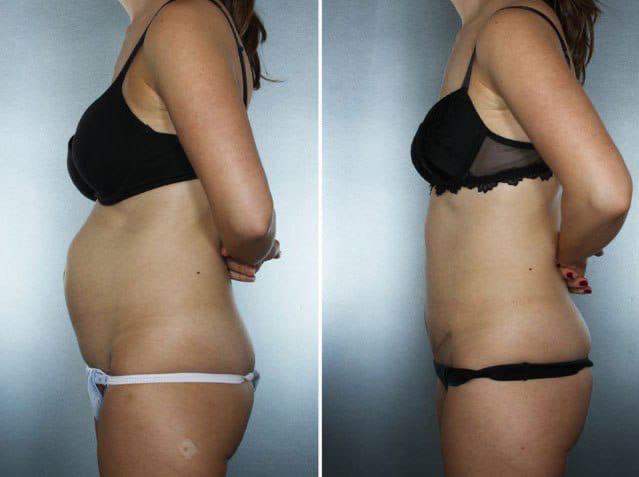
Bariatric surgery can change much more than the number on the weighing scale. For patients preparing for weight-loss surgery, one of the biggest adjustments involves food—what you eat, how much you eat, and how your body handles meals after the procedure.
If you are considering Bariatric Surgery in Islamabad, understanding the role of diet before and after surgery can make the transition easier. Your eating plan will depend on the procedure, your health, and your surgeon or dietitian's recommendations, so there is no single diet that works for every patient.
Why Does Diet Matter Before Bariatric Surgery?
Dietary preparation can help patients become familiar with the eating habits required after surgery. Your medical team may recommend specific changes before the operation depending on your health, procedure, and surgical plan.
Preoperative nutrition is part of preparing your body for surgery. It may also help you understand portion control, hydration, protein intake, and other habits that will remain important after the procedure.
Do not follow an extreme crash diet simply because you have an upcoming operation. Your surgeon or dietitian should provide specific instructions based on your individual circumstances.
What Patients Should Know About Diet and Bariatric Surgery in Islamabad
When preparing for Bariatric Surgery in Islamabad, your dietary plan may involve several areas of nutrition and lifestyle. The exact instructions can vary between patients and procedures.
- Portion awareness: Learning to recognize appropriate portion sizes can help prepare you for smaller meals after surgery.
- Protein intake: Your medical team may emphasize protein-rich foods to support nutritional needs.
- Hydration: Drinking enough suitable fluids is important before and after surgery.
- Sugary drinks: Reducing sweetened beverages can help decrease unnecessary calorie intake.
- Balanced meals: Meals may be structured around appropriate sources of protein, vegetables, and other nutritious foods.
- Eating habits: Eating slowly and paying attention to hunger and fullness can become increasingly important.
- Preoperative instructions: Your surgeon may prescribe a specific diet immediately before surgery.
Your individual medical team should determine the exact preoperative diet rather than a generic online plan.
What Foods Are Commonly Discussed Before Surgery?
Before surgery, your healthcare team may encourage you to focus on nutritious foods while reducing foods that provide large amounts of calories without much nutritional value. The exact recommendations depend on your medical situation.
For Pakistani patients, this may mean making practical adjustments to familiar meals rather than completely changing the household menu. Portions of rice, roti, naan, fried foods, sweets, sugary drinks, and rich gravies may need to be reconsidered.
The goal is to develop realistic eating habits you can maintain. A diet that fits your family's routine is often easier to follow than an unnecessarily complicated meal plan.
Is a Special Diet Required Immediately Before Surgery?
Some bariatric patients may be instructed to follow a specific diet for a period before surgery. Depending on the surgical team's protocol and the patient's circumstances, this may involve reducing certain foods and following a lower-calorie or other structured plan.
The purpose can include preparing the patient for the operation and, in some cases, reducing the size of the liver to make surgery easier. The exact duration and composition of a preoperative diet should come from your surgical team.
Do not assume that a diet used by another bariatric patient is appropriate for you.
What Happens to Your Diet Immediately After Surgery?
Eating changes considerably after bariatric surgery because your stomach needs time to heal and adjust. Patients generally progress through different stages rather than returning immediately to regular solid meals.
Your healthcare team may begin with carefully controlled fluids and gradually introduce other textures as healing progresses. Following the recommended progression is important because your digestive system has just undergone major changes.
The timeline varies according to the procedure and individual recovery, so your surgeon or dietitian's instructions should take priority.
The First Few Weeks After Surgery
During the early recovery period, hydration is a major focus. You may need to take small amounts of approved fluids regularly rather than drinking large quantities at once.
As your diet progresses, you may move from liquids to pureed or soft foods before gradually introducing more regular textures. Small portions and slow eating become essential habits.
Trying to eat normal-sized meals too soon can cause discomfort and may interfere with your recovery.
Protein Becomes Especially Important
After bariatric surgery, patients need to pay close attention to protein because their overall food intake becomes much smaller. Adequate protein can help support muscle maintenance and overall nutritional needs during weight loss.
Your dietitian or surgeon can advise you about suitable protein sources and the amount appropriate for you. Protein requirements are individual and should be based on professional guidance.
Common sources may include eggs, yoghurt, lean meat, fish, or other suitable foods depending on your dietary stage and tolerance.
What About Traditional Pakistani Foods?
You do not necessarily need to abandon Pakistani cuisine after bariatric surgery. Instead, the way meals are prepared and portioned may need to change.
Large servings of biryani, naan, paratha, fried snacks, sweets, and rich curries may be difficult to tolerate or may provide more calories than you need. Smaller portions and healthier preparation methods can make familiar foods easier to fit into a long-term eating pattern.
Your dietitian can help you understand how traditional foods can be adapted to meet your nutritional requirements.
Foods and Drinks That May Need More Attention
After surgery, some foods may be harder to tolerate than others. Very sugary foods and drinks can be particularly problematic after certain procedures, especially gastric bypass, where rapid movement of sugary food into the intestine can contribute to dumping syndrome.
Carbonated beverages may also be discouraged depending on your surgical team's recommendations. Food tolerance varies between individuals, so you should introduce foods according to your healthcare team's guidance.
Do not assume that something tolerated by another patient will necessarily feel comfortable for you.
Vitamins and Minerals After Surgery
Some bariatric procedures can reduce nutrient absorption or make it difficult to consume enough food to meet nutritional requirements. This means vitamin and mineral supplementation may become an important part of long-term care.
The supplements required can depend on the procedure and your blood-test results. Do not choose supplement doses independently or assume an ordinary multivitamin is enough.
Your medical team may recommend regular blood tests to identify deficiencies and adjust supplementation when necessary.
Eating Habits Matter as Much as Food Choices
Bariatric nutrition is not simply about choosing healthy foods. Patients also need to learn how to eat slowly, chew appropriately, recognize fullness, and avoid eating beyond their new stomach capacity.
Drinking fluids around meals may also need to be managed according to your team's recommendations. Your eating routine may need to change just as much as your food choices.
These habits can take time to develop, so patience during the adjustment period is important.
Diet During Long-Term Recovery
As healing progresses, the focus gradually shifts from a temporary postoperative diet toward a sustainable long-term eating pattern. Patients generally need to prioritize nutritious foods, appropriate portions, protein, hydration, and recommended supplements.
Weight loss may continue over an extended period, but the goal is not simply to eat as little as possible. Nutritional quality becomes increasingly important as food volume remains limited.
Regular follow-up can help your healthcare team identify nutritional problems and support healthy weight management.
What If You Struggle With Your New Diet?
It is normal for patients to have questions or difficulties while adapting to a new eating pattern. Nausea, food intolerance, difficulty meeting protein needs, or uncertainty about portion sizes should be discussed with your medical team.
Do not silently struggle with your postoperative diet. A surgeon or dietitian can help identify whether the issue is expected during recovery or needs further assessment.
Keeping a simple record of foods, fluids, symptoms, and meals may also help your healthcare team understand what is happening.
Final Thoughts
Diet plays an important role before and after Bariatric Surgery in Islamabad, from preoperative preparation and hydration to gradual food progression, protein intake, portion control, and long-term nutritional monitoring. The right diet varies according to the procedure and individual health, so professional guidance should always take priority over generic online plans. Dynamic Aesthetic Clinic offers clinical expertise, board-certified surgeons, and advanced surgical techniques for patients seeking individualized bariatric care, nutritional planning, and comprehensive treatment support.
Meta Description
Learn about diet before and after Bariatric Surgery in Islamabad, including protein, hydration, portion sizes, Pakistani foods, and long-term nutrition.

 English
 French
 Spanish
 Portuguese
 Deutsch
 Turkish
 Dutch
Dutch
 Italiano
 Russian
 Romaian
 Portuguese (Brazil)
 Greek
Greek