


Rosewood vs Ebony and Ebony vs Maple Fretboard: Understanding the Differences
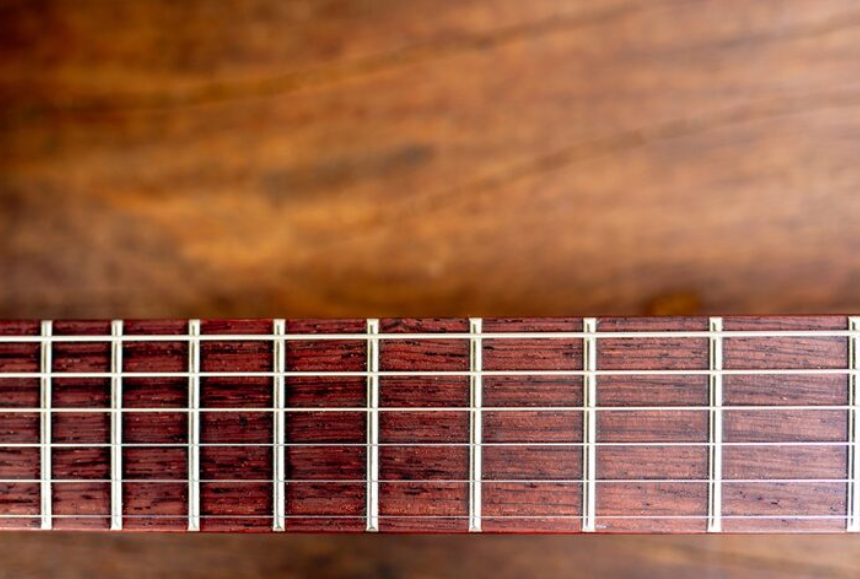
Choosing the right fretboard material can have a noticeable effect on the feel, appearance, maintenance, and overall playing experience of a guitar. Three of the most familiar options are rosewood, ebony, and maple. Each wood has its own characteristics, and guitarists often compare them when selecting a new instrument or deciding what type of fretboard best matches their playing style.
The discussion around rosewood vs ebony is especially common because both woods are associated with quality guitar construction but provide different playing sensations and visual characteristics. Similarly, the comparison of ebony vs maple fretboard options can help players understand how a darker, dense hardwood differs from a brighter-looking maple neck surface.
Understanding Rosewood Fretboards
Rosewood has been used on guitar fretboards for generations. It is known for its naturally attractive appearance, which can range from medium brown to deep chocolate shades, sometimes featuring darker streaks. The surface generally has a warm and natural appearance that many guitarists find appealing.
One of the defining characteristics of rosewood is its relatively smooth playing feel. Many players appreciate the way the fingers move across the surface, particularly during bends, slides, and chord changes. Rosewood also tends to have a slightly softer feel compared with very dense woods such as ebony.
From a tonal perspective, rosewood is commonly associated with a warm and balanced character. However, the fretboard is only one component of a guitar's overall sound. The body wood, pickups, strings, bridge, construction, amplifier, and playing technique can all have a much greater influence on the final result.
Understanding Ebony Fretboards
Ebony is a dense and hard hardwood frequently used for high-quality guitar fretboards. Its appearance is one of its most recognizable characteristics. Many ebony fretboards are very dark, ranging from dark brown to nearly black, although natural variation can produce lighter streaks or color differences.
The dense surface gives ebony a distinctive smooth and solid feel. Players who enjoy a firm, precise sensation beneath their fingers may particularly appreciate this type of fretboard. Ebony can also provide a comfortable surface for fast playing because of its smooth finish and consistent feel.
When considering rosewood vs ebony, the choice often comes down to personal preference rather than one material being universally superior. Rosewood can offer a warmer, more traditional appearance and feel, while ebony provides a harder, sleek, and refined playing surface.
Ebony vs Maple Fretboard
The ebony vs maple fretboard comparison introduces another important difference: appearance. Maple is typically much lighter than ebony. A maple fretboard can have a pale cream, golden, or light brown appearance, creating a bright and distinctive look.
Maple is also valued for its smooth surface. Unlike unfinished rosewood or ebony, many maple fretboards are finished or coated, depending on the guitar design. This can create a different tactile experience under the fingers.
Ebony, by contrast, generally has a darker appearance and a naturally dense surface. Players who prefer a darker, understated aesthetic may gravitate toward ebony, while those who want a bright and visually noticeable neck may prefer maple.
The ebony vs maple fretboard decision is therefore influenced by both playing feel and visual style. Neither material automatically makes a guitar better. The ideal choice depends on the player's preferences, the guitar's construction, and the desired overall experience.
Comparing Playing Feel
Fretboard feel is one of the most important factors to consider. Every guitarist interacts with the fretboard continuously, so even small differences in texture can affect comfort.
Rosewood generally offers a natural and slightly softer feeling surface. Ebony tends to feel harder and exceptionally smooth. Maple can feel very smooth as well, particularly when the fretboard has a finished surface.
For players who frequently perform bends and slides, the differences can become noticeable over time. However, personal preference matters significantly. One guitarist may prefer the natural feel of rosewood, while another may enjoy the slicker sensation of ebony or finished maple.
Appearance and Guitar Style
Visual preference can also play a major role in selecting a fretboard. Rosewood is often chosen for its rich brown coloring and natural grain patterns. Ebony creates a sophisticated dark appearance that pairs well with many guitar finishes. Maple offers an entirely different aesthetic because of its light color.
When looking at rosewood vs ebony, the visual difference is usually easy to identify. Rosewood tends to create a warm and traditional appearance, while ebony gives the instrument a darker and more modern-looking character.
In the ebony vs maple fretboard comparison, the contrast is even more dramatic. Ebony is dark and understated, whereas maple can make the neck stand out immediately.
Maintenance Considerations
All fretboards benefit from appropriate care, but maintenance requirements can vary depending on the guitar's finish and construction. Rosewood and ebony fretboards that are unfinished may require occasional cleaning and conditioning according to the manufacturer's recommendations.
Maple fretboards often have a finish that protects the wood from dirt and moisture. Because of this, care procedures can differ from those used for unfinished rosewood or ebony.
Regardless of the wood, excessive moisture should generally be avoided. Players should also clean accumulated dirt from the fretboard and use products that are appropriate for the specific finish.
Durability and Long-Term Use
Ebony's high density makes it a popular option for instruments expected to withstand frequent playing. Its hard surface can provide a solid foundation for frets and repeated finger movement.
Rosewood is also widely used for guitar construction and can provide excellent long-term performance when properly maintained. Maple is another durable choice, especially when the fretboard is properly finished and protected.
Rather than focusing only on the species of wood, guitarists should consider the quality of construction, fret installation, finishing, humidity control, and overall instrument maintenance.
Choosing the Right Fretboard
When comparing rosewood vs ebony, consider whether you prefer a warmer visual style and natural playing feel or a harder, darker, exceptionally smooth surface. If you are deciding between ebony and maple, the ebony vs maple fretboard comparison may come down to the contrast between a dark, dense hardwood and a lighter, often finished fretboard.
Your playing style should also influence the decision. Players who enjoy traditional guitar aesthetics may prefer rosewood, while musicians looking for a sleek and firm playing surface may favor ebony. Maple can be attractive for guitarists who enjoy a bright visual appearance and a distinctive neck design.
Ultimately, there is no single fretboard material that is perfect for every guitarist. Rosewood, ebony, and maple each bring different characteristics to an instrument. Understanding the differences allows players to make a more informed choice based on comfort, appearance, maintenance, and personal preference.
Whether you are researching rosewood vs ebony or comparing an ebony vs maple fretboard, the best approach is to consider how the instrument feels in your hands. A fretboard should complement your playing style and make you comfortable enough to enjoy practicing, performing, and creating music.
 Russian
 English
 Arabic
 French
 Spanish
 Portuguese
 Deutsch
 Turkish
 Dutch
Dutch
 Italiano
 Romaian
 Portuguese (Brazil)
 Greek
Greek