


Residential Elevators and Home Elevator Installation: Enhancing Comfort, Safety, and Accessibility
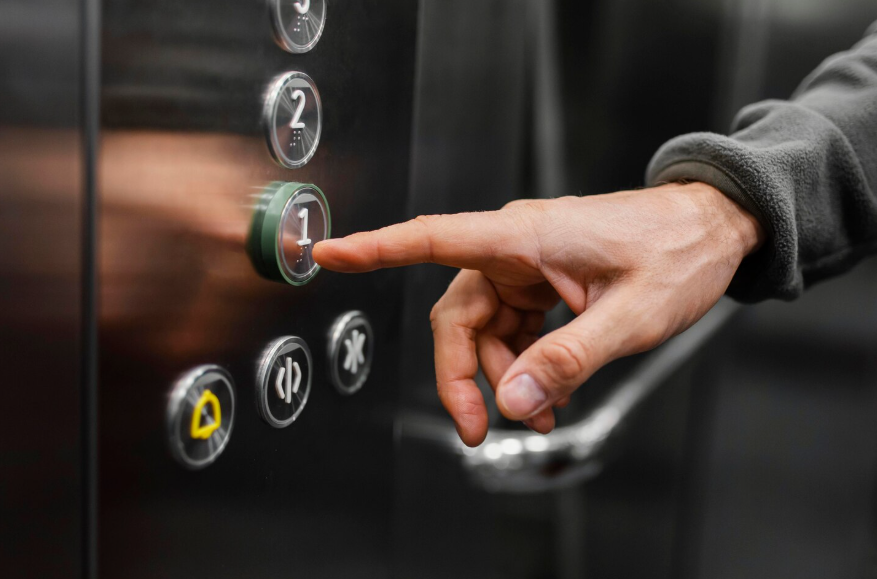
Modern homes are increasingly designed around comfort, accessibility, and long-term convenience. As homeowners look for ways to make their properties more functional, residential elevators have become an attractive solution for moving between floors with greater ease. Unlike traditional stairs, an elevator can provide convenient vertical transportation for people, household items, luggage, and other necessities. Whether a home is being newly constructed or an existing property is being renovated, installing an elevator can make multiple levels easier to access.
Residential elevators can be particularly valuable for homeowners who want to prepare their properties for changing mobility needs. They can also add a practical feature to homes where family members regularly move between several floors. With thoughtful planning, an elevator can become a natural part of a home's design rather than simply an accessibility addition.
Understanding Residential Elevators
Residential elevators are compact elevator systems designed specifically for private homes. They are available in different configurations, sizes, finishes, and operating systems to accommodate various architectural requirements. Depending on the home and the intended use, homeowners may select an elevator that serves two or more floors.
One of the major advantages of residential elevators is convenience. Carrying groceries, laundry baskets, boxes, or other household items up and down stairs can become tiring. An elevator can make these everyday tasks easier while reducing the need to repeatedly use stairways.
Residential elevators can also support accessibility. Individuals who have difficulty climbing stairs may find it easier to move between floors using an elevator. This can allow homeowners to continue using all areas of their homes instead of limiting themselves to a single floor.
Benefits of Installing a Home Elevator
A home elevator can offer benefits beyond basic transportation. One important advantage is improved accessibility throughout the property. When bedrooms, bathrooms, kitchens, offices, and living spaces are located on different floors, an elevator can provide a convenient connection between them.
Safety is another important consideration. Stairs can present challenges for people with limited mobility, balance concerns, or temporary injuries. Reducing the need to use stairs may make everyday movement around the home more comfortable.
Convenience is also valuable for families. Parents may need to carry children or move bulky household belongings between floors. Older homeowners may want an easier way to access upper-level bedrooms. An elevator can accommodate many of these everyday situations.
Another potential benefit is long-term home usability. A property designed with accessibility in mind can remain functional as household needs change. Planning for future mobility requirements may help homeowners avoid major renovations later.
Planning for Home Elevator Installation
Successful home elevator installation begins with careful planning. Before selecting a system, homeowners should consider the number of floors the elevator will serve, available space, expected usage, and the overall design of the home.
The location of the elevator is especially important. It should provide convenient access to the rooms and areas that occupants use most frequently. Depending on the home's layout, an elevator may be positioned near a staircase, hallway, garage, or another central location.
Available space also affects the type of elevator that can be installed. Some systems require a dedicated shaft, while other designs may have different structural requirements. Homeowners should evaluate the available footprint before choosing a specific configuration.
Electrical requirements, structural modifications, door placement, and landing access should also be considered. Professional planning can help ensure that all necessary components work together properly.
Choosing the Right Elevator Design
Residential elevators come in a variety of styles, allowing homeowners to consider both function and appearance. A traditional elevator cabin may provide a spacious interior, while a more compact design can work well in homes where space is limited.
Interior finishes can also be selected to complement the home's existing décor. Options may include different wall finishes, flooring materials, lighting arrangements, handrails, and door styles. A thoughtfully designed elevator can blend with the surrounding architecture.
Homeowners should also think about how the elevator will be used. If it will primarily transport people, accessibility and interior dimensions may be the main priorities. If household items will frequently be transported, a slightly larger cabin may be more practical.
Safety Features and Everyday Use
Safety should remain a central consideration when planning residential elevators. Modern systems may include features designed to support secure operation, such as emergency controls, door sensors, lighting, braking systems, and backup functions.
Users should understand the operating instructions and follow the manufacturer's recommendations. Children should be taught appropriate elevator behavior, and household members should avoid interfering with doors, controls, or safety mechanisms.
Regular maintenance is another important part of safe elevator ownership. Like other mechanical systems in a home, an elevator contains moving components that benefit from professional inspection and servicing.
Professional Installation Matters
Home elevator installation involves more than placing an elevator inside a house. Structural preparation, electrical work, elevator components, doors, controls, and safety systems all need to work together correctly.
Working with qualified professionals can help homeowners address these requirements during the planning and installation process. A professional can evaluate the property, determine appropriate installation requirements, and coordinate the necessary work.
Proper installation can also help ensure that the elevator operates smoothly and fits appropriately within the home's structure. Attempting to make major modifications without suitable expertise can create unnecessary problems, so professional involvement is an important part of the process.
Maintenance and Long-Term Care
After installation, routine maintenance can help keep a residential elevator operating reliably. Homeowners should follow the recommended service schedule and address unusual noises, movement, door problems, or control issues promptly.
Keeping the elevator area clean and unobstructed is also important. Landing areas should remain clear so users can enter and exit safely. Any visible damage or operational changes should be evaluated by an appropriate professional.
Regular servicing can help identify wear before it develops into a larger problem. It also gives homeowners an opportunity to keep safety components and mechanical systems functioning as intended.
Adding Long-Term Value to a Home
An elevator can contribute to the overall functionality of a multi-level property. While the primary purpose is convenient vertical transportation, the feature may also make the home more adaptable to different stages of life.
For homeowners planning to remain in their property for many years, residential elevators can provide a practical accessibility solution. They can make upper floors easier to reach while reducing dependence on stairways.
The visual design can also be incorporated into the home's architecture. With the right planning, an elevator can feel like an intentional part of the property rather than an afterthought.
Conclusion
Residential elevators offer a practical way to improve accessibility, convenience, and mobility in multi-level homes. They can simplify everyday tasks, make different floors easier to reach, and provide greater flexibility as household needs change. From selecting the right location to choosing appropriate features, every stage of the project benefits from careful planning.
A successful home elevator installation should consider structural requirements, available space, design preferences, safety features, and long-term maintenance. With professional planning and proper care, an elevator can become a useful and lasting part of a modern home. For homeowners seeking greater comfort and accessibility across multiple floors, residential elevators can provide a convenient solution that supports both everyday living and future needs.
 Turkish
 English
 Arabic
 French
 Spanish
 Portuguese
 Deutsch
 Dutch
Dutch
 Italiano
 Russian
 Romaian
 Portuguese (Brazil)
 Greek
Greek