


Understanding Nesbit Flexible Partial and Acrylic Partial Denture Options for Missing Teeth
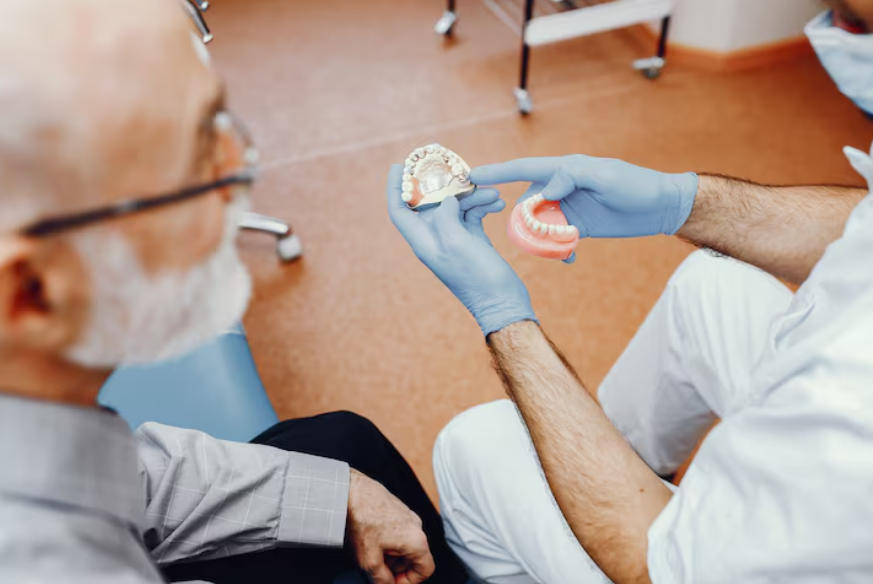
Missing teeth can affect much more than the appearance of a smile. They can make chewing difficult, influence speech, and sometimes create challenges when eating or socializing. Fortunately, several removable dental solutions can help restore function and appearance. Two options that people may consider are a nesbit flexible partial and an acrylic partial denture. Understanding the features, benefits, limitations, and differences between these options can help patients have a more informed conversation with a dental professional about replacing missing teeth.
What Is a Nesbit Flexible Partial?
A nesbit flexible partial is a removable dental appliance designed to replace one or more missing teeth, particularly when the missing teeth are located in specific areas of the mouth. It is made from a flexible material that can adapt to the contours of the mouth. Unlike some traditional partial dentures that rely heavily on visible metal components, flexible partials are often designed with gum-colored or tooth-colored elements for a more discreet appearance.
One of the appealing characteristics of a nesbit flexible partial is its lightweight construction. Because the appliance is designed to replace selected missing teeth without necessarily covering a large portion of the mouth, some people find this type of restoration convenient for everyday use.
Flexible materials can also provide a degree of comfort because they can bend slightly during placement and removal. The appliance is intended to fit securely while allowing the wearer to remove it when cleaning the teeth, gums, and appliance.
What Is an Acrylic Partial Denture?
An acrylic partial denture is another removable option for replacing missing teeth. Acrylic is a commonly used material in removable dental appliances because it can be shaped to create a base that supports replacement teeth.
An acrylic partial denture may be useful when a patient needs to replace several missing teeth or requires a removable appliance that provides broader coverage. The acrylic base can be created in a shade that resembles natural gum tissue, while artificial teeth are selected to complement the patient's remaining teeth.
One advantage of an acrylic partial is its versatility. Depending on the individual's needs, the appliance can be designed to restore multiple areas of the smile. Acrylic dentures can also sometimes be adjusted or repaired when changes occur, although the exact options depend on the construction and dental provider.
Comparing Flexible and Acrylic Partial Dentures
When comparing a nesbit flexible partial with an acrylic partial denture, it is important to understand that neither option is automatically appropriate for every patient. The ideal choice depends on factors such as the number and location of missing teeth, the condition of the remaining teeth, gum health, bite, desired appearance, and personal comfort.
A flexible partial is often considered when a patient wants a lightweight and relatively discreet solution for specific missing teeth. Its flexible material may make it easier to insert and remove compared with some rigid designs.
An acrylic partial, on the other hand, may offer a larger supporting base. This can be useful when several teeth need to be replaced. Because acrylic can be shaped into different designs, it can accommodate a variety of dental situations.
The overall design is just as important as the material. A properly designed appliance should provide appropriate support and stability while fitting comfortably in the mouth.
Appearance and Everyday Comfort
Appearance is an important consideration for many people who need a removable dental appliance. Missing teeth can be noticeable, especially when they are located toward the front of the mouth. Both flexible and acrylic appliances can be created with replacement teeth designed to blend with the natural smile.
A nesbit flexible partial may provide a discreet appearance because flexible components can be less noticeable than traditional metal clasps. This can make it attractive to individuals who are particularly concerned about the visibility of their dental appliance.
An acrylic partial denture can also provide an attractive appearance when carefully designed and matched to the patient's existing teeth and gum color. However, the amount of acrylic and the overall design may vary depending on how many teeth are being replaced and how the appliance is supported.
Comfort is equally important. A removable appliance should not cause persistent soreness, excessive pressure, or difficulty speaking. If discomfort occurs, professional adjustment may be necessary.
Eating and Speaking With a Partial Denture
Replacing missing teeth can help restore important everyday functions. Teeth play a major role in breaking down food, while the tongue and teeth work together during speech. A well-fitting partial denture can help support these functions.
Patients may need a period of adjustment when they first receive a nesbit flexible partial. Beginning with softer foods and gradually introducing different textures can make the transition easier. Speaking aloud regularly can also help the mouth and tongue adapt to the presence of the appliance.
An acrylic partial denture may also require an adjustment period. The appliance can feel unfamiliar at first, particularly if it covers a larger area of the gums or palate. With proper fit and regular use, many people become more accustomed to the sensation over time.
Caring for a Partial Denture
Good care is essential for both flexible and acrylic partial dentures. Removable appliances should generally be cleaned regularly to remove food particles and buildup. The remaining natural teeth and gums also require daily oral hygiene.
Patients should follow the cleaning instructions provided for their specific appliance because different materials can have different care requirements. Harsh products or inappropriate cleaning methods may damage certain dental materials.
It is also important to handle removable appliances carefully. Dropping a denture can cause cracks, distortion, or other damage. When the appliance is not being worn, it should be stored according to professional instructions.
Regular dental visits remain important even when a patient uses a removable appliance. The condition of the remaining teeth, gums, and bite can change over time, and the appliance may eventually need adjustment or replacement.
Choosing the Right Option
Choosing between a nesbit flexible partial and an acrylic partial denture should involve consideration of both dental needs and personal preferences. A person missing a single tooth may have different requirements from someone missing several teeth. Likewise, a patient with healthy supporting teeth may have different options from someone with significant dental changes.
The location of the missing teeth is another important factor. The dentist or dental professional can evaluate the available support and determine which type of removable restoration may provide appropriate stability.
Patients should also discuss their expectations regarding appearance, comfort, cleaning, durability, and daily use. Understanding these factors before choosing an appliance can help prevent unrealistic expectations and improve satisfaction with the final result.
Maintaining a Healthy Smile
A partial denture replaces missing teeth, but it does not eliminate the need to care for the remaining natural teeth. Brushing, cleaning between teeth, maintaining healthy gums, and attending regular dental appointments remain important.
The appliance itself should also be inspected periodically. Changes in the mouth can affect how a partial denture fits. Weight changes, tooth movement, gum changes, or natural wear may eventually influence comfort and stability.
Whether someone chooses a nesbit flexible partial or an acrylic partial denture, proper maintenance can help preserve the appliance and support overall oral hygiene.
Conclusion
Replacing missing teeth can make everyday activities such as eating, speaking, and smiling more comfortable. A nesbit flexible partial offers a flexible and potentially discreet approach for certain tooth-replacement situations, while an acrylic partial denture provides a versatile removable option that can support the replacement of multiple missing teeth.
The right choice depends on each individual's dental condition, lifestyle, comfort preferences, and treatment goals. By discussing the available options with a qualified dental professional and maintaining good oral hygiene, patients can take practical steps toward restoring their smile and maintaining their oral health.
 Greek
Greek
 English
 Arabic
 French
 Spanish
 Portuguese
 Deutsch
 Turkish
 Dutch
Dutch
 Italiano
 Russian
 Romaian
 Portuguese (Brazil)