


How Schneider Busbar Systems Reduce Installation Time and Maintenance Costs
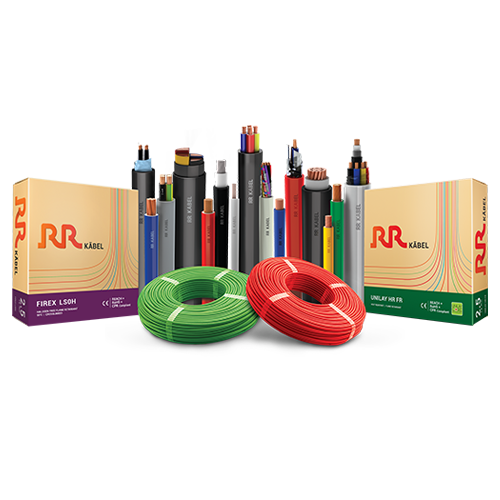
Modern commercial and industrial facilities require electrical distribution systems that are reliable, flexible, and easy to maintain. Traditional cable-based distribution can involve extensive routing, multiple connections, and significant installation effort, particularly when power needs to be distributed across large facilities. Schneider busbar systems provide an alternative approach by creating a structured method for distributing electrical power while offering flexibility for changing installation requirements.
What Are Busbar Systems?
A busbar system, commonly known as a busway or busbar trunking system, uses enclosed conductors to distribute electrical power from a main supply point to multiple loads. Depending on the system, tap-off units can provide connections to equipment or distribution points at selected locations.
Schneider Electric offers busbar solutions designed for different commercial and industrial power-distribution applications. Their modular construction can simplify certain installation requirements compared with extensive cable-based distribution.
1. Faster Installation
One of the key advantages of busbar systems is their modular design. Instead of installing long cable runs with numerous supporting structures and termination points, installers can assemble standardized busbar sections along the required route.
This can reduce the amount of cable cutting, routing, and termination required for suitable applications. Installation time can therefore be shortened, particularly in large facilities where electrical distribution extends across multiple areas.
2. Simplified Power Distribution
Busbar systems provide a defined path for distributing electrical power throughout a facility. Their compact construction can make power distribution more organized, especially in locations where space is limited.
Because the system follows a planned route, electrical teams can establish clear distribution paths between the main supply and various equipment or distribution points.
3. Flexible Tap-Off Connections
Modern facilities often need to modify their electrical layouts as equipment is added, relocated, or replaced. Traditional cable installations may require significant rewiring when the distribution arrangement changes.
Busbar systems can provide tap-off points at suitable locations, allowing compatible distribution units to be connected according to system requirements. This modular approach can provide greater flexibility when changes are required.
4. Reduced Cable Management Requirements
Large cable installations may require extensive trays, supports, routing space, and cable management. As the number of circuits increases, managing these cable runs can become more complicated.
A busbar system consolidates conductors within an enclosed assembly, helping create a more structured distribution arrangement. This can reduce cable congestion and make the electrical infrastructure easier to understand and manage.
5. Easier Maintenance
Maintenance teams benefit from electrical systems that are organized and accessible. A properly installed busbar system provides a defined distribution route and standardized connection points.
When maintenance or modifications are required, technicians can work with the system's designated components rather than tracing numerous individual cable runs. This can simplify certain inspection and maintenance activities.
All maintenance work must still follow appropriate isolation, testing, and electrical safety procedures.
6. Lower Maintenance Costs
Maintenance costs are influenced by accessibility, component reliability, troubleshooting time, and the complexity of electrical infrastructure. The modular nature of a busbar system can help reduce some of the labor associated with identifying and modifying individual distribution circuits.
When compatible components are readily available and the system is properly documented, maintenance teams may be able to complete certain changes more efficiently.
Actual cost savings depend on the installation design, facility size, operating conditions, and maintenance strategy.
7. Better Space Utilization
Space is often an important consideration in modern industrial and commercial facilities. Extensive cable trays and multiple cable runs can occupy considerable installation space.
Busbar systems generally provide a compact distribution solution that can be routed through designated areas. This can help optimize available space while maintaining an organized electrical layout.
8. Supporting Future Expansion
Electrical requirements can change as businesses expand. Additional machinery, workstations, production lines, or equipment may increase the demand for power distribution.
A modular busbar system can offer flexibility for future changes when the system is designed with expansion requirements in mind. Additional compatible tap-off connections can be incorporated where the system permits, reducing the need for completely redesigning the distribution route.
9. Improved Installation Organization
A well-designed busbar system can provide a cleaner and more structured electrical installation. Standardized sections and connection points make it easier to understand how power is distributed across a facility.
This organization can also assist future maintenance teams by providing a clearer picture of the electrical distribution network.
Importance of Proper System Selection
The benefits of a busbar system depend heavily on correct design and application. Factors such as rated current, voltage, short-circuit withstand capability, environmental conditions, installation route, tap-off requirements, and future expansion should be evaluated.
The system should be selected and installed by qualified professionals according to applicable standards and manufacturer requirements. Proper installation, testing, and regular inspection are essential for reliable operation.
Conclusion
Schneider busbar systems can offer significant advantages for modern electrical distribution by combining modular construction, organized power routing, flexible connections, and simplified maintenance. Compared with extensive cable-based installations in suitable applications, they can help reduce installation effort and make future modifications more manageable.
For commercial and industrial facilities, investing in an appropriately designed busbar system can contribute to faster installation, better space utilization, easier maintenance, greater flexibility, and potentially lower lifecycle costs. With professional design and installation, busbar systems can provide a practical foundation for reliable and adaptable electrical power distribution.
Why Do Industries Prefer RR Kabel Wires and Cables?
Schneider Electrical Sockets for Residential Bungalows: Features, Benefits, and Applications
 Italiano
 English
 Arabic
 French
 Spanish
 Portuguese
 Deutsch
 Turkish
 Dutch
Dutch
 Russian
 Romaian
 Portuguese (Brazil)
 Greek
Greek