


HR Payroll Software: Simplifying Workforce Management With Online HR Software
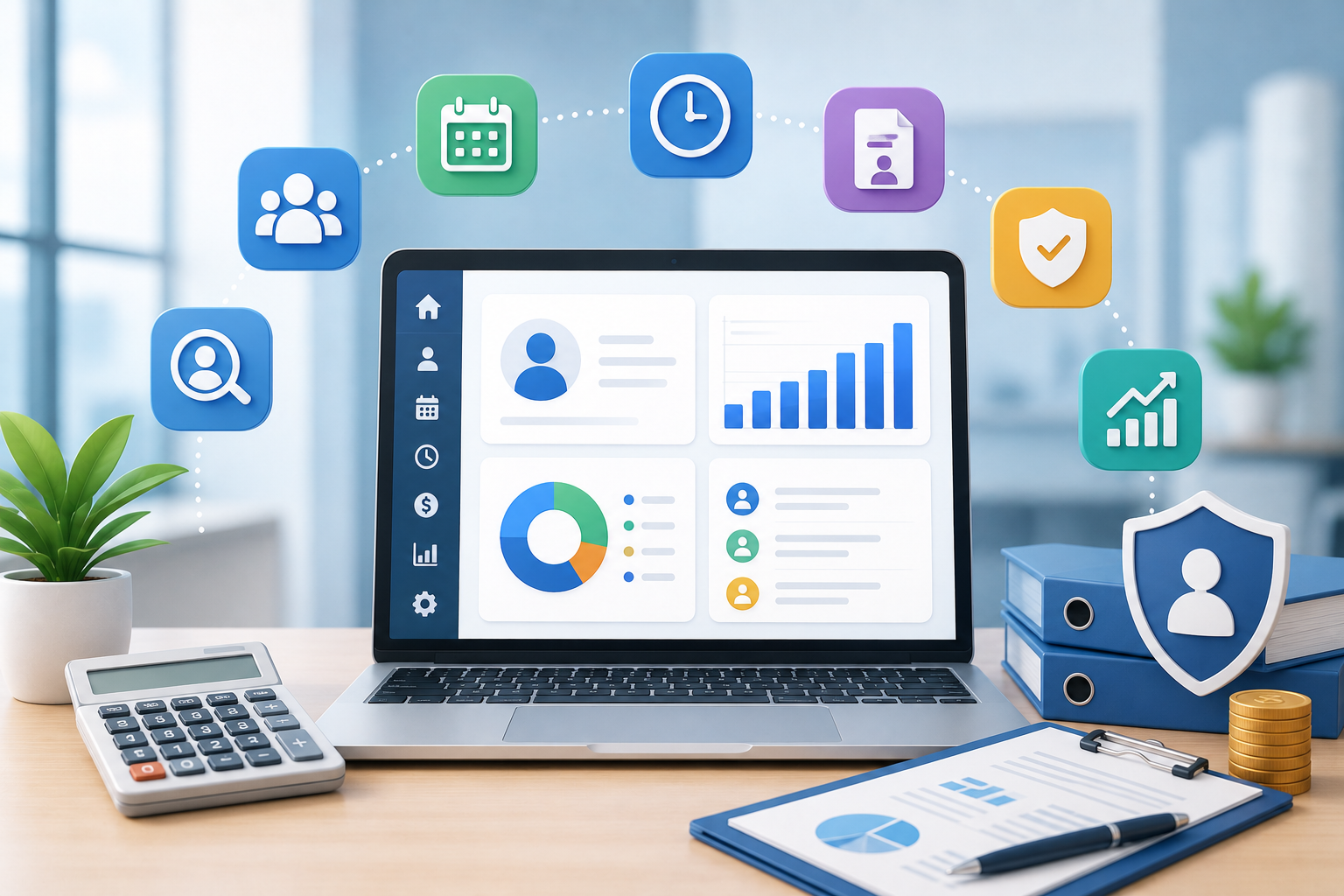
Managing employees and payroll manually can become difficult as a business grows. HR teams need to maintain employee records, track attendance, manage leave, calculate salaries, handle deductions, and prepare payroll reports every month. HR payroll software brings many of these activities together in one digital platform, helping businesses create a more organized and efficient HR process.
With online HR software, businesses can also manage employee information and HR activities through a centralized system that can be accessed from different locations, depending on the platform.
What Is HR Payroll Software?
HR payroll software is a digital solution that combines human resource management with payroll processing. It allows businesses to maintain employee information while managing salary calculations and other payroll-related activities.
A typical HR payroll platform may include employee management, attendance, leave, payroll, salary slips, statutory payroll support, employee self-service, reporting, and other HR features.
By connecting these functions, businesses can reduce the need to maintain separate records for different HR processes.
Why Businesses Need HR Payroll Software
Payroll depends on accurate employee information, attendance, leave, salary structures, deductions, and other payroll components. When these records are managed manually, HR teams may spend considerable time collecting and verifying information.
An integrated HR payroll system can help businesses:
- Maintain centralized employee records
- Manage attendance and working hours
- Track employee leave
- Calculate salaries
- Manage deductions
- Generate salary slips
- Prepare payroll reports
- Support statutory payroll processes
- Provide employee self-service
This can make monthly payroll activities more structured and easier to manage.
Key Features of HR Payroll Software
1. Employee Information Management
Businesses can maintain employee profiles, job details, departments, designations, documents, and other relevant information in one centralized database.
Keeping employee information organized can help HR teams access records quickly and reduce duplicate data entry.
2. Attendance Integration
Attendance and working hours can directly affect payroll. HR payroll software can connect attendance information with salary processing, helping HR teams use relevant attendance data during payroll calculations.
Depending on the system, businesses can manage shifts, overtime, late arrivals, and attendance regularization.
3. Leave Management
Employees can apply for leave through an online portal or mobile application, while managers can approve or reject requests digitally.
Approved leave information can then be connected with payroll where applicable, reducing the need to update multiple records manually.
4. Automated Payroll Processing
Payroll software can calculate employee salaries based on configured salary structures, attendance, leave, deductions, and other applicable components.
Automation can reduce repetitive calculations and help HR teams process payroll more consistently.
5. Salary Slips
Employees can receive digital salary slips through the employee self-service system. This provides convenient access to salary information while reducing manual document distribution.
6. Payroll Reports
HR and finance teams can generate reports related to salaries, deductions, employee costs, and other payroll information. These reports can support internal reviews and payroll administration.
How Online HR Software Supports Businesses
Online HR software allows businesses to manage HR information through a centralized digital platform. Depending on the solution, authorized users can access the system through web browsers or mobile applications.
This can be useful for companies with:
- Multiple offices
- Remote employees
- Hybrid teams
- Distributed HR teams
- Employees working across different locations
Instead of relying on physical files or separate spreadsheets, HR teams can maintain important workforce information in one system.
Benefits of HR Payroll Software
Saves Time
Automating routine HR and payroll activities can reduce the time HR teams spend on repetitive data entry and calculations.
Reduces Manual Errors
Centralized employee information and automated workflows can help reduce errors caused by duplicate data entry and manual calculations.
Improves Employee Access
Employee self-service features allow employees to access salary slips, attendance information, leave balances, and other HR information without contacting HR for every request.
Supports Better Compliance Management
For Indian businesses, some payroll platforms provide features supporting processes related to PF, ESIC, TDS, and other statutory requirements. Businesses should configure these features according to applicable rules and their specific requirements.
Provides Better Workforce Visibility
HR managers can access reports covering employees, attendance, leave, payroll, and other HR activities from a centralized system.
HR Payroll Software for Growing Businesses
Small businesses may initially manage payroll using spreadsheets and basic accounting tools. As employee numbers increase, these processes can become harder to maintain.
An HR payroll platform can provide a structured system for managing employee information and payroll. Businesses can add employees, departments, salary structures, and workflows as their requirements change.
Cloud-based platforms can also make it easier for authorized users to access HR information from different locations.
How to Choose the Right HR Payroll Software
Businesses should evaluate their requirements before selecting a solution. Important factors include:
- Employee management
- Payroll automation
- Attendance integration
- Leave management
- Salary structure management
- Statutory payroll support
- Salary slip generation
- Employee self-service
- HR reports
- Mobile access
- Data security
- Role-based permissions
- Integration capabilities
- Customer support
- Pricing and scalability
Ease of use is also important. HR teams, managers, and employees should be able to use the platform without unnecessary complexity.
Conclusion
HR payroll software can help businesses connect employee management and payroll activities within one centralized platform. By integrating employee records, attendance, leave, salary processing, and employee self-service, organizations can reduce repetitive administrative work and create more organized HR workflows.
For businesses looking for online HR software, the right platform should match their workforce size, payroll requirements, HR processes, security needs, budget, and future growth. A scalable HR and payroll system can provide a practical foundation for managing employees efficiently as the organization expands.
 Dutch
Dutch
 English
 Arabic
 French
 Spanish
 Portuguese
 Deutsch
 Turkish
 Italiano
 Russian
 Romaian
 Portuguese (Brazil)
 Greek
Greek