


The Hidden Logistics of Moving Into a High-Rise Apartment
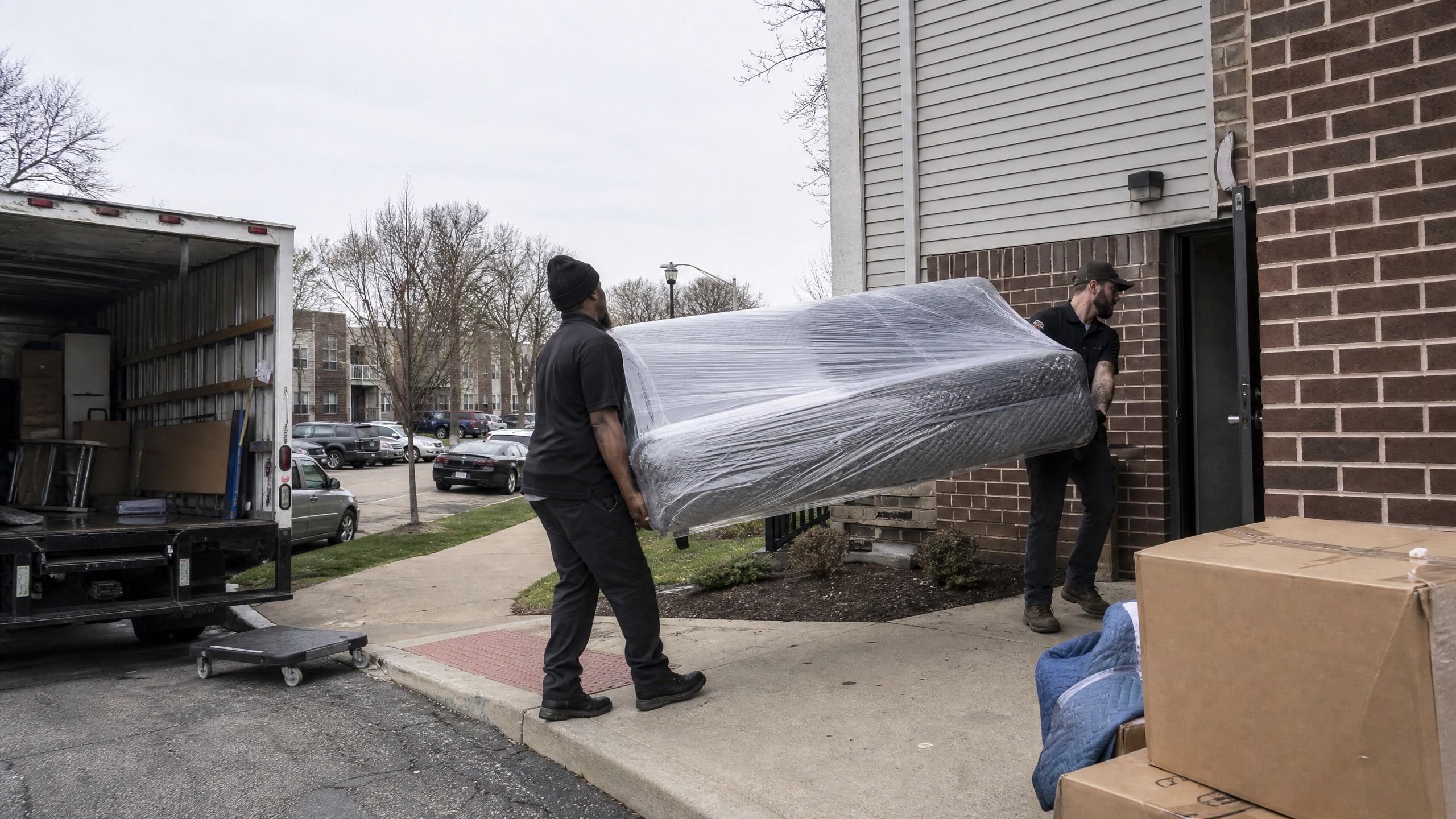
Moving into a high-rise apartment can be exciting—but it also involves logistics that are easy to overlook. Elevators, loading docks, parking restrictions, building rules, narrow hallways, and move-in reservations can turn a simple relocation into a carefully coordinated operation.
Whether you are moving into a downtown tower, a luxury condominium, or a multi-story apartment building, planning ahead can save time, reduce stress, and help protect your belongings. This guide explains the hidden logistics of a high-rise move and how a professional moving company can help make the process smoother.
1. Reserve the Building’s Moving Elevator Early
One of the most important steps is reserving the service elevator or freight elevator before moving day. Many high-rise buildings do not allow residents to use the main passenger elevators for large furniture or moving boxes.
Building management may require:
•A scheduled move-in time
•A refundable elevator deposit
•Proof of insurance from the moving company
•A certificate of insurance (COI)
•A specific loading and unloading window
•Protective padding for the elevator interior
•A list of the items being moved
Elevator reservations can fill up quickly, especially at the end of the month, on weekends, and during peak moving season. Ask your leasing office or property manager about the building’s move-in procedures as soon as you know your closing or lease date.
2. Check the Building’s Move-In Rules
Every apartment building has its own policies. Some properties allow moves only during weekday business hours, while others restrict moves to a few hours per day. There may also be rules about where the moving truck can park, which entrances movers may use, and how furniture must be brought inside.
Before moving day, request the building’s move-in packet and confirm:
•Approved move-in dates and hours
•Required reservations
•Insurance requirements
•Parking or loading-zone rules
•Door, hallway, and elevator protection requirements
•Rules for oversized furniture
•Fees, deposits, or administrative forms
•Contact information for the building manager or concierge
Understanding these details in advance helps prevent delays and unexpected charges.
3. Plan for Truck Parking and Loading Access
A high-rise apartment may have limited curb space, a small loading dock, or no dedicated moving area at all. In busy neighborhoods, a moving truck may need to park several buildings away, which can significantly increase the time required to carry items inside.
Ask these questions before your move:
1.Is there a designated loading zone?
2.Can the moving truck reserve a space?
3.Is a parking permit required?
4.What is the maximum truck height allowed in the garage?
5.Are there low-clearance areas or narrow ramps?
6.Can the truck remain parked for the entire move-in window?
If the building has an underground garage, confirm the clearance height before the moving company arrives. A truck that cannot enter the garage may need to unload at the street, creating additional walking distance and coordination.
4. Measure the Route Before Moving Large Furniture
A piece of furniture may fit comfortably inside your old home but still be difficult to bring into a high-rise apartment. Measure the entire route—not just the apartment’s front door.
Check the dimensions of:
•The building entrance
•Security gates and vestibules
•Hallways and sharp turns
•Doorways and door frames
•The service elevator
•Stairwells, if they may be needed
•The apartment entrance
•Any tight corners inside the unit
Do not forget to measure the height, width, and depth of large furniture. Sofas, adjustable beds, refrigerators, wardrobes, and large desks can be especially challenging in high-rise buildings.
If an item cannot fit through the elevator or hallways, professional movers may be able to recommend an alternate approach, such as disassembly or specialized lifting equipment. In some cases, a building may require advance approval for balcony or exterior lifting.
5. Prepare for Security and Concierge Check-In
High-rise buildings often have controlled access. Movers may need to check in with a concierge, show identification, wear visitor badges, or wait for an elevator escort. These procedures are designed to protect residents, but they can add time to the move.
Provide the building with the moving crew’s information in advance when required. It is also helpful to give the movers:
•The building address and entrance location
•The apartment number
•The name of the property manager or concierge
•The elevator reservation time
•A contact person who will be present on move-in day
Keep your phone charged and available so you can respond quickly if the building staff or moving crew needs clarification.
6. Protect Floors, Walls, and Common Areas
High-rise buildings commonly require protection for elevators, floors, walls, and doorways. Even when protection is not mandatory, it is a smart precaution. Moving carts, furniture corners, and heavy boxes can damage shared spaces if they are not handled carefully.
A professional moving crew may use:
•Furniture blankets and padded wraps
•Floor runners
•Door and wall padding
•Corner guards
•Stretch wrap
•Dollies and specialized moving equipment
Protective materials help prevent scratches, dents, scuffs, and other damage. They also demonstrate respect for the property and can help reduce disputes over security deposits or building damage claims.
7. Label Boxes by Room and Priority
In a high-rise move, movers may need to make multiple trips between the truck, elevator, and apartment. Clear labeling makes the process more efficient and helps you settle in sooner.
Label each box with:
•The destination room
•A short description of the contents
•Whether it is fragile
•Whether it should be opened first
Create a separate group of essentials for your first night. This may include medications, toiletries, chargers, important documents, basic kitchen items, bedding, a change of clothes, and cleaning supplies.
If possible, place a simple room map near the apartment entrance so movers know where each box belongs. This reduces unnecessary movement through the apartment and makes unpacking easier.
8. Keep Important Items With You
Some belongings should not go on the moving truck. Keep valuables and essential personal items with you, including:
•Passports and identification
•Financial documents
•Jewelry and small valuables
•Prescription medications
•Electronics and sensitive data
•Irreplaceable photographs
•Important legal or employment paperwork
You should also separate items that moving companies typically cannot transport, such as certain flammable, hazardous, perishable, or restricted materials. When in doubt, ask your moving company for a list of non-transportable items before packing.
9. Account for Weather and Building Traffic
Weather can make a high-rise move more complicated. Rain, snow, ice, and extreme heat can affect loading conditions, floors, boxes, and the safety of the moving crew. Busy building traffic can also create delays around elevators and entrances.
For a smoother move:
•Check the forecast several days ahead
•Keep plastic covers or towels available for wet conditions
•Avoid blocking fire lanes or emergency access
•Schedule extra time during busy building hours
•Confirm the move-in window again the day before
A realistic schedule is especially important when the building has strict elevator reservations. If the move runs late, you may lose access to the elevator and need to reschedule.
10. Hire Movers Experienced With High-Rise Relocations
High-rise moves require more than loading boxes onto a truck. They involve timing, communication, building coordination, furniture protection, and careful navigation through shared spaces.
An experienced moving company can help you plan the route, estimate the time required, protect your belongings, and coordinate the details that are easy to miss. Professional movers can also help with packing, unpacking, furniture disassembly, and difficult items.
At Letz Get Moving, we provide personalized moving solutions for local and long-distance relocations, including packing and unpacking support. Our team focuses on careful handling, reliable service, and a smooth moving experience from start to finish.
High-Rise Move-In Checklist
Use this checklist before moving day:
Reserve the service or freight elevator
Confirm the building’s move-in hours
Ask whether a certificate of insurance is required
Reserve a loading zone or parking space
Check truck-height restrictions
Measure elevators, hallways, doorways, and large furniture
Confirm concierge or security check-in procedures
Ask about deposits and building fees
Label boxes by room and priority
Pack an essentials bag
Keep valuables and important documents with you
Reconfirm the move-in details 24–48 hours before the move
Make Your High-Rise Move Easier
The hidden logistics of a high-rise move can be challenging, but they become much easier when planned in advance. By reserving the elevator, confirming building rules, checking access points, and working with an experienced moving team, you can avoid unnecessary delays and protect your belongings.
Planning a move in Ohio or relocating from out of state? Let Letz Get Moving handle the heavy lifting. Call 1-833-538-9438 or request a moving quote online to discuss your move.
Frequently Asked Questions
How far in advance should I reserve a high-rise moving elevator?
Reserve it as soon as your move date is confirmed. Many buildings have limited move-in windows, and weekend or end-of-month reservations may fill quickly.
Do high-rise buildings require movers to provide insurance documents?
Some buildings require a certificate of insurance before allowing a moving crew to enter. Ask your property manager about the exact requirements so your moving company has time to provide the documents.
What if my furniture does not fit in the elevator?
Measure large items and the elevator route before moving day. Depending on the building and the item, movers may be able to disassemble the furniture or suggest another approved solution.
Can movers pack and unpack my apartment?
Yes. Professional packing and unpacking services can save time and help protect fragile, bulky, and high-value items during a high-rise relocation.
Is a high-rise move more expensive than a standard apartment move?
It can be, depending on elevator access, parking distance, building restrictions, stairs, walking distance, and the total number of items. Providing accurate details and photos during the quote process helps create a more precise estimate.
© 2026 Taabli.com – Česká sociální síť pro sdílení a komunikaci
 Turkish
Turkish
 English
 Arabic
 French
 Spanish
 Portuguese
 Deutsch
 Dutch
Dutch
 Italiano
 Russian
 Romaian
 Portuguese (Brazil)
 Greek
Greek