


What Daily Habits Can Affect Posture and Spinal Health?
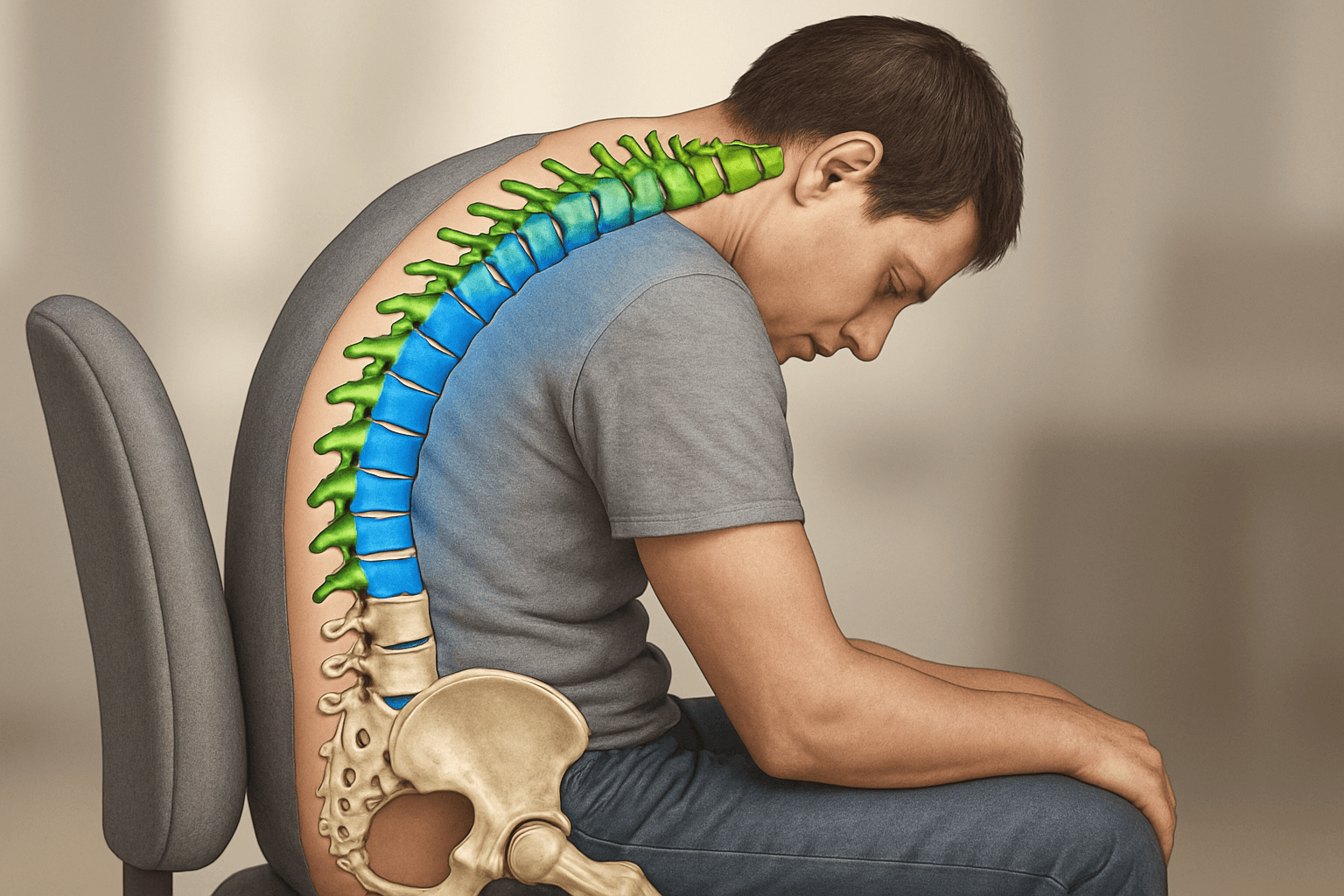
Understanding How Daily Habits Shape Spinal Health
Spinal health develops through accumulated daily choices. Small habits compound significantly over time. Understanding these habits helps identify improvement areas. Recognizing patterns supports more intentional daily choices. This awareness empowers better long-term spinal health. Small adjustments can yield meaningful cumulative benefit. Prioritizing this understanding benefits overall physical wellbeing.
Why Small Habits Matter More Than Occasional Efforts
Occasional good posture doesn't offset daily habits. Consistent small choices matter more significantly. This principle applies broadly to spinal health. Understanding this reality shifts focus appropriately. Daily consistency outweighs sporadic intensive effort. This perspective supports more sustainable habit formation. Prioritizing daily consistency yields better long-term results.
The Impact of Prolonged Sitting
Extended sitting places significant strain on the spine. This position often encourages slouched posture. Reduced movement also weakens supporting muscles. Understanding this impact motivates regular movement breaks. Taking breaks every hour helps significantly. This simple habit reduces cumulative spinal strain. Prioritizing movement breaks benefits long-term spinal health.
Practical Strategies for Reducing Sitting Strain
Setting reminders to stand periodically helps significantly. Using a standing desk part of the day works. Taking walking breaks during work matters too. Stretching during these breaks adds further benefit. These strategies require minimal additional time. Implementing them consistently yields meaningful improvement. Prioritizing these small changes protects spinal health.
Screen Time and Forward Head Posture
Phone and computer use often causes forward head posture. This position places substantial strain on neck muscles. The effect compounds with hours of daily use. Understanding this connection encourages mindful device use. Adjusting screen height reduces this strain significantly. Taking breaks from devices also helps meaningfully. Prioritizing this awareness protects neck and spinal health.
Adjusting Your Environment to Reduce Strain
Positioning screens at eye level helps significantly. Holding phones higher reduces neck flexion. Taking regular breaks from devices matters too. These environmental adjustments require minimal effort. Implementing them consistently yields noticeable improvement. Understanding their cumulative impact motivates consistent practice. Prioritizing these adjustments benefits daily postural health.
Sleep Position and Overnight Spinal Alignment
Sleep position significantly affects spinal alignment overnight. Poor positioning can create morning stiffness. Supportive mattresses and pillows matter significantly too. Understanding proper sleep posture benefits overall spinal health. This often-overlooked factor deserves genuine attention. Small adjustments to sleep setup yield meaningful improvement. Prioritizing this habit supports overnight spinal recovery.
Choosing Supportive Sleep Positions and Equipment
Side sleeping with proper pillow support often helps. Back sleeping with knee support also works well. Stomach sleeping typically strains the neck more. Understanding these differences guides better sleep choices. Consulting professionals can clarify personalized recommendations. This attention to sleep setup supports recovery significantly. Prioritizing this habit yields meaningful spinal benefits.
Footwear Choices and Their Spinal Impact
Footwear significantly influences overall body alignment. Unsupportive shoes can affect posture upward through the body. This connection surprises many people initially. Choosing supportive footwear benefits spinal health broadly. Understanding this relationship encourages thoughtful footwear choices. Small changes in footwear yield noticeable alignment benefits. Prioritizing this often-overlooked factor supports spinal health.
How Footwear Affects Whole-Body Alignment
Shoes affect how forces travel through the body. Poor support can create compensatory postural patterns. These patterns eventually affect spinal alignment significantly. Understanding this chain reaction clarifies footwear's importance. Choosing appropriate footwear for activities matters too. This attention supports better overall postural health. Prioritizing supportive footwear benefits long-term alignment.
Carrying Habits and Asymmetrical Strain
Carrying bags on one shoulder creates imbalance. This asymmetrical strain affects spinal alignment over time. Distributing weight evenly reduces this strain significantly. Understanding this habit's impact encourages better choices. Switching sides regularly also helps somewhat. This awareness protects against cumulative asymmetrical strain. Prioritizing balanced carrying habits benefits spinal health.
Stress and Its Physical Manifestation in Posture
Chronic stress often manifests as postural tension. Shoulders commonly rise and tighten under stress. This pattern can become habitual over time. Addressing stress supports better postural habits too. Understanding this mind-body connection matters significantly. Managing stress benefits both mental and spinal health. Prioritizing stress management supports comprehensive wellbeing.
Seeking Professional Guidance for Postural Habits
Understanding these habits benefits from professional insight. Many families seek guidance from langley family chiropractic through Peak Valley Active Health to address postural concerns. This professional assessment identifies specific contributing habits. Personalized guidance supports more effective habit changes. Prioritizing this professional partnership benefits long-term spinal health.
Final Thoughts on Daily Habits and Spinal Health
Daily habits significantly shape long-term spinal health. Sitting, screen use, and sleep all matter. Footwear and carrying habits also contribute meaningfully. Understanding these factors empowers better daily choices. Professional guidance supports comprehensive habit improvement. Prioritizing this awareness benefits your spinal health significantly. Small daily changes yield substantial long-term benefits.
 Deutsch
 English
 Arabic
 French
 Spanish
 Portuguese
 Turkish
 Dutch
Dutch
 Italiano
 Russian
 Romaian
 Portuguese (Brazil)
 Greek
Greek