


How to Support Mobility During the Recovery Process
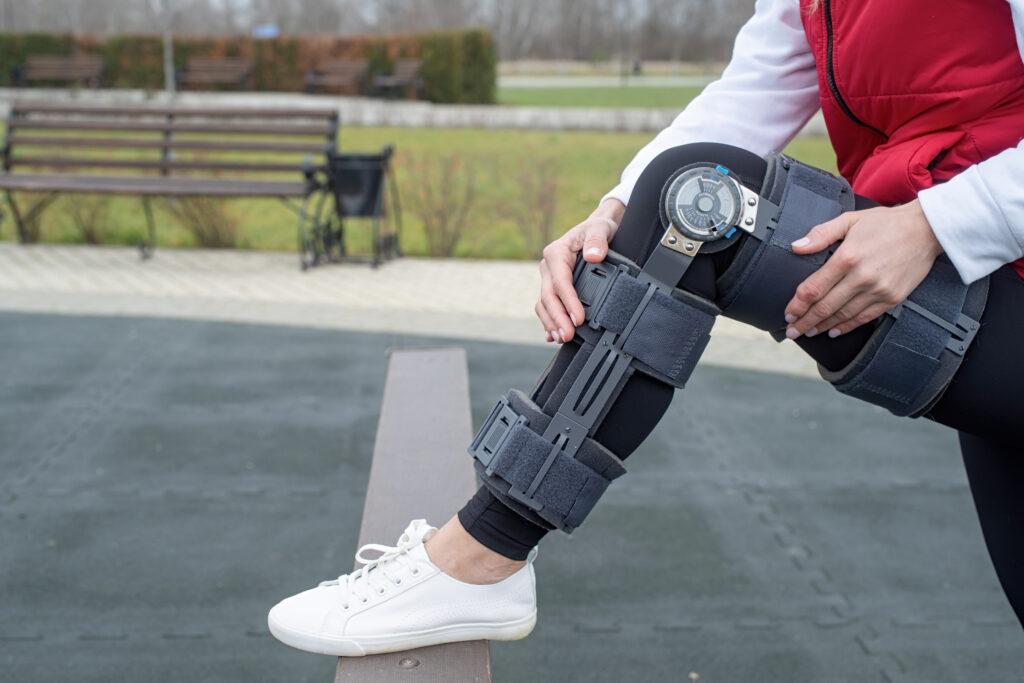
Maintaining and recovering mobility after a fracture is a significant challenge. Immobilization is necessary for bone healing but carries functional costs. Muscles weaken, joints stiffen, and movement patterns become altered during recovery. Addressing mobility proactively is essential throughout the entire healing process. Many patients focus solely on bone repair while neglecting functional preservation. This creates unnecessary functional deficits that take time to reverse after healing. A more effective approach integrates mobility support from the very beginning of recovery.
Understanding How Fracture Recovery Affects Mobility
Fractures disrupt mobility through several interconnected mechanisms simultaneously. Pain is the most immediate barrier to normal movement after injury. Immobilization devices restrict motion at and around the fracture site. This restriction is medically necessary but creates secondary impairments over time. Muscles surrounding the fracture atrophy rapidly during periods of reduced activity. Joint capsules tighten when joints are held in fixed positions for extended periods. Articular cartilage loses hydration when joints are not regularly moved. Nerve conduction patterns for movement become less efficient without regular use.
The extent of mobility impairment depends on fracture location and severity. Upper extremity fractures primarily affect reaching, gripping, and fine motor tasks. Lower extremity fractures most significantly affect walking, balance, and weight-bearing ability. Spinal fractures may affect posture, core stability, and general mobility broadly. Understanding which specific mobility components are affected guides targeted rehabilitation planning. Physicians and physical therapists assess each of these components individually at evaluation.
Why Early Mobility Support Matters Clinically
Early mobility support prevents the full extent of immobilization-related deficits. Adjacent joint mobility exercises can begin safely within days of injury. These exercises maintain the health of joints above and below the fracture. Isometric muscle contractions maintain muscle tone without stressing the fracture site. These techniques preserve function that would otherwise require extensive rehabilitation to rebuild. Less rebuilding required after immobilization means faster total return to full mobility. Early intervention is therefore one of the highest-impact recovery strategies available.
Physical Therapy as the Foundation of Mobility Recovery
Physical therapy is the primary professional tool for restoring fracture-related mobility. A skilled physical therapist assesses specific deficits caused by each fracture. They design individualized programs matching rehabilitation to the patient's healing stage. Sessions begin gently and progress systematically as healing advances. Range-of-motion exercises restore the full movement capability of affected joints. Strengthening exercises rebuild muscles that support and protect healing bone. These two components work together to produce functional, usable mobility.
Manual therapy techniques performed by physiotherapists address persistent stiffness effectively. Joint mobilization restores accessory movements essential for full pain-free function. These accessory movements are the gliding, rolling, and spinning within joint surfaces. Soft tissue massage reduces muscle tension and improves local circulation. Instrument-assisted soft tissue mobilization addresses post-surgical scar tissue restriction. These manual techniques create a more favorable tissue environment for exercise gains. Combining manual therapy with exercise produces the fastest mobility restoration outcomes.
Effective Fracture Treatment Integrating Mobility From the Start
Effective fracture management considers mobility preservation from the very first appointment. Structural stability must be achieved through appropriate immobilization or surgical fixation. However, the method of fixation significantly influences the potential for early mobility. Rigid plaster casting restricts more movement than functional fracture braces allow. Surgical fixation, when appropriate, often enables earlier and safer mobility introduction. Understanding this relationship helps patients appreciate why treatment decisions matter for mobility.
Fracture treatment approaches that incorporate mobility planning from the outset produce consistently better functional outcomes, particularly when rehabilitation begins in coordination with the initial medical management. Physicians who communicate actively with physical therapists ensure appropriate timing of mobility introduction. This interdisciplinary coordination prevents both premature loading and unnecessarily delayed rehabilitation. Patients benefit when their care team is aligned around both healing and mobility goals simultaneously.
Functional Fracture Bracing and Controlled Motion
Functional fracture braces represent an important innovation in mobility-preserving immobilization. These devices protect healing bone while allowing controlled joint movement. Controlled movement maintains muscle tone and joint health during the healing period. The Sarmiento brace for tibial fractures allows knee and ankle motion. Functional bracing for humeral shaft fractures allows elbow and shoulder movement. This controlled motion shortens the rehabilitation period required after formal healing. Patients using functional braces typically achieve better mobility outcomes than those in rigid casts.
Gait Rehabilitation for Lower Extremity Fractures
Returning to normal walking is the primary mobility goal for lower extremity fractures. Gait abnormalities develop during protected weight-bearing phases and persist without intervention. Compensatory movement patterns adopted to protect the fracture become habitual over time. Physical therapists analyze gait and identify specific abnormalities requiring correction. Treadmill training with controlled speed allows progressive loading during gait retraining. Parallel bars provide support during early ambulation training for balance confidence. Step-by-step progression from protected to full weight-bearing is carefully guided.
Stair negotiation is a critical mobility component that requires specific rehabilitation. Patients must safely navigate stairs to return to independent community living. The common instruction is leading with the uninjured leg when ascending stairs. When descending, the injured or weaker leg leads to protect the fracture. Progressive practice with supervision builds both competence and confidence at stairs. Outdoor terrain, curbs, and ramps are also practiced to ensure real-world mobility. Community ambulation training prepares patients for environments outside the clinical setting.
Upper Extremity Rehabilitation for Arm and Shoulder Fractures
Upper extremity fractures require rehabilitation addressing multiple functional movement patterns. Reaching, lifting, carrying, and fine motor tasks are all affected. Pendulum exercises for the shoulder begin early to prevent frozen shoulder development. Elbow range-of-motion exercises prevent the flexion contractures common after immobilization. Wrist and hand flexibility exercises address the stiffness that follows forearm immobilization. Grip strength training restores the fine motor function needed for daily tasks. Progressive resistance exercises rebuild the strength needed for functional overhead activities.
Activities of daily living training bridges the gap between exercise and real function. Occupational therapists specialize in restoring these practical daily activities. Task-specific practice, like typing after wrist fracture, accelerates functional recovery. Simulated kitchen tasks, dressing practice, and grooming activities are incorporated. The principle of task specificity states that practicing the target activity is most effective. This practical, functional approach produces the most meaningful mobility improvements for daily life.
Balance Training and Fall Risk Reduction
Balance impairment following lower extremity fractures creates significant fall risk. Proprioception, the sense of joint position, diminishes significantly during immobilization. Restoring proprioception requires targeted sensorimotor training incorporated into rehabilitation. Single-leg balance exercises challenge proprioceptive and vestibular systems together. Progressive difficulty is introduced using foam pads and unstable surfaces over time. Eyes-open and eyes-closed balance training challenges different sensory balance systems. Balance board training improves dynamic stability during movement-based functional activities. These balance exercises directly reduce the risk of falls and re-fracture occurrence.
Aquatic Therapy Benefits for Mobility Recovery
Aquatic therapy offers unique advantages for fracture mobility rehabilitation programs. Water buoyancy substantially reduces the load on healing joints and bones. Patients can exercise more effectively in water during early weight-bearing stages. Water resistance simultaneously strengthens muscles without requiring external added weights. Hydrostatic pressure reduces swelling and supports soft tissue healing throughout. Warm water relaxes muscles and increases tissue extensibility before stretching exercises. Gait training in water allows correct movement pattern practice before full land weight-bearing. Aquatic therapy builds strength, range of motion, and movement confidence simultaneously.
Long-Term Mobility Maintenance After Fracture Recovery
Mobility recovery extends beyond the formal rehabilitation period for many patients. Some degree of stiffness or weakness may persist well after formal discharge. Home exercise programs must continue consistently after clinic-based rehabilitation ends. Discontinuing all exercise after formal therapy ends leads to regression. Physical activity habits maintained post-recovery preserve the gains achieved in rehabilitation. Walking programs, swimming, cycling, and yoga all support long-term mobility maintenance. Patients should view ongoing physical activity as permanent, not temporary, throughout recovery.
Periodic reassessment by healthcare providers identifies lingering mobility limitations. These limitations can be addressed through additional targeted physical therapy sessions. Fall prevention programs remain relevant for elderly patients well into post-recovery life. Home modification assessments identify and address environmental mobility hazards. Assistive devices, when appropriate, are not signs of failure but tools for independence. Long-term mobility maintenance ultimately protects against future fracture events occurring. This forward-looking perspective transforms fracture recovery into a long-term health investment.
Supporting mobility during fracture recovery requires a proactive and multidimensional approach. Physical therapy, appropriate immobilization, gait training, and balance work all contribute. Early mobility support prevents the full accumulation of immobilization-related functional deficits. Upper and lower extremity fractures each require specific targeted mobility rehabilitation. Aquatic therapy and occupational therapy expand the rehabilitation toolkit significantly. Long-term mobility maintenance extends the benefit of recovery throughout the future. Patients who prioritize mobility throughout recovery return more completely to their lives.
 Spanish
 English
 Arabic
 French
 Portuguese
 Deutsch
 Turkish
 Dutch
Dutch
 Italiano
 Russian
 Romaian
 Portuguese (Brazil)
 Greek
Greek