


What Happens If You Stop Weight Loss Injections Suddenly?
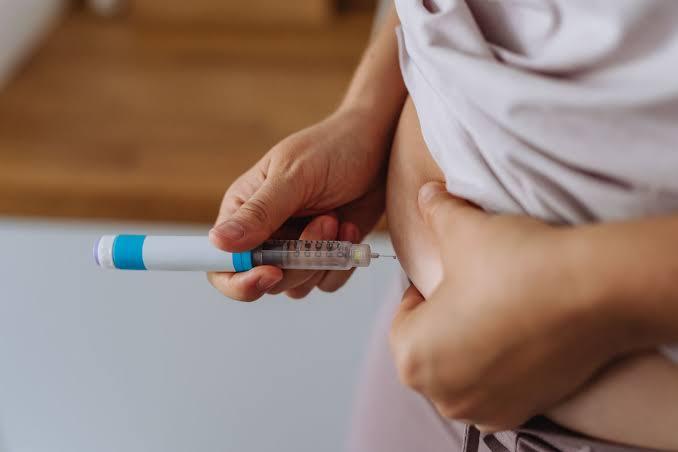
Stopping medical weight management treatments abruptly can raise many concerns, especially for patients using therapies like Weight Loss Injections in Riyadh, which are designed to regulate appetite, metabolism, and long-term energy balance under medical supervision. While these injections are effective for weight loss, discontinuing them suddenly can lead to biological and behavioral changes that may affect results if not managed properly.
Understanding How Weight Loss Injections Work:
Weight loss injections work by influencing hormones that control hunger, fullness, and glucose metabolism. They help reduce calorie intake and improve metabolic efficiency over time. Key mechanisms include:
- Appetite suppression through hormone regulation
- Slower digestion for prolonged satiety
- Improved insulin sensitivity
- Reduced cravings and food intake
These effects depend on continued hormonal support.
What Happens to Appetite After Stopping:
One of the first changes after stopping weight loss injections is a return of appetite signals. Since the medication no longer regulates hunger hormones, the body begins to revert to its previous state. Common effects include:
- Increased hunger and food cravings
- Reduced feelings of fullness after meals
- Stronger desire for high-calorie foods
- Return of habitual eating patterns
This can make weight maintenance more challenging.
Metabolic Changes After Discontinuation:
Weight loss injections often improve metabolism during use, but these effects may gradually diminish after stopping treatment. Key metabolic changes include:
- Decrease in insulin sensitivity improvements
- Slower metabolic rate compared to treatment phase
- Reduced fat-burning efficiency
- Return of previous metabolic patterns
These changes can influence long-term weight stability.
Risk of Weight Regain:
One of the most common concerns after stopping injections is weight regain. This happens because appetite and metabolism return to their baseline state. Key risks include:
- Gradual return of lost weight
- Increased calorie intake without medication support
- Reduced motivation to maintain strict diet
- Emotional or stress-related eating
This is why long-term planning is essential.
Hormonal Rebound Effects:
When weight loss injections are stopped suddenly, the body may experience hormonal rebound effects as it tries to restore previous balance. These may include:
- Increased ghrelin (hunger hormone) levels
- Decreased satiety hormone activity
- Changes in insulin regulation
- Increased cravings and appetite instability
These shifts can affect eating behavior significantly.
Psychological Effects of Stopping Treatment:
Stopping treatment can also have psychological effects, especially for individuals who relied on injections to control appetite. Common experiences include:
- Anxiety about weight regain
- Reduced confidence in eating control
- Increased focus on food and cravings
- Loss of structure in eating habits
Behavioral support becomes important during this phase.
Importance of Lifestyle Continuation:
Even after stopping injections, lifestyle habits play a crucial role in maintaining results. Patients who continue healthy routines are more likely to sustain weight loss. Essential habits include:
- Balanced and portion-controlled diet
- Regular physical activity
- Adequate sleep and hydration
- Stress management techniques
These habits help stabilize long-term outcomes.
Gradual vs Sudden Discontinuation:
Doctors often recommend gradual tapering rather than stopping abruptly to reduce rebound effects. Differences include:
- Gradual reduction helps stabilize appetite
- Sudden stopping may trigger stronger hunger rebound
- Tapering allows metabolic adjustment
- Medical supervision improves transition success
This approach reduces the risk of rapid weight regain.
Role of Medical Supervision:
Stopping weight loss injections should ideally be done under medical guidance to ensure safety and proper transition planning. Doctors may:
- Adjust dosage gradually
- Monitor weight and metabolic markers
- Provide dietary and behavioral guidance
- Recommend maintenance strategies
In structured programs like Weight Loss Injections in Riyadh, discontinuation is carefully managed.
Long-Term Weight Maintenance Challenges:
After stopping injections, maintaining weight loss becomes more dependent on lifestyle and behavior. Common challenges include:
- Increased hunger and cravings
- Reduced metabolic support
- Difficulty maintaining calorie deficit
- Return of old eating habits
These challenges highlight the importance of maintenance planning.
How to Prevent Weight Regain After Stopping:
Patients can reduce the risk of regaining weight by adopting structured strategies after discontinuation. Effective methods include:
- Gradual transition to lifestyle-only management
- Continued nutritional counseling
- Regular exercise routines
- Monitoring weight changes consistently
These strategies support long-term stability.
Who Is at Higher Risk of Regain:
Some individuals are more likely to regain weight after stopping injections due to biological or behavioral factors. Higher-risk groups include:
- Individuals with severe obesity history
- Patients with insulin resistance
- Those with inconsistent lifestyle habits
- People prone to emotional eating
Extra support is often needed for these patients.
Real-World Outcomes After Stopping:
Clinical experience shows that outcomes vary widely depending on lifestyle adherence and medical follow-up. Common patterns include:
- Some maintain weight loss successfully
- Others experience gradual regain
- Best outcomes seen with continued lifestyle support
- Maintenance phase is critical for success
Results depend heavily on post-treatment behavior.
Future Approaches to Prevent Discontinuation Effects:
Medical research is focusing on improving long-term weight maintenance after stopping injections. Future strategies may include:
- Longer-acting injectable formulations
- Maintenance-dose protocols
- AI-guided weight monitoring systems
- Combination behavioral and medical therapies
These advancements aim to reduce rebound weight gain.
Final Thoughts:
Stopping weight loss injections suddenly can lead to increased appetite, metabolic changes, and potential weight regain if not managed properly. However, these effects can be minimized with gradual discontinuation, medical supervision, and strong lifestyle habits. Treatments like Weight Loss Injections in Riyadh are most effective when viewed as part of a long-term strategy that includes ongoing behavioral support and sustainable lifestyle changes.
 English
 Arabic
 French
 Spanish
 Portuguese
 Deutsch
 Turkish
 Dutch
Dutch
 Italiano
 Russian
 Romaian
 Portuguese (Brazil)
 Greek
Greek