


Simplify Product Registration with SABER Experts: A Complete Guide for Saudi Importers
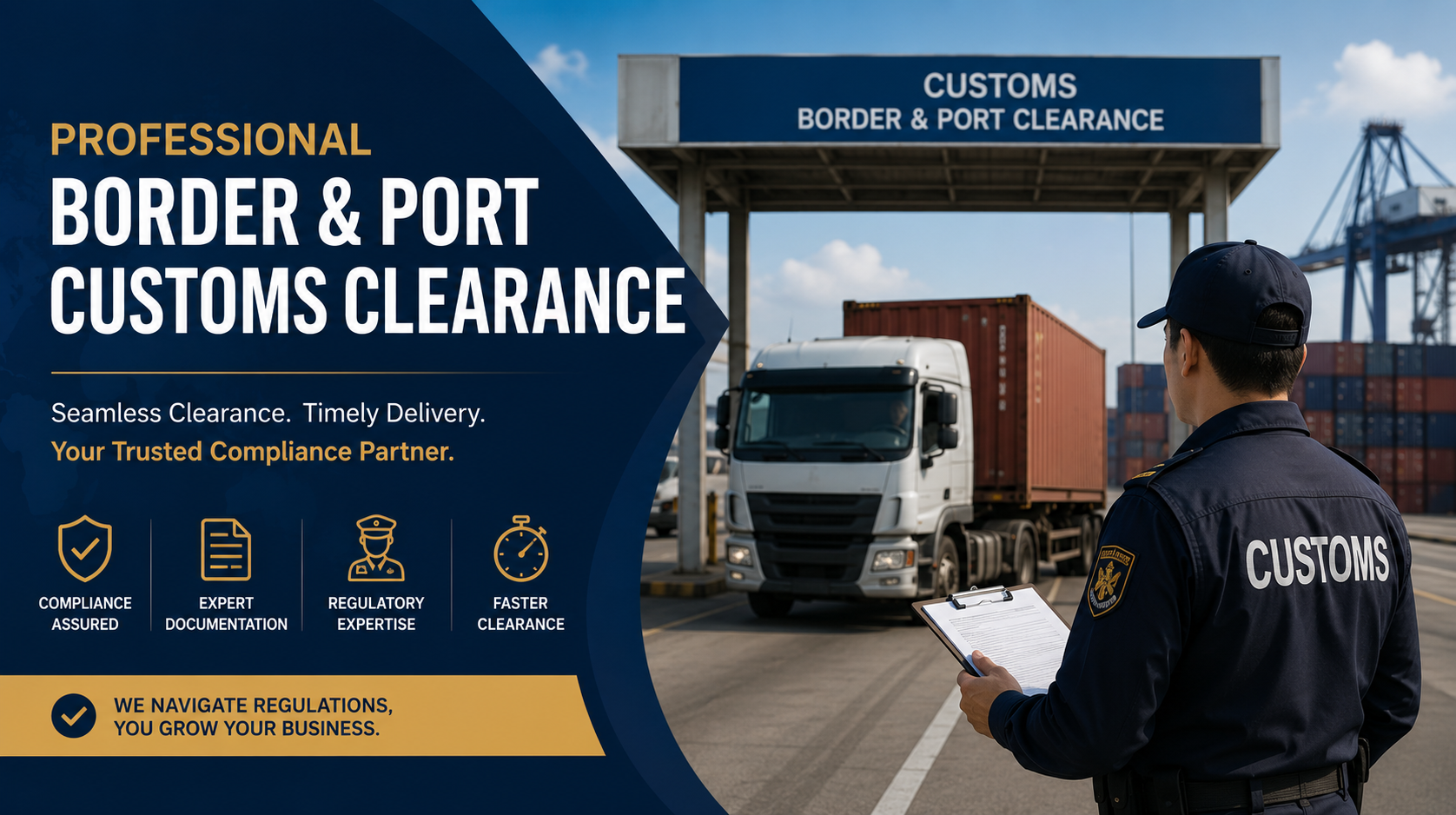
Importing products into Saudi Arabia requires careful preparation, especially when goods are subject to technical regulations and conformity requirements. Professional SABER support can simplify product registration, documentation, certification, and customs coordination, helping businesses prepare their shipments before they reach the border. This is particularly important for companies moving goods through major land routes such as khafji border Saudi Arabia, the Kingdom's only land crossing with the United Arab Emirates, which plays an important role in Saudi-UAE freight and trade.
What Is SABER?
SABER is Saudi Arabia's electronic platform for product conformity and shipment compliance. It provides a digital process through which importers can register applicable products and obtain the relevant conformity documentation required for regulated goods.
For businesses importing into Saudi Arabia, understanding SABER requirements before shipping can help reduce compliance problems and avoid unnecessary interruptions during customs clearance.
Professional SABER experts can assist with:
-
Product registration
-
Product classification
-
Technical regulation identification
-
Conformity assessment
-
Product certification
-
Shipment certification
-
Documentation review
-
Compliance guidance
Why Product Registration Matters
Product registration is an important part of preparing regulated goods for the Saudi market. Importers need to provide accurate information about their products and ensure that the required technical and compliance documentation is available.
Proper preparation can help businesses:
-
Reduce customs delays
-
Avoid documentation errors
-
Improve regulatory compliance
-
Speed up shipment processing
-
Reduce unexpected costs
-
Maintain smoother supply chain operations
Instead of dealing with complex compliance requirements alone, businesses can work with experienced professionals who understand product registration procedures.
Understanding SABER Product Compliance
SABER compliance generally involves identifying the product, determining applicable technical requirements, completing the necessary conformity assessment, and obtaining the relevant certificates.
The process may involve:
-
Product identification
-
HS Code classification
-
Technical regulation verification
-
Document preparation
-
Conformity assessment
-
Product certification
-
Shipment certification
The exact requirements depend on the product category and applicable Saudi technical regulations.
Importance of HS Code Classification
The HS Code is one of the most important pieces of information in international trade. It identifies the category of a product and can influence customs duties, import restrictions, and applicable technical requirements.
Incorrect classification may cause:
-
Wrong certification requirements
-
Customs delays
-
Incorrect duty calculations
-
Additional inspections
-
Compliance issues
SABER specialists can help importers review product information and classification before beginning the registration process.
Product Certificate of Conformity
For applicable regulated products, a Product Certificate of Conformity (PCoC) demonstrates that the product has fulfilled the relevant conformity requirements.
The process can involve reviewing:
-
Product specifications
-
Technical documentation
-
Test reports
-
Manufacturer information
-
Applicable standards
-
Product identification
Maintaining the appropriate product certification helps businesses prepare for subsequent shipment compliance.
Shipment Certificate of Conformity
Product-level compliance and shipment-level compliance are separate aspects of the import process. Where required, a Shipment Certificate of Conformity (SCoC) is associated with a specific shipment.
Shipment information should match the relevant product and commercial documentation to minimize discrepancies during customs processing.
SABER Documentation Requirements
Accurate documentation is essential for successful product registration.
Depending on the product, documents may include:
-
Commercial Invoice
-
Product specifications
-
Technical data sheets
-
Test reports
-
Product photographs
-
Manufacturer details
-
Certificate of Origin
-
Declaration of Conformity
-
Packaging information
-
Labeling details
Any inconsistency between documents can create additional review requirements and potentially delay the import process.
Batha Border Saudi Arabia and Product Imports
The Al-Batha Border is located in Saudi Arabia's Eastern Province and is the land port connecting Saudi Arabia with the UAE. It is an important route for road-based movement of goods between the two countries.
For businesses transporting regulated products from the UAE into Saudi Arabia, product compliance should be addressed before cargo reaches the border. Proper preparation of certification and customs documentation can make the overall import process more organized.
Al-Batha also connects with major Saudi road networks, supporting onward transportation toward destinations within the Kingdom.
SABER and Customs Clearance
SABER compliance and customs clearance are closely connected when importing regulated products. Completing required product and shipment certification in advance helps businesses prepare the documentation needed for the customs stage.
A coordinated approach can include:
-
Product registration
-
Certificate management
-
Customs documentation
-
HS Code verification
-
Freight coordination
-
Border clearance
-
Cargo release
Combining compliance and customs planning gives importers better control over their supply chain.
Importing Goods from the UAE to Saudi Arabia
The Saudi-UAE land trade corridor is particularly important for road freight. Al-Batha is the Saudi-side land crossing connecting the UAE with Saudi Arabia.
Businesses moving goods along this route should consider their complete import process before dispatching cargo. This includes:
-
Product compliance
-
Commercial documentation
-
Customs requirements
-
Transportation planning
-
Border procedures
-
Shipment certification
Early preparation can help reduce the risk of documentation-related disruptions.
Common SABER Registration Challenges
Importers may encounter several challenges during product registration, including:
Incorrect Product Information
Differences between product descriptions, invoices, technical documents, and registration information can cause additional reviews.
Incorrect HS Code
An incorrect HS Code can result in inappropriate technical requirements or customs complications.
Missing Technical Documents
Certain products require test reports, specifications, or other supporting documentation.
Unclear Regulatory Requirements
Different products may be subject to different technical regulations, making professional guidance valuable.
Shipment and Product Information Mismatch
The information on shipment documents should be consistent with registered product details and applicable certificates.
How SABER Experts Simplify the Process
Professional SABER experts can manage the administrative and technical aspects of product compliance.
Their support may include:
Product Assessment
Reviewing the product category and available documentation.
Classification Support
Helping identify the appropriate product classification and relevant requirements.
Documentation Review
Checking technical and commercial documents for completeness and consistency.
Certification Coordination
Supporting conformity assessment and the relevant certification process.
Shipment Preparation
Helping ensure shipment information is ready for the customs stage.
This end-to-end approach can save businesses time and reduce avoidable compliance problems.
Benefits of Professional SABER Services
Working with experienced compliance professionals can provide several advantages:
-
Expert regulatory guidance
-
Accurate documentation
-
Better product classification
-
Reduced compliance risks
-
Faster preparation
-
Improved customs coordination
-
Easier shipment management
-
Better supply chain visibility
Professional support is particularly valuable for businesses importing multiple products or entering the Saudi market for the first time.
Industries That Can Benefit
SABER-related compliance services can be relevant to businesses operating in many sectors, including:
-
Electronics
-
Electrical equipment
-
Automotive
-
Construction materials
-
Machinery
-
Consumer products
-
Industrial equipment
-
Children's products
-
Textiles
-
Household products
The specific requirements depend on the product and applicable technical regulations.
Best Practices for Product Registration
Businesses can make the registration process more efficient by following several best practices:
-
Start product compliance preparations early.
-
Verify HS Codes before shipment.
-
Keep technical documents updated.
-
Ensure product descriptions are consistent.
-
Check applicable technical regulations.
-
Maintain valid test reports.
-
Complete required registration before dispatch.
-
Coordinate SABER and customs activities.
-
Review shipment information carefully.
These practices can reduce the possibility of avoidable delays.
Technology and Digital Compliance
Digital compliance platforms have made product registration more structured and transparent. Electronic registration and certificate management allow businesses to organize product information and supporting documents more efficiently.
Digital processes also make it easier for importers and their compliance partners to monitor certification status and prepare shipment documentation.
Why Choose SABER Experts?
Experienced SABER specialists provide more than registration assistance. They help businesses understand the relationship between product compliance, certification, customs clearance, and logistics.
A reliable compliance partner should offer:
-
Saudi regulatory knowledge
-
Product certification expertise
-
Documentation support
-
Customs awareness
-
Technical compliance guidance
-
Shipment coordination
-
Responsive customer service
This integrated approach helps importers manage the complete journey from product registration to customs release.
Conclusion
Simplifying product registration requires proper planning, accurate documentation, and a clear understanding of Saudi product compliance requirements. Professional SABER experts can help businesses manage product registration, conformity assessment, certification, and shipment preparation while reducing administrative complications.
For companies importing goods from the UAE, understanding the requirements before cargo reaches khafji border Saudi Arabia is especially important because Al-Batha serves as the Saudi land gateway to the UAE and supports significant road-based trade between the two countries. By combining SABER expertise with customs clearance, freight forwarding, and border logistics support, businesses can create a smoother import process and confidently bring compliant products into the Saudi market.
 Romaian
 English
 Arabic
 French
 Spanish
 Portuguese
 Deutsch
 Turkish
 Dutch
Dutch
 Italiano
 Russian
 Portuguese (Brazil)
 Greek
Greek