

Alopecia Areata Treatment Insights for a Healthier Approach to Hair Care
Alopecia areata is an autoimmune condition that can cause sudden, patchy hair loss when the immune system mistakenly affects hair follicles. Understanding the condition can help people make informed choices about scalp and hair care. Alopecia Areata Treatment in Riyadh may involve different approaches depending on the extent of hair loss, affected areas, duration, and individual treatment response.
The condition can affect the scalp, eyebrows, eyelashes, beard, and other areas where hair grows. Because alopecia areata is generally non-scarring, the follicles may remain capable of producing new hair. However, regrowth can vary between individuals, and recurring patches may develop. Alopecia Areata Treatment in Riyadh therefore focuses on evaluating the condition carefully and selecting suitable care rather than following one approach for everyone.
Recognizing Common Hair Changes
Patchy Hair Loss
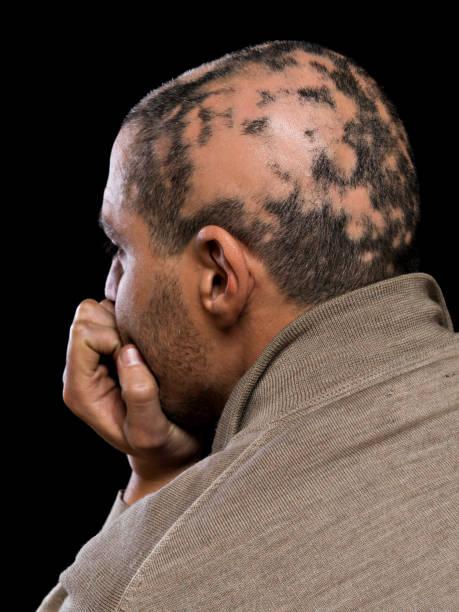
Alopecia areata commonly appears as smooth, round or oval areas of missing hair. These patches may remain limited or become larger over time.
Changes Beyond the Scalp
Hair loss can sometimes involve eyebrows, eyelashes, beard hair, or other body hair. Noticing changes in multiple areas can provide useful information during a professional assessment.
Building a Healthier Hair Care Routine
Use Gentle Hair Care
Gentle washing and brushing can help minimize unnecessary stress on existing hair. Choose suitable hair-care products and avoid aggressive brushing, pulling, or excessive manipulation of fragile areas.
Avoid Excessive Styling Stress
Tight hairstyles can place repeated tension on hair, while frequent heat styling, bleaching, and harsh chemical treatments may weaken the hair shaft. Limiting these practices can support better overall hair care.
Protect the Scalp
Areas affected by hair loss may have less natural protection from sunlight. Wearing appropriate head protection and using sunscreen on exposed scalp skin can help protect these areas during outdoor activities.
Understanding Professional Treatment Options
Topical Treatments
Depending on the severity and location of hair loss, a dermatologist may recommend topical medications such as corticosteroids. These treatments are intended to reduce inflammation around affected follicles and should be used according to professional instructions.
Localized Injections
For certain localized patches, corticosteroid injections may be considered. They deliver treatment directly into affected areas and may be repeated when clinically appropriate.
Systemic and Targeted Therapies
People with more extensive or persistent hair loss may be evaluated for systemic or targeted treatments. Certain JAK inhibitors are among the therapies that may be considered for suitable patients after reviewing their medical history, treatment needs, potential risks, and monitoring requirements.
Supporting Hair Health Through Daily Habits
Maintain Balanced Nutrition
A varied and balanced diet provides nutrients needed for normal hair and skin function. However, dietary supplements are not a cure for alopecia areata. Testing may be appropriate when a nutritional deficiency is suspected.
Manage Scalp Irritation
Keeping the scalp comfortable can support a healthy hair-care routine. Avoid products or practices that cause persistent irritation, burning, or excessive dryness.
Monitor Changes Regularly
Tracking new patches and areas of regrowth can help identify changes over time. Periodic photographs can also provide a useful visual record when taken under similar lighting and conditions.
Understanding the Regrowth Process
Hair May Regrow Gradually
When follicles recover their normal activity, new hairs may first appear thin, fine, or lighter in color. With time, they may become thicker and more pigmented.
Recurrence Can Occur
Alopecia areata can return after periods of improvement. Continued awareness of scalp and hair changes can help people seek professional guidance if new patches appear.
Creating an Individualized Hair Care Plan
A healthier approach to hair care involves combining gentle daily habits with appropriate professional management. The right strategy depends on the pattern of hair loss, disease activity, previous episodes, treatment response, and overall health. Alopecia Areata Treatment in Riyadh may include observation, topical medications, injections, systemic therapies, or targeted options when appropriate.
Book an Appointment
If you are experiencing patchy hair loss or changes in scalp coverage, professional evaluation can help identify the condition and guide suitable care. At Royal Clinic Saudi, a specialist can assess your hair and scalp concerns and explain personalized treatment options while helping you establish a healthier approach to ongoing hair care.
FAQs
Is alopecia areata caused by poor hair care?
No. It is an autoimmune condition and is not simply caused by improper hair care.
Can gentle hair care prevent alopecia areata?
Gentle care can protect existing hair but cannot prevent the autoimmune condition itself.
Can alopecia areata hair grow back naturally?
Yes, some people experience spontaneous regrowth, although results vary.
Should I see a specialist for sudden patchy hair loss?
Yes. Professional assessment can help confirm the cause and guide appropriate care.
 Dutch
Dutch
 English
 Arabic
 French
 Spanish
 Portuguese
 Deutsch
 Turkish
 Italiano
 Russian
 Romaian
 Portuguese (Brazil)
 Greek
Greek