


Why Rewilding Matters: What Fiction Can Teach Us About Protecting Nature
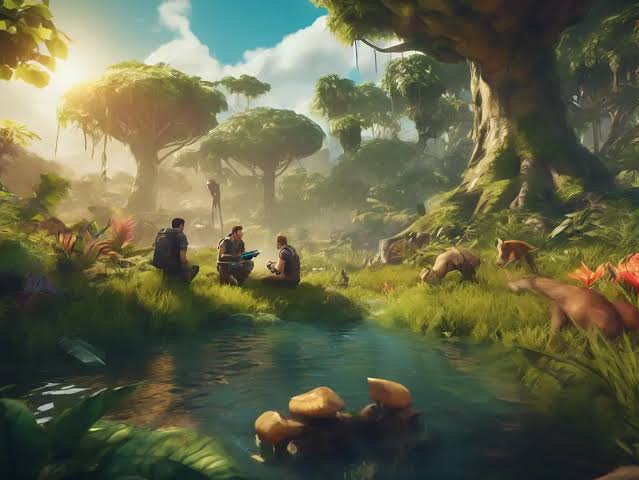
Nature has a way of finding life in unexpected places. A neglected field can become filled with wildflowers. Birds can return to areas where suitable habitat has been restored. Bees and butterflies can appear when native plants are given space to grow. These changes may seem small, but they show how much life can return when nature has the right conditions.
This is the idea behind rewilding. Rather than trying to control every part of a landscape, rewilding gives natural ecosystems more room to recover. It can involve restoring grasslands, protecting wetlands, planting native species, reducing pesticide use, and creating safer spaces for wildlife. It also encourages people to think differently about the land around them.
These ideas have found a place in fiction as well. The Solstice Secret, a fantasy novel by Valerie Walker, connects imaginative storytelling with themes surrounding nature, wildlife, and rewilding. The book offers readers an opportunity to think about the relationship between people and the natural world while enjoying a fictional story.
What Makes Rewilding Important?
Across the world, natural landscapes have changed as communities have grown. Forests have been cleared, wetlands have been drained, grasslands have been developed, and green spaces have been divided by roads and buildings. These changes can leave animals with fewer places to find food, shelter, and safe areas for reproduction.
Rewilding provides one way to help natural areas recover. The process can look different depending on the location. In one place, it might mean restoring a grassland. In another, it could involve planting native trees or protecting a wetland. A community garden might create space for pollinators, while a park could allow part of its land to grow with less intensive maintenance.
The goal is not to make every landscape completely wild. It is to create healthier relationships between people and nature.
A healthy ecosystem contains many connected forms of life. Plants provide food for insects. Insects become food for birds and other animals. Trees provide shelter and nesting places. Soil organisms help plants grow. Water supports plants, insects, amphibians, birds, and mammals.
When one part of this system disappears, other species can feel the effects. Restoring habitat gives these relationships a better chance to develop again.
Rewilding and Wildlife
Protecting wildlife means protecting the places where animals live. An endangered species cannot thrive without food, water, shelter, and suitable breeding grounds.
This is why natural habitats are so closely connected with conservation. A meadow can support bees, butterflies, birds, and small mammals. A woodland can provide food and shelter for many species. A healthy pond can support amphibians, insects, and birds.
Even small areas can provide useful habitat. A garden planted with native flowers can give pollinators a source of nectar. Shrubs can provide shelter for birds. A small pond can support insects and amphibians. When several small spaces exist near one another, they can form a network that gives wildlife more opportunities to move and feed.
Rewilding therefore has a local side that is easy to overlook. It does not always begin in a huge nature reserve. It can begin in a garden, park, schoolyard, or community space.
The Importance of Native Plants
Native plants are closely connected to the ecosystems in which they naturally grow. Local insects may rely on certain plants for food, while birds and other animals may depend on the insects, seeds, berries, and shelter those plants provide.
Adding native flowers, grasses, shrubs, and trees can make gardens and public spaces more useful to wildlife. It can also create a landscape with different colours, textures, and flowering periods throughout the year.
This does not mean a garden needs to look untidy. Native plants can be arranged in attractive ways while still providing food and shelter for local species. Reducing unnecessary pesticide use and allowing some plants to grow naturally can also give insects and other small creatures more opportunities to survive.
These simple choices can help people develop greater environmental awareness. Once we begin noticing the plants and animals around us, familiar places can seem very different.
What Fiction Can Teach Us About Nature
Facts can tell us why conservation matters, but stories can make environmental subjects easier to connect with emotionally. A fantasy novel can place readers in a world where forests, animals, plants, and landscapes have a central place in the story.
This is one reason environmental fantasy can be an interesting way to discuss nature. A fictional landscape can make readers think about real forests, parks, fields, and gardens. It can encourage questions about what happens when natural spaces disappear and what might happen when they are restored.
The Solstice Secret by Valerie Walker connects fantasy with ideas surrounding rewilding, native plants, wildlife, and conservation. The environmental themes associated with the book give readers another way to think about the value of natural spaces.
For readers interested in nature fantasy, the book also shows how environmental ideas can exist alongside imagination and storytelling. Nature does not have to be presented as a scientific subject alone. It can be part of a story that encourages curiosity about the world outside the pages.
Rewilding Can Start Close to Home
People do not need a large piece of land to support nature. A few native flowers on a balcony can provide food for bees. A backyard can offer shelter for birds and insects. A school can create a small wildlife garden. A local community can protect a patch of green space.
Learning about local species is another simple starting point. Knowing which plants grow naturally in an area and which birds, insects, and animals depend on them can change the way people see ordinary green spaces.
The ideas connected with The Solstice Secret can encourage this kind of curiosity. A story can make us notice something we might otherwise overlook, a wildflower beside a path, a butterfly in a garden, or birds returning to a restored habitat.
Giving Nature a Chance
Rewilding is based on a simple thought: nature can recover when given suitable conditions and enough space. A damaged landscape may not return to exactly what it once was, but it can become a healthier home for plants and animals.
That message fits naturally with the environmental themes found in The Solstice Secret. Valerie Walker uses the possibilities of fantasy to connect readers with ideas about wildlife, native plants, conservation, and the natural world.
Fiction cannot solve environmental problems by itself, but it can change the way we look at them. A good story can make us curious. It can make a familiar landscape feel worth noticing. It can remind us that nature is not somewhere far away—it is present in the spaces around us.
Rewilding begins when we give those spaces room to support life. Sometimes, protecting nature starts with something as simple as paying attention.
 Deutsch
 English
 Arabic
 French
 Spanish
 Portuguese
 Turkish
 Dutch
Dutch
 Italiano
 Russian
 Romaian
 Portuguese (Brazil)
 Greek
Greek