


Armor Hoodie: A Practical Guide to Features, Fit and Use
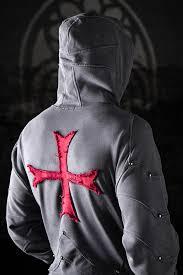
An Armor hoodie is generally understood as a hoodie designed with a stronger, more structured, or protective appearance than a standard casual sweatshirt. Depending on the product, the name may describe its visual design, construction, protective features, or simply a particular clothing collection. Because products using the term can differ considerably, buyers should examine the exact specifications before making a purchase.
The right Armor hoodie can be useful for people who want a combination of everyday comfort and a more substantial appearance. Some versions may focus mainly on fashion, while others can be designed for outdoor activities or specialized use. Understanding the difference is important because a stylish hoodie should not automatically be treated as protective equipment.
What Is an Armor Hoodie?
An armor hoodie is a hooded garment that may incorporate design elements inspired by protective clothing. Depending on the specific product, these can include reinforced panels, heavier fabrics, structured sections, padded areas, or protective inserts.
However, the word "armor" does not by itself establish that a hoodie provides certified protection. A product intended for motorcycle riding, workplace protection, or another high-risk activity should be evaluated according to its stated safety standards and protective specifications.
For ordinary casual clothing, the term may simply refer to the garment's visual character. This distinction is important when deciding how and where the hoodie should be worn.
Understanding the Main Materials
Material selection affects comfort, durability, weight, flexibility, and maintenance.
Cotton
Cotton is commonly used in casual hoodies because it provides a soft and comfortable feel. It can work well for everyday wear and mild weather.
Cotton is not inherently protective against impact or abrasion. If a product is marketed for a specialized activity, buyers should look for specific information about protective materials rather than assuming cotton provides safety benefits.
Polyester
Polyester is frequently used in performance clothing because it is durable, relatively lightweight, and generally dries faster than cotton.
Some protective or outdoor garments use polyester fabrics with additional construction features. The exact performance depends on the fabric specification and garment design.
Blended Fabrics
Cotton-polyester blends combine characteristics of both fibers. They may provide a balance of comfort, durability, and shape retention.
The percentage of each material matters. Buyers should check the product's composition rather than relying on general descriptions.
Specialized Protective Materials
Some garments intended for specific activities may include abrasion-resistant textiles, padding, or removable protective inserts. These features should be clearly described by the manufacturer.
If a hoodie claims to provide protection, check whether the protective components are certified for the intended activity and whether they meet the relevant safety standard.
Armor Hoodie Design and Construction
A hoodie designed with a stronger or protective appearance may include several construction details worth examining.
Reinforced Panels
Additional fabric layers can increase durability in specific areas. However, reinforcement does not automatically mean that the garment is certified protective equipment.
Padding
Some hoodies may include padded sections around areas such as the shoulders, elbows, or back. Padding can improve impact absorption in certain designs, but its effectiveness depends on the material, thickness, placement, and applicable certification.
Zippers and Closures
High-quality zippers should operate smoothly and remain securely attached. If the garment is intended for active use, closures should not interfere with movement.
Seams
Strong seams are important for any garment that experiences regular movement. Examine areas around the shoulders, sleeves, pockets, and reinforced sections for consistent stitching.
Choosing the Right Fit
Fit is especially important when a hoodie contains additional layers, padding, or protective inserts.
Regular Fit
A regular fit provides a balanced amount of room and works well for everyday use. It can also make layering easier when the garment is not heavily padded.
Relaxed Fit
A relaxed fit provides additional space for movement. It can be useful for outdoor activities or casual wear where freedom of movement is important.
Close Fit
A closer fit may be suitable when the garment is designed to remain stable during movement. However, it should never restrict normal breathing, arm movement, or circulation.
When shopping online, compare chest, shoulder, sleeve, and body measurements with a garment you already own. If protective inserts are included, also consider the additional space they require.
How to Choose an Armor Hoodie for Its Intended Purpose
The intended use should determine what features matter most.
Everyday Casual Wear
For ordinary use, comfort, fabric quality, fit, appearance, and easy maintenance are usually the main considerations. Heavy protective features may be unnecessary if the hoodie is primarily a fashion garment.
Outdoor Activities
For outdoor use, consider weather conditions, fabric durability, ventilation, pockets, and mobility. A lightweight construction may be preferable for activities involving considerable movement.
Motorcycle or High-Risk Activities
A hoodie marketed for motorcycle or other high-risk use should not be judged by appearance alone. Look for documented information about abrasion resistance, impact protectors, certification, and the areas of the body covered.
A casual hoodie with decorative armor-style panels should not be assumed to offer the same protection as certified protective equipment.
Practical Benefits and Key Insights
An appropriately selected armor-style hoodie can offer several practical benefits.
Distinctive appearance: Structured panels and protective-inspired details can create a stronger visual style than a conventional sweatshirt.
Comfort: A suitable fabric and well-designed fit can make the garment comfortable for extended wear.
Versatility: Some lightweight designs can be worn alone or layered with other clothing.
Durability: Reinforced construction can improve resistance to ordinary wear when the garment is designed for that purpose.
Functional features: Pockets, adjustable hoods, secure closures, and removable components can make a garment more useful.
The actual benefits depend on the construction of the specific product. Marketing terminology should not replace technical specifications.
Common Challenges and Considerations
Excessive Weight
Additional panels, padding, or heavy materials can make a hoodie noticeably heavier than a conventional sweatshirt. Consider whether the added weight is useful for your intended activity.
Restricted Movement
Poorly designed padding or an incorrect size can make arm and shoulder movement uncomfortable. Try the garment on with the layers you expect to wear underneath.
Heat and Ventilation
Thicker fabrics can retain more heat. If the garment is intended for physical activity, ventilation and moisture management become important considerations.
False Assumptions About Protection
The most important issue is understanding what the garment is actually designed to do. A hoodie described as armor-inspired is not necessarily protective equipment.
Look for clear certification and testing information if safety is the reason for purchase.
Maintenance
Specialized fabrics, removable protectors, and coated materials may require different cleaning methods from ordinary cotton sweatshirts. Follow the manufacturer's instructions carefully.
How to Care for an Armor Hoodie
Start by reading the care label. Different materials can have different washing requirements.
If the hoodie contains removable inserts, remove them if the instructions recommend doing so before washing. Avoid excessive heat unless specifically permitted because high temperatures can affect certain synthetic fabrics, coatings, elastic components, or printed designs.
Store the garment in a dry place. If it contains removable protective components, inspect them periodically for signs of damage or deterioration according to the manufacturer's guidance.
Frequently Asked Questions
1. What is an Armor hoodie?
An Armor hoodie is a hooded garment that may feature protective-inspired styling, reinforced construction, padding, or specialized materials. The exact features depend on the individual product.
2. Does an Armor hoodie provide real protection?
Not necessarily. The term "armor" alone does not prove that a hoodie is protective equipment. For safety-critical applications, check the product's documented testing and certification.
3. How should an Armor hoodie fit?
It should allow comfortable movement without being excessively loose or restrictive. If it contains protective inserts, make sure there is enough room for them to sit correctly.
4. Is an Armor hoodie suitable for everyday wear?
Some designs are primarily casual clothing and can be worn like a normal sweatshirt. Heavier or specialized versions may be more appropriate for specific activities.
5. What should I check before buying one?
Check the fabric, measurements, weight, construction, protective components, certifications if applicable, care instructions, and return policy. These details provide a better basis for comparison than appearance alone.
Conclusion
An Armor hoodie can refer to anything from a fashion-focused sweatshirt with protective-inspired styling to a specialized garment incorporating reinforced materials or protective components. The exact purpose must therefore be established from the product's specifications.
For everyday wear, prioritize comfort, fit, fabric, construction, and maintenance. If the hoodie is intended for a safety-related activity, examine its technical specifications and relevant certifications rather than relying on the word "armor."
A thoughtful buying decision starts with understanding what the garment is actually designed to do. By comparing materials, measurements, construction, features, and intended use, buyers can select an armor-style hoodie that better matches their practical requirements.
 Turkish
 English
 Arabic
 French
 Spanish
 Portuguese
 Deutsch
 Dutch
Dutch
 Italiano
 Russian
 Romaian
 Portuguese (Brazil)
 Greek
Greek