


Hair Transplant vs Hair Loss Medication: What Works Best
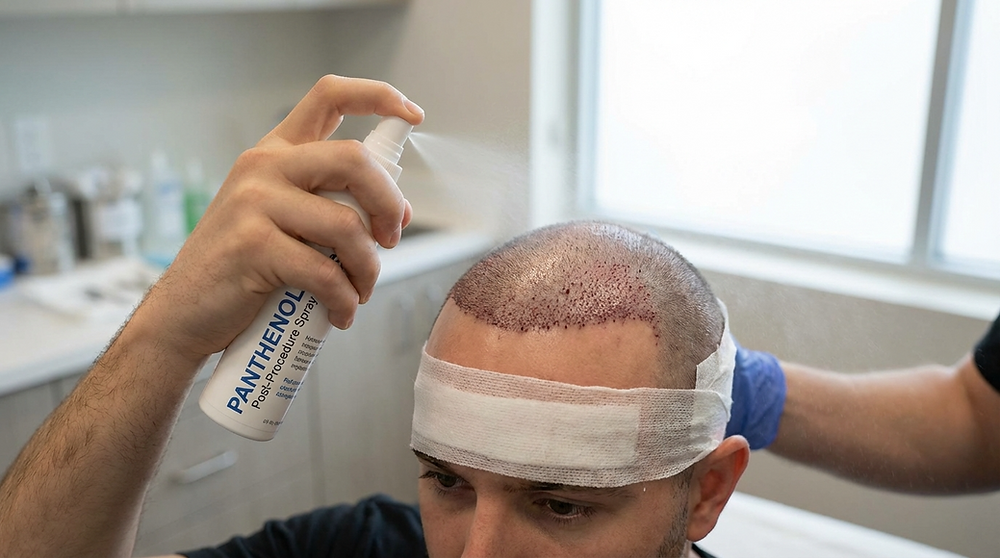
When it comes to treating hair loss, most people compare two main approaches: hair transplant surgery riyadh and hair loss medications. Both can be effective, but they work in very different ways and are suited for different stages of hair loss.
Understanding the Two Treatments
Hair Transplant (Permanent Restoration)
A hair transplant is a surgical procedure where healthy hair follicles are moved from a donor area (usually the back of the scalp) to thinning or bald areas. The transplanted hair continues to grow naturally for life.
It is most commonly used for genetic hair loss such as Androgenetic Alopecia.
Hair Loss Medication (Non-Surgical Control)
Medications aim to slow down hair loss, strengthen existing hair, and in some cases regrow thinning hair.
Common options include:
- Minoxidil
- Finasteride
These treatments do not relocate hair; they work by preserving or reactivating existing follicles.
Key Differences: Hair Transplant vs Medication
1. Purpose
- Hair transplant: Restores lost hair permanently
- Medication: Slows hair loss and improves thinning areas
2. Results Timeline
- Transplant: Visible growth in 3–6 months, final results in 12–18 months
- Medication: Requires continuous use; results appear in 3–6 months but stop if discontinued
3. Permanence
- Transplant: Long-term, permanent transplanted hair
- Medication: Temporary effect; hair may fall again after stopping
4. Coverage
- Transplant: Best for bald patches or receding hairlines
- Medication: Best for early-stage thinning or diffuse hair loss
5. Cost
- Transplant: Higher upfront cost but one-time procedure
- Medication: Lower cost initially but ongoing lifelong expense
6. Side Effects
- Transplant: Mild swelling, scabbing, temporary shedding
- Medication: Possible scalp irritation (Minoxidil), or hormonal side effects (Finasteride in some cases)
Which One Works Best?
There is no single “best” option—it depends on your stage of hair loss:
Medication is better if you:
- Are in early stages of hair thinning
- Want to slow down hair loss
- Still have good hair density
- Prefer non-surgical treatment
Hair transplant is better if you:
- Have visible bald areas
- Have stable, long-term hair loss
- Have enough donor hair
- Want a permanent cosmetic improvement
Best Long-Term Strategy (Most Important Insight)
In many real-world cases, the best results come from combining both:
- Medication helps preserve existing hair
- Transplant restores lost hair permanently
This combination improves density and helps maintain long-term results.
Final Verdict
- Medication = Prevention + maintenance
- Hair transplant = Restoration + permanent coverage
If hair loss is still progressing, medication is usually the first step. If the loss is already advanced, a transplant becomes the more effective solution.
 Dutch
Dutch
 English
 Arabic
 French
 Spanish
 Portuguese
 Deutsch
 Turkish
 Italiano
 Russian
 Romaian
 Portuguese (Brazil)
 Greek
Greek