


How to Build a Luxurious Living Room Without Overcrowding It
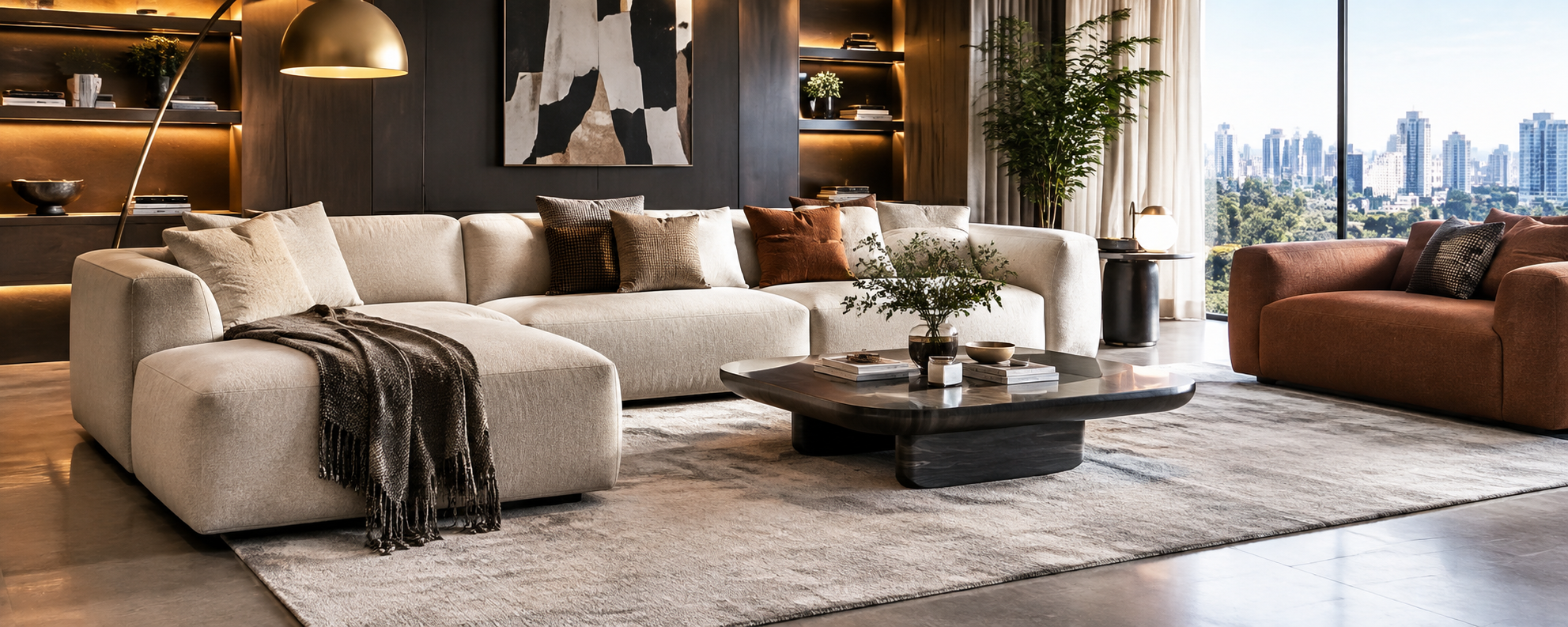
Luxury in interior design is often associated with expensive materials, large furniture, and elaborate decoration. Yet a room can contain costly pieces and still feel uncomfortable or visually chaotic. True sophistication often comes from restraint, proportion, and thoughtful material choices.
The living room is particularly sensitive to this balance because it usually contains several large objects. Sofas, tables, rugs, storage units, lighting, and occasional chairs all compete for visual space.
Creating a luxurious environment therefore starts with deciding what the room needs rather than adding as many impressive pieces as possible. The objective is to make every major item feel deliberate.
Begin With Space Planning
Before selecting decorative finishes, establish a practical furniture layout. Measure the room and identify fixed architectural features such as doors, windows, fireplaces, columns, and built-in storage.
Furniture should allow comfortable movement around the room. A beautiful arrangement that blocks a doorway or creates narrow walking routes will not feel luxurious in everyday use.
Create zones where possible. The primary seating area might face a fireplace or television, while a corner could become a reading or conversation space.
Give the Sofa Enough Room
The sofa usually has the greatest visual presence, so its relationship with surrounding space matters enormously.
A generous sofa can create a luxurious feeling when the room is large enough to accommodate it. However, filling every available section of floor with furniture can produce the opposite effect.
Leave breathing space around major pieces.
This negative space allows individual furniture items to be appreciated and makes the room easier to navigate.
Use One Main Focal Point
Luxury interiors often benefit from visual hierarchy. Instead of making everything compete for attention, select one major feature as the starting point.
This might be:
- A sculptural sofa
- A fireplace
- A large artwork
- A dramatic window
- A statement light fixture
- An architectural wall
Other furniture should support that feature rather than compete with it.
Keep Supporting Pieces Controlled
Once the main furniture has been selected, resist the temptation to fill every empty surface. A side table, lamp, vase, or artwork should have enough surrounding space to remain visually clear. The result can feel more expensive because each element receives attention.
Choose Materials With Depth
Luxury does not require every surface to be glossy. In fact, excessive shine can make a room feel less sophisticated.
Combining different textures usually creates greater depth.
Consider pairing:
- Natural timber with soft upholstery
- Stone with woven fabrics
- Brushed metal with matte finishes
- Glass with textured rugs
- Smooth surfaces with tactile cushions
The contrast allows each material to become more noticeable.
Build a Controlled Colour Palette
A luxurious room does not need a complicated colour scheme. A limited palette can create a calmer and more cohesive environment. Start with a base colour for large surfaces and furniture. Then introduce one or two complementary shades through accessories and secondary pieces.
Warm neutrals can create an inviting foundation. Deeper tones can provide contrast, while metallic details can be used selectively. The key is repetition. A colour appearing subtly in several parts of the room can create stronger cohesion than a large amount of one dramatic shade.
Why Furniture Quality Matters
Large furniture occupies a significant portion of the room, which means construction quality becomes highly visible. Poorly proportioned arms, uneven cushions, unsuitable materials, or weak-looking bases can undermine an otherwise carefully designed interior.
When considering Luxury Sofas, look beyond the surface appearance and consider how the sofa contributes to the room's overall proportions, comfort, upholstery, and long-term use. A luxury-focused room benefits from furniture that remains visually convincing from different angles rather than looking impressive only in one photograph.
Avoid Matching Everything
A common approach to traditional furniture shopping is to purchase an entire matching suite. While coordinated furniture can be useful, a completely identical set may reduce visual character. Mixing complementary pieces can create a more considered result.
For example, a substantial sofa could be paired with two different occasional chairs. A contemporary coffee table could sit beside a more traditional rug. A modern floor lamp might complement a classic side table. The room feels collected rather than assembled from one catalogue page.
Use Lighting in Layers
Lighting has a major effect on how materials and colours appear.
One central ceiling fixture is rarely enough to create a sophisticated evening atmosphere. Layered lighting can provide greater flexibility.
Consider combining:
- Ceiling lighting for general illumination
- Floor lamps for corners
- Table lamps for focused areas
- Accent lighting for artwork or architectural features
Different light sources allow the room to change throughout the day.
Select the Coffee Table Carefully
A coffee table is more important than its size suggests. It sits between the seating and can influence the entire central composition.
The shape should relate to the sofa. A large sectional may need a substantial table, while a compact sofa can be overwhelmed by an oversized design.
Material is equally important. Stone can create weight, glass can preserve visual openness, and timber can introduce warmth.
Rugs Define the Seating Area
A rug can make furniture feel connected. When a rug is too small, sofas and chairs can appear like separate objects. A correctly scaled rug can bring the seating group together. The rug should also work with the coffee table and sofa proportions. Pattern can introduce interest, but heavily patterned rugs should be balanced with quieter upholstery and accessories.
Use Accessories Sparingly
Luxury does not mean filling shelves and tables with decorative objects. Choose fewer pieces with greater visual impact.
A large ceramic object, quality artwork, sculptural lamp, or carefully selected collection can be more effective than many small accessories. Leave some surfaces partially empty. This gives the eye somewhere to rest.
Add Personality Through Art
Artwork can prevent a sophisticated interior from becoming impersonal. The artwork does not necessarily need to match the sofa. Instead, it can introduce colour, shape, or cultural character that connects with other elements in the room.
Scale is important. A small artwork above a large sofa can look disconnected, while an appropriately sized piece can strengthen the room's focal point.
Consider the View From Every Direction
A room may be photographed from one angle, but people experience it while walking through the space. Check the room from the entrance, hallway, adjacent dining area, and seating positions.
This can reveal problems that are invisible from a single viewpoint. The back of a sofa, the side profile of a cabinet, or a crowded corner may need attention. Good design works from multiple perspectives.
Create Comfort Without Losing Structure
A luxurious room should still feel inviting. Soft cushions, textured throws, comfortable seating, and warm lighting can prevent a highly structured room from feeling like a showroom. However, avoid adding too many soft accessories simply to create comfort. The furniture should already provide the primary support.
Conclusion
A luxurious living room does not need to be crowded with expensive furniture. It needs thoughtful proportions, carefully selected materials, comfortable seating, layered lighting, and enough visual space for each important feature to stand out.
Start with the architecture and layout, then introduce the sofa, table, rug, lighting, and accessories in stages. This creates a room where quality is visible without becoming excessive.
The strongest luxury interiors feel calm and purposeful. They provide comfort, character, and visual richness while leaving enough space for the room itself to breathe.
 Romaian
 English
 Arabic
 French
 Spanish
 Portuguese
 Deutsch
 Turkish
 Dutch
Dutch
 Italiano
 Russian
 Portuguese (Brazil)
 Greek
Greek