


Skincare in Your 50s: How to Choose Products for Mature Skin
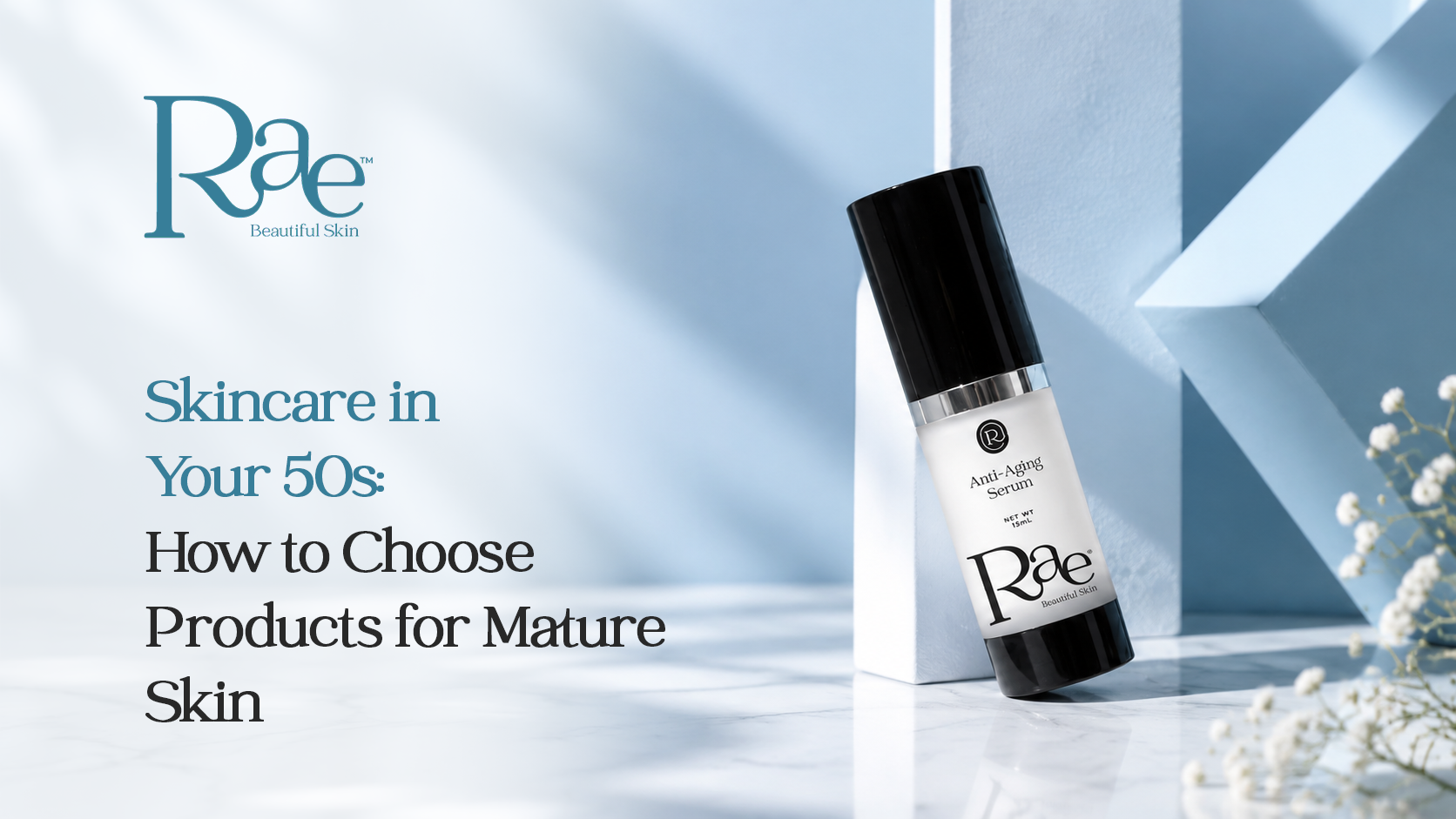
Your 50s can be a time when your skincare routine becomes more intentional. Instead of using the same products you relied on years ago, mature skin often benefits from formulas designed around changing needs such as hydration, texture, firmness, and maintaining a healthy-looking glow.
As skin naturally changes with age, many people notice visible differences including fine lines, dryness, uneven texture, and a reduction in the appearance of firmness. These changes are a normal part of life, but choosing the right skincare products can help support skin that looks smoother, more hydrated, and radiant.
The goal of skincare in your 50s is not to “stop aging.” It is to care for your skin with effective ingredients, consistent habits, and products that support its natural appearance.
How Does Skin Change in Your 50s?
Skin changes gradually over time due to many factors, including natural aging, environmental exposure, lifestyle habits, and changes in moisture levels.
During your 50s, common visible concerns may include:
-
Increased dryness or rough texture
-
More noticeable fine lines
-
Changes in skin firmness
-
Uneven-looking tone
-
Dullness or reduced radiance
-
Slower-looking skin renewal
One of the biggest differences is that mature skin often requires more support with hydration and barrier care. Products that worked well in your 20s or 30s may no longer provide the same level of comfort or results because your skin’s needs have evolved.
A thoughtful skincare routine focuses on nourishing ingredients that help skin look healthy, smooth, and refreshed.
What Should You Look For in Skincare Products for Your 50s?
Choosing skincare products for mature skin does not mean searching for the longest ingredient list or the most aggressive formula. More ingredients do not automatically equal better skincare. The skincare industry loves making labels look like chemistry exams, because apparently confusing people sell them.
Instead, focus on formulas that support your skin goals.
1. Hydrating Ingredients for Dry Mature Skin
Hydration becomes increasingly important as skin tends to lose moisture more easily with age.
Look for ingredients commonly used in hydrating skincare formulas, such as:
-
Hyaluronic acid
-
Glycerin
-
Aloe vera
-
Nourishing oils
-
Skin-conditioning ingredients
Hydrating serums and moisturizers can help improve the appearance of dryness and give skin a smoother, more comfortable look.
A well-hydrated complexion often appears more refreshed and naturally radiant.
2. Ingredients That Support Firmer-Looking Skin
Loss of visible firmness is one of the most common concerns people experience as they get older.
When selecting skincare products, many people look for ingredients designed to support the appearance of firmness and elasticity.
Popular ingredients found in mature skincare routines include:
-
Growth factor-inspired ingredients
-
Peptides
-
Niacinamide
-
Antioxidant ingredients
Growth factor skincare has become increasingly popular because these formulas are designed to support skin’s natural renewal processes and help improve the appearance of smoother, healthier-looking skin.
A growth factor serum can be a valuable addition to a routine focused on visible signs of aging.
3. Choose Serums Designed for Targeted Skin Concerns
Serums are often considered one of the most effective steps in a skincare routine because they are typically lightweight and designed to deliver concentrated skincare ingredients.
For mature skin, popular serum categories include:
Anti-Aging Serums
Anti-aging serums are formulated to support concerns such as:
-
Fine lines
-
Uneven texture
-
Dull-looking skin
-
Loss of visible firmness
A quality anti-aging serum should complement your daily routine rather than replace essential skincare steps.
Hydrating Serums
Hydrating serums help provide moisture support and can be especially useful for mature skin that feels dry or tight.
Growth Factor Serums
Growth factor serums are designed around ingredients inspired by skin-supporting communication processes. Many modern formulas use growth-factor-inspired technology combined with hydrating ingredients to support smoother, more radiant-looking skin.
4. Do Not Forget About Your Skin Barrier
A healthy-looking skin barrier is essential at every age, especially as skin becomes more prone to dryness.
Your skin barrier helps maintain moisture and protects against external stressors.
Support your barrier by choosing:
-
Gentle cleansers
-
Hydrating moisturizers
-
Comfortable, non-stripping formulas
-
Daily sunscreen
Avoid constantly switching products or using too many strong formulas at the same time. Skincare routines are not a competition where the person with the largest bathroom shelf wins.
Consistency usually matters more than complexity.
A Simple Skincare Routine for Your 50s
A mature skincare routine does not need ten different steps. A simple routine with carefully selected products can be effective and easier to maintain.
Morning Routine
Step 1: Gentle Cleanser
Use a cleanser that removes impurities without leaving skin feeling dry or uncomfortable.
Step 2: Antioxidant or Hydrating Serum
Apply a serum designed to support hydration, brightness, and smoother-looking skin.
Step 3: Moisturizer
Choose a moisturizer that helps lock in hydration and keeps skin feeling comfortable.
Step 4: Sunscreen
Daily sunscreen remains one of the most important skincare habits at any age.
UV exposure can contribute to visible changes in skin appearance, including uneven tone and premature-looking aging.
Evening Routine
Step 1: Cleanse
Remove sunscreen, makeup, and daily buildup.
Step 2: Treatment Serum
Apply your chosen anti-aging serum, peptide serum, or growth factor serum.
Step 3: Moisturizer
Finish with a nourishing moisturizer to support overnight hydration.
How to Choose the Best Anti-Aging Serum for Skin in Your 50s
With countless anti-aging products available, choosing the right serum can feel overwhelming.
Consider these factors:
Look for Proven Skincare Ingredients
Choose products with ingredients that have a strong history of use in skincare, including:
-
Hyaluronic acid for hydration support
-
Niacinamide for improving the appearance of uneven skin tone
-
Peptides for supporting smoother-looking skin
-
Growth factor-inspired ingredients for advanced skincare routines
Consider Your Skin Type
The best serum depends on your individual skin needs.
Dry Skin
Look for rich hydration and nourishing ingredients.
Sensitive Skin
Choose gentle formulas and introduce new products gradually.
Combination Skin
Look for lightweight hydration without heavy textures.
Mature Skin With Multiple Concerns
A multi-benefit serum can help simplify your routine.
Common Skincare Mistakes in Your 50s
Using the Same Routine Forever
Skin changes over time. A routine that worked decades ago may not address your current concerns.
Overusing Products
More products do not always mean better results. Too many active ingredients can make routines harder to maintain.
Skipping Moisturizer
Mature skin often benefits from consistent hydration support.
Ignoring Sunscreen
Sun protection remains important throughout life.
Why Growth Factor Serums Are Popular for Mature Skin
Growth factor skincare has gained attention as more people look for advanced formulas that support healthier-looking skin.
Modern growth factor serums often combine innovative skincare technology with ingredients focused on hydration and skin appearance.
RAE Anti-Aging Serum uses Growth Factor Technology with a blend designed to support the appearance of smoother, firmer, and more radiant skin.
The formula includes skin-supporting ingredients such as hyaluronic acid, niacinamide, aloe, and nourishing botanical ingredients to complement a mature skincare routine.
Frequently Asked Questions About Skincare in Your 50s
What is the best skincare routine for a woman in her 50s?
The best skincare routine in your 50s usually focuses on hydration, gentle cleansing, targeted serums, moisturizer, and daily sunscreen. Products should be selected based on your skin type and visible concerns.
What skincare products should I use after age 50?
After age 50, many people choose products that support hydration, smoother-looking texture, visible firmness, and radiance. Popular choices include hydrating serums, moisturizers, peptides, growth factor-inspired serums, and sunscreen.
Is it too late to start an anti-aging skincare routine in my 50s?
It is never too late to create a consistent skincare routine. The right products can help support healthier-looking skin and improve the appearance of common aging concerns.
Should I use a serum in my 50s?
Many people add serums to their skincare routine because they are lightweight formulas designed to target specific concerns like dryness, uneven texture, and visible signs of aging.
Are growth factor serums worth using for mature skin?
Growth factor serums are popular among people looking for advanced skincare options. They are designed to support the appearance of smoother, firmer, and more radiant skin when used consistently as part of a complete routine.
Final Thoughts
Skincare in your 50s is about understanding what your skin needs today, not chasing the routine you had decades ago.
The best products for mature skin are those that provide hydration, support a healthy-looking complexion, and fit naturally into your lifestyle.
A consistent routine with thoughtful ingredients can help your skin look smoother, more comfortable, and beautifully radiant at every stage of life.
Discover skincare designed for mature skin from RAE Beautiful Skin with RAE Anti-Aging Serum and support your journey toward healthier-looking, more radiant skin.
 French
 English
 Arabic
 Spanish
 Portuguese
 Deutsch
 Turkish
 Dutch
Dutch
 Italiano
 Russian
 Romaian
 Portuguese (Brazil)
 Greek
Greek