


Water Delivery Services for Residential and Commercial Needs
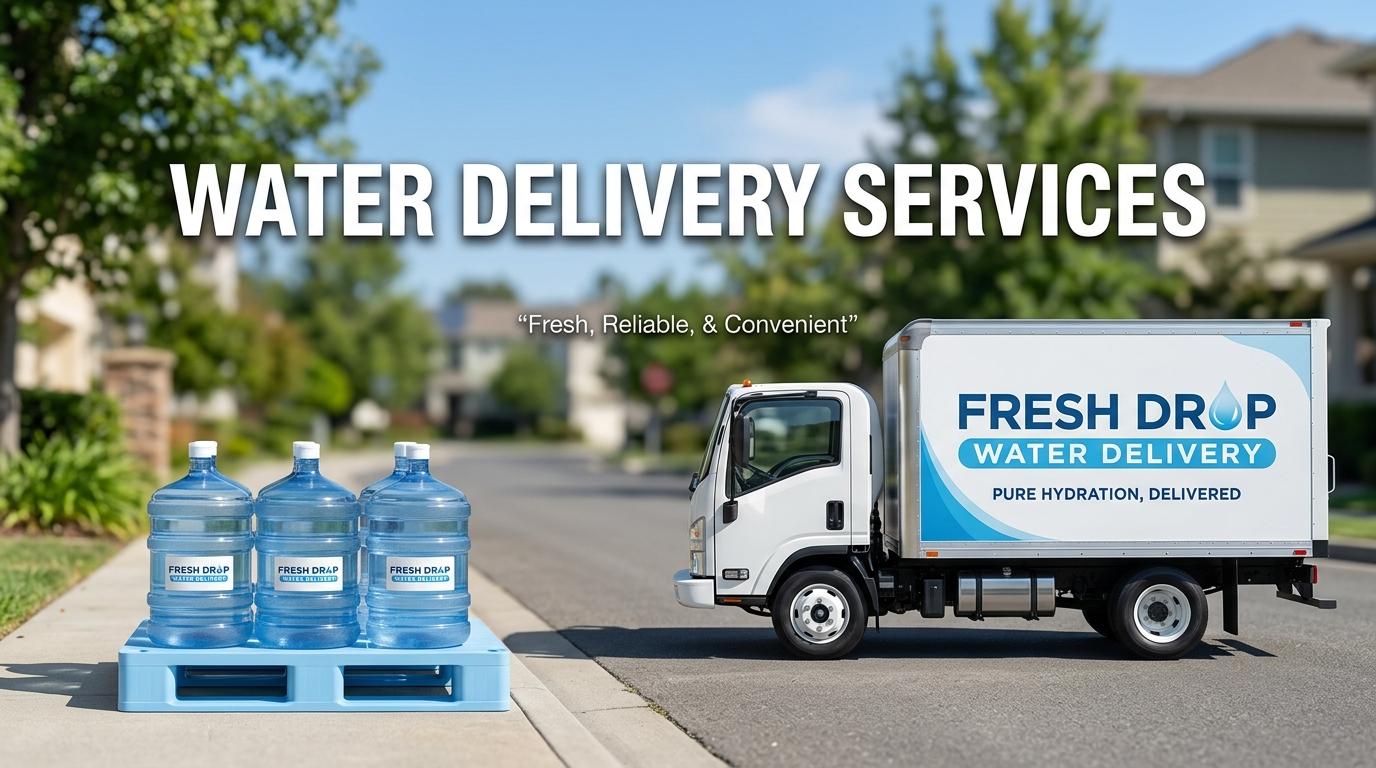
Water is something we depend on every day, whether we are at home, running a business, managing a construction site, or looking after a large facility. When the regular supply is interrupted or cannot meet demand, Water Delivery Services can provide a practical way to maintain access to the water you need. From residential properties that need additional water for daily use to businesses that require larger quantities for their operations, a planned delivery can help cover different residential and commercial needs.
What Are Water Delivery Services
Water delivery services provide water transportation from a suitable source to a customer's location using tankers or other specialized vehicles. The customer can request a specific quantity depending on the property's consumption, storage capacity, and intended use.
Some customers may need a single delivery because of a temporary shortage. Others may depend on regular deliveries as part of their normal water supply.
A water delivery provider may serve
- Residential homes
- Apartment buildings
- Offices
- Restaurants
- Hotels
- Retail facilities
- Construction sites
- Industrial properties
- Farms
- Event locations
The amount of water and delivery schedule can vary significantly from one customer to another.
Why Reliable Water Supply Matters
A water shortage can affect much more than drinking and cooking. Homes need water for washing, cleaning, bathing, toilets, and other household activities. Businesses may require water for employees, customers, sanitation, cleaning, kitchens, landscaping, equipment, or production.
When the regular source becomes unreliable, these activities can be interrupted.
This is why many property owners consider water delivery as a backup or regular supply option. If we know how much water a property normally consumes, we can plan deliveries before the available storage becomes too low.
A planned approach is especially useful for businesses because an unexpected shortage may interfere with normal operations.
Residential Water Delivery
Residential water delivery can help households manage temporary or ongoing water shortages. A home may need delivered water because of a local supply interruption, maintenance work, insufficient water pressure, limited storage, or increased household demand.
Before ordering water, homeowners should check the size of their storage tank. The delivery quantity should match the amount of water the property can safely store.
It is also worth checking whether water is being lost somewhere in the property. A leaking pipe, faulty tap, damaged tank, or overflowing storage system can increase consumption.
If a household repeatedly requires more water than expected, identifying the reason for the higher consumption may reduce the need for frequent deliveries.
Meeting Residential Needs
Different homes have different water requirements. A small household may use less water than a large family, while properties with gardens, pools, guest areas, or additional facilities may require more.
Residential customers can estimate their requirements by considering
- Number of people living in the property
- Average daily water use
- Storage tank capacity
- Cleaning requirements
- Gardening needs
- Seasonal changes
- Frequency of visitors
Once these factors are considered, it becomes easier to decide how much water should be delivered and how often.
Commercial Water Delivery
Businesses often have more varied water requirements than households. Commercial water delivery can provide additional water when a business's normal supply does not meet its operational needs.
A restaurant may require water for cooking, washing dishes, cleaning, and sanitation. A hotel may need water for guests, laundry, kitchens, cleaning, and landscaping. An office may mainly require water for employees, washrooms, cleaning, and general facility operations.
Because each business is different, there is no single delivery schedule that will work for every commercial customer.
Businesses should monitor their consumption and identify periods when demand increases. This can help them arrange deliveries at the right time.
Commercial Water Supply Requirements
A dependable commercial water supply can be important for businesses that rely on water for daily operations.
Commercial customers may need water for
- Cleaning and sanitation
- Employee facilities
- Food preparation
- Landscaping
- Equipment maintenance
- Cooling
- Production activities
- Hospitality services
- Construction or renovation work
A business can create a simple water management plan by recording its regular consumption and comparing it with available storage.
For example, if a commercial facility normally uses a certain amount of water every day, management can determine how many days the current storage can support operations. Deliveries can then be scheduled before the reserve becomes too low.
Water Tanker Services
Water tanker services allow large quantities of water to be transported directly to a property. Tanker capacity can vary, so customers should choose a vehicle that suits their requirements and storage system.
For residential customers, a smaller delivery may be enough. Commercial properties may need larger tankers or multiple deliveries.
Site access should also be considered. The tanker needs a safe route to the delivery point. Narrow roads, gates, construction barriers, underground parking, and other restrictions can make delivery more complicated.
If you are arranging a delivery, provide accurate access information to the provider beforehand.
Bulk Water Delivery
Bulk water delivery is useful when a customer needs a larger quantity of water than a standard supply can provide.
Construction projects are a common example. Water may be required for concrete work, dust suppression, cleaning, landscaping, and worker facilities. Large commercial properties and event organizers may also require bulk deliveries for temporary increases in demand.
Before ordering bulk water, you should calculate the actual requirement.
Consider
- Storage capacity
- Current water level
- Expected daily consumption
- Number of people using the facility
- Duration of the project
- Expected changes in demand
- Future delivery requirements
This helps prevent ordering more water than you can store or failing to order enough for the required period.
Drinking Water Delivery
Water used for drinking requires particular attention to quality and handling. Drinking water delivery should be arranged from a provider that can explain the water source and handling process.
The delivery tanker and storage containers should be suitable for drinking water. Once the water reaches the property, it should also be stored in clean and appropriate conditions.
Homes, offices, hotels, restaurants, schools, and event venues may require drinking water delivery depending on their circumstances.
Water intended for drinking should also be kept separate from water being used for construction, cleaning, irrigation, or other non drinking purposes.
Choosing a Water Delivery Provider
When selecting a provider, customers should consider several factors rather than focusing only on price.
Water Quality
Ask about the water source and intended use. If you require drinking water, make sure the provider can meet the applicable quality requirements.
Tanker Condition
The condition and cleanliness of the tanker are important because the vehicle is directly involved in transporting the water.
Delivery Capacity
Confirm that the provider can supply the quantity you require. If you need bulk water, ask about tanker capacity and multiple deliveries.
Scheduling
If you need water regularly, discuss the delivery schedule before starting the service. A predictable schedule can make supply management easier.
Site Access
Make sure the provider knows about any restrictions that could affect tanker access or unloading.
Planning Water Deliveries
Good planning can help both residential and commercial customers avoid last minute shortages.
Start by checking how much water your property normally consumes. You can record water usage over several days or weeks and identify periods when consumption is higher.
Next, check the storage capacity. Knowing how much water the property can hold gives you a better idea of when another delivery will be needed.
For businesses, it can also be useful to keep delivery records. These records can show how much water was ordered, how frequently deliveries were required, and whether consumption is changing.
This information can make future planning more accurate.
Reducing Water Waste
Water delivery can provide additional supply, but responsible use remains important. If a property has a leak or inefficient plumbing, additional deliveries may only hide the underlying problem.
Simple maintenance can help reduce unnecessary consumption.
You can
- Repair leaking taps and pipes
- Check storage tanks regularly
- Prevent tank overflow
- Inspect valves and pumps
- Monitor unusual changes in consumption
- Maintain plumbing systems
- Avoid unnecessary water use
- Check outdoor irrigation systems
If your water consumption suddenly increases, investigate the cause before simply ordering more water.
When Water Delivery May Be Needed
There are several situations where Water Delivery Services can be useful for residential and commercial customers.
These may include
- Temporary interruptions to the regular supply
- Low water pressure
- Empty or low storage tanks
- Increased household consumption
- Commercial expansion
- Large events
- Construction or renovation projects
- Seasonal increases in demand
- Emergency situations
- Properties without a dependable permanent supply
The exact delivery frequency will depend on the property, local supply conditions, storage capacity, and actual consumption.
Final Thoughts
Water plays a central role in both residential and commercial activities. When a regular source cannot meet demand, Water Delivery Services can provide a flexible way to maintain the required supply.
Residential water delivery can help households manage temporary shortages, while commercial water delivery can support businesses with higher or changing requirements. Water tanker services and bulk water delivery can also be useful for construction projects, large facilities, events, and other situations where significant quantities are required.
The best way to manage water deliveries is to understand your actual consumption, maintain clean and suitable storage, monitor your water levels, and plan deliveries before a shortage becomes a serious problem. When we combine proper planning with responsible water use and regular maintenance, delivered water can become a dependable part of meeting both residential and commercial needs.
 English
 Arabic
 French
 Spanish
 Portuguese
 Deutsch
 Turkish
 Dutch
Dutch
 Italiano
 Russian
 Romaian
 Portuguese (Brazil)
 Greek
Greek