


Uterine Fibroids and Heavy Periods: Causes, Symptoms, and Treatment
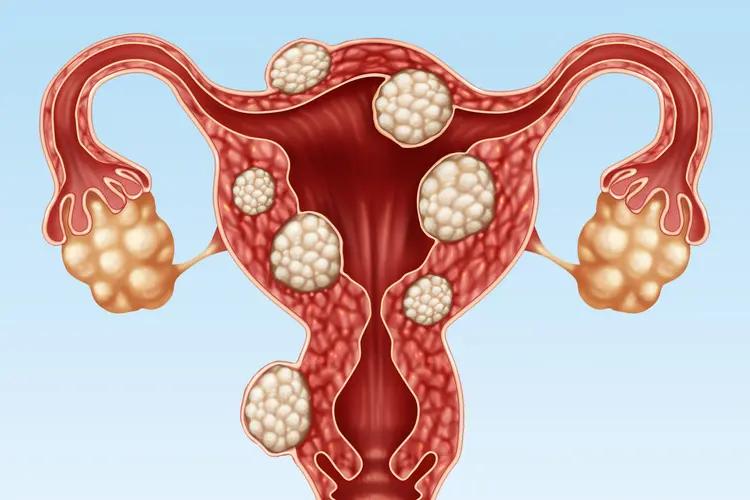
Uterine fibroids are common non-cancerous growths that develop in the uterus and can affect menstrual health. Many women experience heavy periods, pelvic discomfort, and other symptoms due to fibroids. Understanding their causes, warning signs, diagnosis, and available treatments helps women manage symptoms effectively and seek timely medical care for better reproductive health.
What Are Uterine Fibroids?
Uterine fibroids are abnormal growths that develop from the muscular tissue of the uterus. They are also known as leiomyomas or myomas and are usually benign, meaning they are not cancerous. Fibroids can vary in size, ranging from tiny growths that cannot be detected easily to larger masses that can change the shape and size of the uterus.
Some women may have fibroids without experiencing any symptoms, while others may face problems such as heavy menstrual bleeding, pelvic pressure, and fertility concerns. The location, size, and number of fibroids often determine how they affect the body.
Fibroids commonly develop during the reproductive years when hormone levels, especially estrogen and progesterone, are higher. They may grow slowly over time and sometimes shrink after menopause due to hormonal changes.
Causes and Risk Factors of Uterine Fibroids
The exact cause of uterine fibroids is not fully understood, but several factors may contribute to their development. Hormonal changes, genetic factors, and lifestyle influences can increase the likelihood of developing fibroids.
Hormonal Influence
Estrogen and progesterone are hormones responsible for regulating the menstrual cycle and supporting pregnancy. These hormones can encourage fibroid growth because fibroid cells contain receptors that respond to hormonal signals. This is why fibroids often grow during pregnancy and may reduce in size after menopause.
Genetic Factors
Women with a family history of uterine fibroids have a higher chance of developing them. Certain genetic changes in uterine muscle cells may also contribute to fibroid formation.
Age and Reproductive Factors
Fibroids are most commonly found in women between the ages of 30 and 50. Women who have never been pregnant may have a higher risk, although fibroids can occur in women with or without previous pregnancies.
Lifestyle Factors
Factors such as obesity, lack of physical activity, and certain dietary patterns may influence fibroid development. Maintaining a balanced diet, regular exercise, and a healthy weight may support overall reproductive health.
How Uterine Fibroids Cause Heavy Periods
Heavy menstrual bleeding is one of the most common symptoms associated with uterine fibroids. Fibroids can affect menstrual flow in several ways.
When fibroids develop near the inner lining of the uterus, they can increase the surface area that sheds during menstruation. This may lead to heavier and longer periods. Fibroids can also interfere with normal uterine contractions, making it harder for the uterus to control bleeding.
Women with fibroids may experience periods that last more than seven days, require frequent pad or tampon changes, or include large blood clots. Excessive bleeding can sometimes lead to anemia, causing tiredness, weakness, dizziness, and shortness of breath.
Common Symptoms of Uterine Fibroids
Symptoms of uterine fibroids vary depending on their size, location, and number. Some women may not notice any changes, while others may experience significant discomfort.
Common symptoms include:
- Heavy or prolonged menstrual bleeding
- Severe menstrual cramps
- Pelvic pain or pressure
- Lower back pain
- Frequent urination due to pressure on the bladder
- Constipation caused by pressure on the bowel
- Pain during sexual intercourse
- Difficulty becoming pregnant in some cases
Changes in menstrual patterns should not be ignored, especially when bleeding becomes unusually heavy or affects daily activities.
Diagnosis of Uterine Fibroids
A gynecologist can diagnose uterine fibroids through a combination of medical history, physical examination, and imaging tests.
Pelvic Examination
During a pelvic examination, a doctor may identify changes in the size or shape of the uterus that suggest fibroids.
Ultrasound
Ultrasound is the most common imaging test used to detect fibroids. It provides detailed images of the uterus and helps determine the size and location of growths.
MRI Scan
Magnetic resonance imaging (MRI) may be recommended when more detailed information is needed, especially before certain treatments or surgeries.
Blood Tests
Blood tests may be performed to check for anemia caused by heavy menstrual bleeding and to evaluate overall health.
Treatment Options for Uterine Fibroids
Treatment depends on factors such as symptom severity, fibroid size, age, and future pregnancy plans. Many treatment options are available to manage symptoms and improve quality of life.
Medication
Medicines may help control heavy bleeding and reduce pain. Hormonal treatments can regulate menstrual cycles, while certain medications may temporarily reduce fibroid size or symptoms.
Non-Surgical Procedures
Minimally invasive procedures can treat fibroids without major surgery. Uterine artery embolization blocks blood supply to fibroids, causing them to shrink over time. Other advanced techniques may use focused energy to destroy fibroid tissue.
Surgical Treatment
For women with severe symptoms or large fibroids, surgery may be recommended. A myomectomy removes fibroids while preserving the uterus, making it an option for women who want future pregnancies. A hysterectomy removes the uterus and provides a permanent solution for fibroids.
Lifestyle Tips to Manage Fibroid Symptoms
Although lifestyle changes cannot remove fibroids, healthy habits may support symptom management and overall wellness.
- Eat a nutrient-rich diet with plenty of fruits, vegetables, and whole grains.
- Include iron-rich foods to help prevent anemia caused by heavy bleeding.
- Maintain a healthy weight through regular exercise.
- Track menstrual cycles and bleeding patterns.
- Manage stress through relaxation techniques and adequate sleep.
Regular gynecological checkups help detect changes early and allow timely treatment decisions.
When to Consult a Gynecologist
Women should seek medical advice when heavy periods interfere with daily life, cause fatigue, or occur with severe pelvic pain. Unusual bleeding between periods, sudden changes in menstrual patterns, or difficulty with pregnancy should also be evaluated by a healthcare professional.
Early diagnosis can help prevent complications and provide effective solutions based on individual health needs.
Book Online Appointment With the Best Gynecologist via InstaCare
Managing uterine fibroids and heavy periods becomes easier with expert medical guidance. Women experiencing abnormal bleeding, pelvic discomfort, or fibroid-related concerns can book an online appointment with the best gynecologist via InstaCare. Professional consultation helps identify the right diagnosis, discuss treatment options, and receive personalized care from the comfort of home.
Frequently Asked Questions (FAQs)
1. Can uterine fibroids cause extremely heavy periods?
Yes, uterine fibroids can cause heavy and prolonged menstrual bleeding, especially when they grow near the inner lining of the uterus. They may increase bleeding and lead to symptoms such as fatigue or anemia.
2. Are uterine fibroids cancerous?
Most uterine fibroids are benign and do not develop into cancer. However, unusual symptoms or rapid growth should always be evaluated by a gynecologist.
3. Can fibroids affect pregnancy?
Some fibroids may affect fertility or pregnancy depending on their size and location. A gynecologist can recommend suitable treatment options for women planning pregnancy.
4. Do fibroids go away without treatment?
Small fibroids may remain stable or shrink after menopause due to lower hormone levels. However, symptomatic fibroids often require medical management.
5. When should I see a doctor for heavy periods?
You should consult a gynecologist when periods are unusually heavy, last longer than seven days, cause severe pain, or affect your daily activities and energy levels.

 English
 Arabic
 French
 Spanish
 Portuguese
 Deutsch
 Turkish
 Dutch
Dutch
 Italiano
 Russian
 Romaian
 Portuguese (Brazil)
 Greek
Greek