Hair loss is one of the most common dermatological concerns worldwide, and many patients seeking Hair Loss Treatment Riyadh often ask whether their condition can actually be reversed or if it will continue permanently. The answer is not simple, as hair loss is not a single condition but a symptom with multiple causes, ranging from temporary shedding to permanent follicle damage. Dermatologists emphasize that reversibility depends entirely on the underlying cause, timing of intervention, and the health of hair follicles.
Understanding the Hair Growth Cycle:
To understand whether hair loss is reversible, it is important to first understand the natural hair growth cycle, which consists of three main phases that determine how long and how thick hair grows. Disruption in any of these phases can lead to shedding or thinning. Key phases include:
- Anagen (growth phase where hair actively grows)
- Catagen (transition phase where growth slows)
- Telogen (resting phase leading to shedding)
Hair loss becomes noticeable when more follicles shift prematurely into the resting phase or stop growing altogether.
Temporary Hair Loss: Often Reversible:
Dermatologists explain that many types of hair loss are temporary and can be reversed once the underlying cause is treated or removed. This condition is often referred to as telogen effluvium, where a large number of hairs shed simultaneously due to stress or physiological changes. Key reversible causes include:
- Severe physical or emotional stress
- Postpartum hormonal changes
- Nutritional deficiencies such as iron or vitamin D
- Illness or surgery-related shock
In these cases, hair typically regrows within several months once balance is restored.
Genetic Hair Loss: Partially Reversible:
Androgenetic alopecia, also known as genetic or pattern hair loss, is one of the most common forms and is influenced by hereditary sensitivity to hormones like DHT. Dermatologists note that while it is not fully reversible, it can be managed and partially improved with treatment. Key characteristics include:
- Progressive thinning over time
- Follicle miniaturization
- Receding hairline or crown thinning
- Varying response to treatment
Many individuals seeking Hair Loss Treatment Riyadh fall into this category and benefit from long-term management strategies.
Role of Follicle Health in Reversibility:
Whether hair loss is reversible depends largely on whether hair follicles are still alive or have become permanently inactive. Dormant follicles can often be reactivated, but completely destroyed follicles cannot regenerate hair. Key factors include:
- Presence of miniaturized but active follicles
- Duration of hair loss before treatment begins
- Scalp blood circulation and health
- Level of follicle inflammation or scarring
Early intervention greatly improves the chances of regrowth.
Scarring vs Non-Scarring Hair Loss:
Dermatologists classify hair loss into two major categories: scarring (cicatricial) and non-scarring alopecia. The difference determines whether reversal is possible. Key distinctions include:
- Non-scarring: follicles remain intact and may regrow hair
- Scarring: follicles are permanently destroyed and replaced with scar tissue
- Inflammatory conditions can lead to permanent damage if untreated
- Early diagnosis is critical to prevent irreversible loss
Scarring alopecia requires immediate medical attention to prevent further loss.
Medical Treatments That Can Reverse Hair Loss:
Modern dermatology offers several treatments that can stimulate regrowth in reversible or partially reversible cases. These treatments focus on improving follicle function and extending the growth phase. Common options include:
- Topical minoxidil to stimulate follicle activity
- Oral medications that reduce DHT levels
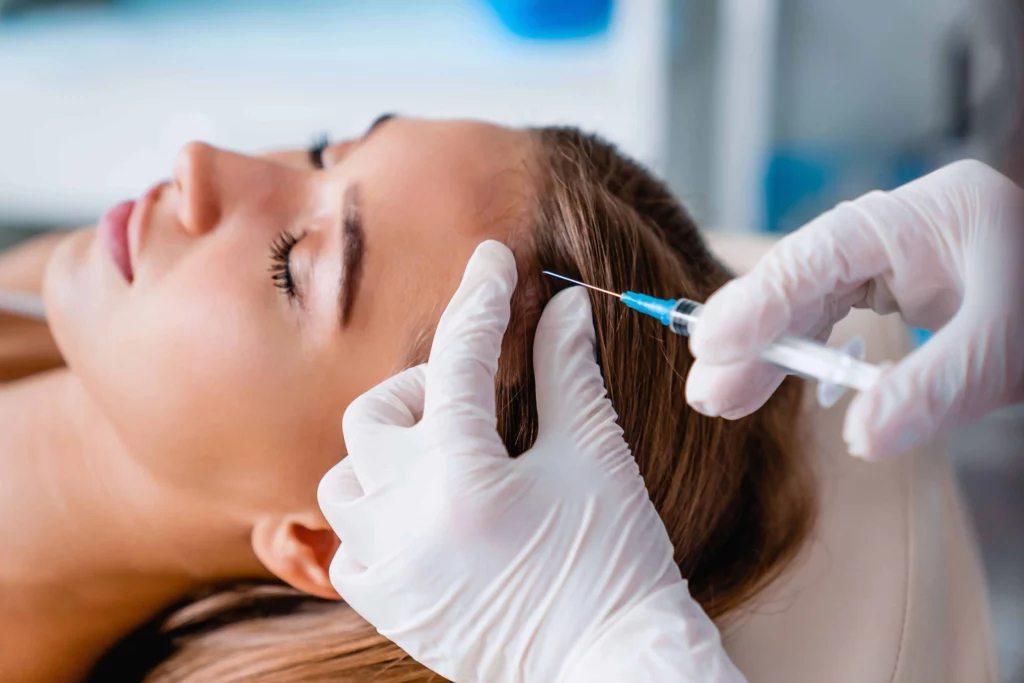
- Platelet-rich plasma (PRP) therapy
- Low-level laser therapy for scalp stimulation
These treatments are often used in combination for better results.
Importance of Early Diagnosis:
Early diagnosis plays a crucial role in determining whether hair loss can be reversed or managed effectively. The sooner treatment begins, the higher the chance of preserving and restoring hair density. Warning signs that require attention include:
- Sudden increase in hair shedding
- Visible thinning in specific scalp areas
- Receding hairline or widening part
- Persistent scalp irritation or inflammation
Delaying treatment reduces the likelihood of full recovery.
Lifestyle and Nutritional Support for Regrowth:
In many reversible cases, lifestyle and nutritional improvements significantly enhance recovery and support hair regrowth. Dermatologists often recommend addressing internal health alongside medical treatments. Key supportive measures include:
- Balanced diet rich in protein and iron
- Adequate vitamin D and zinc intake
- Stress management techniques
- Proper sleep and hydration
These habits improve overall follicle function and recovery speed.
Final Thoughts:
Hair loss can be reversible in many cases, but not all types respond the same way, making early diagnosis and proper identification of the cause essential. Temporary shedding and non-scarring conditions often recover fully, while genetic or scarring types require ongoing management or advanced treatment. Many patients exploring Hair Loss Treatment Riyadh discover that combining medical therapies with lifestyle improvements offers the best chance of regrowth and stabilization. With timely intervention and dermatologist-guided care, significant improvement in hair density and scalp health is achievable for many individuals.



 English
 French
 Spanish
 Portuguese
 Deutsch
 Turkish
 Dutch
Dutch
 Italiano
 Russian
 Romaian
 Portuguese (Brazil)
 Greek
Greek