


Alopecia Areata Treatment in Dubai for Hairline Patches
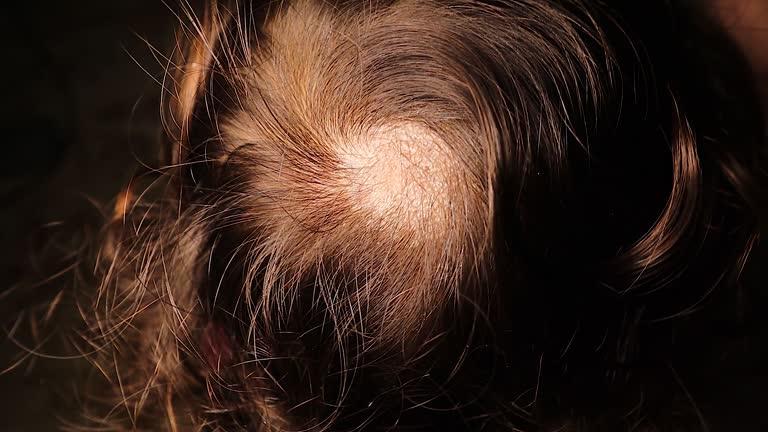
Alopecia areata affecting the hairline can be especially noticeable because the frontal scalp forms one of the most visible boundaries of the face. Alopecia Areata Treatment in Dubai for hairline patches focuses on distinguishing localized immune-mediated hair loss from other causes of frontal thinning, assessing the affected follicles, and selecting treatment that respects the anatomy and visibility of the area.
Hairline involvement also requires careful interpretation. A patch near the forehead does not automatically represent a receding hairline, and restoring its appearance requires understanding why the hairs disappeared in the first place.
Why Hairline Patches Need Careful Assessment
The frontal hairline is naturally irregular, with individual follicles positioned at different angles and densities.
Alopecia areata can interrupt this pattern by creating a localized area where hairs disappear while adjacent follicles remain active.
A Patch Is Different From Gradual Recession
Androgen-related hair loss usually produces a progressive reduction in density or recession following recognizable patterns.
Alopecia areata can instead create a sharply localized area of hair loss. The distinction matters because these conditions have different underlying mechanisms and treatment considerations.
Hairline Position Can Create Misleading Impressions
A small patch at the front of the scalp may make the entire hairline appear uneven.
Patients may interpret this as permanent recession even when the underlying follicles remain capable of producing hair. Clinical examination is therefore more informative than judging the hairline from a single photograph.
Assessing Hairline Alopecia Areata
The assessment should examine both the visible patch and the surrounding frontal scalp.
The clinician may review when the hairline change began, whether the area expanded, whether similar episodes occurred previously, and whether there is evidence of regrowth.
Examine the Frontal Boundary
The clinician can assess:
- Location of the affected area
- Shape of the patch
- Hair density beside the patch
- Individual hair characteristics
- Presence of short regrowing hairs
- Condition of the underlying skin
- Involvement of nearby scalp regions
This establishes whether the change is genuinely localized or part of a broader pattern.
Review the Patient's Hairline History
The patient's previous hairline shape can provide useful context.
Old photographs may help show whether the frontal boundary has changed recently or whether the current appearance reflects a naturally high or irregular hairline.
Differentiating Alopecia Areata From Recession
A hairline patch can resemble several other forms of frontal hair loss.
The clinical history and examination help distinguish these possibilities.
Pattern of Loss
Alopecia areata often produces localized areas rather than a uniform reduction across the entire frontal region.
Gradual recession may affect the temples or frontal hairline progressively, while other conditions can produce diffuse thinning or inflammation.
Skin Appearance
The underlying skin can provide additional information.
Alopecia areata commonly occurs without the prominent scaling or scarring seen in certain inflammatory or scarring disorders. Unusual skin findings may therefore warrant further investigation.
Establishing a Hairline Baseline
Because the hairline is highly visible, documenting its starting appearance is particularly useful.
A baseline can show exactly which areas have lost hair and provide a reference for evaluating future changes.
Record the Natural Hairline
The assessment should account for the patient's natural frontal contour rather than attempting to impose an artificial straight line.
The goal is to understand where hair was previously present and which portions have genuinely changed.
Document Surrounding Density
The follicles immediately behind and beside the affected patch can provide important context.
A dense surrounding area with a sharply defined gap presents differently from widespread frontal thinning.
Selecting Alopecia Areata Treatment for a Hairline Patch
Treatment depends on disease activity, duration, extent, previous episodes, and the patient's individual circumstances.
A localized hairline patch may be considered for observation or medical treatment depending on these factors.
Observation for Limited Disease
Some limited cases may be monitored because spontaneous regrowth can occur.
Observation should still involve a defined baseline and follow-up approach. If the area changes, treatment can be reconsidered.
Localized Corticosteroid Treatment
For selected patchy cases, intralesional corticosteroid treatment may be considered.
The treatment involves delivering medication into the affected region using carefully controlled injections. The technique and dosing should be determined by a qualified clinician.
Why Hairline Injection Technique Matters
The frontal scalp contains a high concentration of visible cosmetic landmarks.
A treatment approach that unnecessarily affects surrounding tissue can create an unwanted cosmetic result even when the original patch is small.
Treatment Boundaries Need Precision
The clinician must distinguish affected tissue from healthy surrounding scalp.
The objective is targeted treatment rather than broad exposure of the entire hairline.
Local Side Effects Need Monitoring
Repeated or excessive corticosteroid exposure can produce local adverse effects such as skin thinning or pigmentary changes.
Follow-up helps determine whether further treatment is appropriate and limits unnecessary repetition.
Hairline Regrowth and the Growth Cycle
A recovering hairline rarely changes overnight.
Hair follicles must progress through their growth cycle before new hairs become visibly established.
Fine Regrowth May Come First
Early hairs may be short, fine, or lighter than the mature hairs around them.
These hairs can become more substantial over time, but the pace and degree of maturation vary between individuals.
The Hairline May Look Uneven During Recovery
One section may regain hair before another.
This can temporarily make the frontal contour appear irregular. A developing pattern should be monitored over time rather than judged as a final result during the early stages of recovery.
Monitoring the Hairline Without Misreading Changes
The frontal scalp is highly sensitive to lighting and hairstyle changes.
A different camera angle can make the hairline appear substantially higher or lower.
Use Consistent Photography
For useful comparisons, photographs should ideally maintain similar:
- Camera angle
- Lighting
- Hair length
- Hair position
- Facial position
- Distance from the camera
A consistent method provides a more objective record than occasional photographs taken under different conditions.
Compare More Than One Area
The clinician should assess the treated patch together with the surrounding frontal scalp.
This helps determine whether the original area is improving while other regions remain stable.
Protecting the Hairline During Recovery
Hairline hairs can be vulnerable to styling because they are often manipulated when creating a particular hairstyle.
Minimize Traction
Tight ponytails, tightly pulled hairstyles, extensions, and repeated tension around the frontal scalp can create unnecessary mechanical stress.
Reducing traction is particularly sensible when the hairline is already being monitored for hair loss.
Limit Irritating Procedures
Repeated chemical treatments, bleaching, aggressive scalp exfoliation, or harsh styling products can irritate sensitive skin.
These procedures do not treat alopecia areata and may make the scalp more uncomfortable during recovery.
Dubai's Climate and Hairline Care
The hairline is exposed to environmental conditions more directly than much of the scalp.
Dubai's intense sunlight and outdoor heat can make exposed frontal scalp skin more vulnerable to discomfort and direct UV exposure.
Protect Exposed Frontal Skin
When a patch leaves skin uncovered, reasonable sun-protection measures can reduce direct exposure.
Shade, hats, and suitable sunscreen for exposed skin may be useful depending on the patient's circumstances and treatment instructions.
Consider Sweat and Product Build-Up
Heat and physical activity can increase sweating around the forehead and hairline.
Gentle cleansing after substantial sweating can help maintain comfort without aggressive scrubbing.
Hairline Styling During Treatment
A temporary change in styling can reduce the visual prominence of a patch while recovery is monitored.
The objective should be camouflage without creating additional traction.
Use Low-Tension Styling
Brushing nearby hair gently across a small area may provide coverage.
Avoid repeatedly pulling the surrounding hairs tightly toward the patch, as this can place unnecessary tension on the follicles.
Be Careful With Hair Fibers
Hair fibers or styling products can reduce the contrast between scalp and hair.
However, products should be selected carefully if the scalp is irritated or if the treatment area has recently been medically treated.
When a Hairline Patch Needs Reassessment
A change in the frontal area does not always mean that treatment has failed.
It means the current pattern should be reviewed against the baseline.
The Patch Becomes Larger
An increase in size should be documented and assessed.
The clinician can determine whether the condition appears active and whether the existing treatment or monitoring strategy should change.
Other Frontal Areas Become Involved
If additional patches appear near the temples, central hairline, or behind the original area, the overall distribution may need to be reassessed.
This can help distinguish an isolated patch from a broader process.
New Hair Loss Elsewhere
Hair loss involving the eyebrows, beard, or other scalp regions can provide additional information about the overall alopecia areata pattern.
Such changes should be reported during follow-up.
Hair Transplantation and Hairline Patches
Because the hairline is visually important, patients may immediately consider transplantation when a bald area appears.
However, alopecia areata requires different considerations from permanent follicular loss.
Determine Disease Stability First
If the immune-mediated condition remains active, surgical restoration may not be the first step.
A clinician should evaluate whether the area is stable and whether existing follicles have a reasonable opportunity for recovery.
Avoid Treating the Hairline as a Cosmetic Line
A transplant creates a new distribution of follicles. Alopecia areata management first asks whether the patient's own follicles can recover.
This distinction is particularly important at the frontal hairline, where unnecessary alteration of the natural contour can create an artificial appearance.
Common Misunderstandings About Hairline Patches
Patients may receive advice that treats every frontal bald spot as ordinary male or female pattern hair loss.
A more careful approach is needed when the loss is sudden or sharply localized.
Do not automatically assume that:
- Every hairline gap is permanent recession
- Shaving changes the follicle's ability to regrow
- Hair oils can reverse alopecia areata
- Strong scalp massage can restart affected follicles
- More topical products necessarily produce faster recovery
- A transplant should be the first treatment for an active patch
The cause and current activity of the hair loss should determine the next step.
Questions About Hairline Alopecia Areata
Can alopecia areata affect only the hairline?
Yes. It can present as a localized frontal patch, although the broader scalp and other hair-bearing areas should be considered during assessment.
How can I tell a hairline patch from normal recession?
Sudden, sharply localized loss can differ from gradual recession, but a clinical examination is needed to establish the cause.
Can a hairline patch grow back?
Regrowth can occur in alopecia areata, either spontaneously or following appropriate treatment. The outcome varies between individuals.
Should I transplant hair into a small alopecia areata patch?
Not automatically. Disease activity and stability should be assessed before considering surgical restoration.
Can tight hairstyles affect a recovering hairline?
Repeated traction can place mechanical stress on the follicles. Low-tension styling is preferable during recovery.
Book a Hairline Alopecia Assessment in Dubai
Hairline patches deserve careful evaluation because their appearance can resemble permanent recession even when the underlying cause is different. Tajmeels Clinic in Dubai can assess the frontal scalp, distinguish localized alopecia patterns from other forms of hair loss, discuss appropriate treatment options, and monitor the hairline throughout recovery.
If you have noticed a sudden or sharply defined bald area along your hairline, professional assessment can help clarify the cause and establish an appropriate treatment plan.
 Greek
Greek
 English
 Arabic
 French
 Spanish
 Portuguese
 Deutsch
 Turkish
 Dutch
Dutch
 Italiano
 Russian
 Romaian
 Portuguese (Brazil)