


Scalp Micropigmentation in Dubai for Crown Thinning Cases
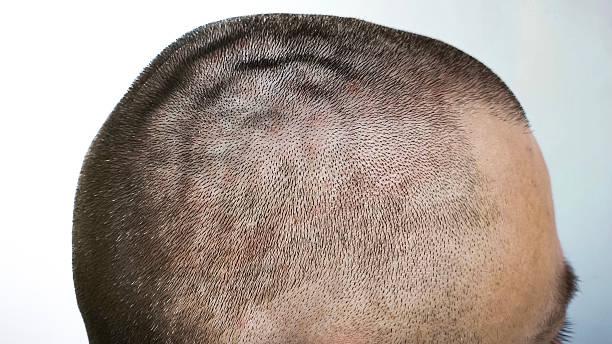
Scalp Micropigmentation in Dubai can reduce the visible contrast created by crown thinning by placing carefully controlled pigment points across areas where the scalp has become more noticeable. The treatment does not regenerate hair follicles, but it can create a denser visual appearance when pigment density is coordinated with the patient's remaining hair.
Scalp Micropigmentation in Dubai for Crown Thinning
Crown thinning is different from a receding frontal hairline because the main concern is often the amount of scalp visible through existing hair. The crown, or vertex, also has a distinctive circular growth pattern that makes pigment placement particularly sensitive to direction and density.
SMP uses a fine-needling device to introduce medical-grade pigment into the scalp, creating the appearance of follicular points. Treatment planning can be adapted to existing hair density, skin tone and facial characteristics rather than applying a uniform pigment pattern across the entire crown.
Why the Crown Requires Individual Mapping
The crown is not a flat visual field. Hair grows around a natural whorl, and the direction and spacing of follicles change as they approach the center.
If pigment is placed in a repetitive grid or with identical spacing throughout the area, the pattern can appear artificial. A more controlled approach follows the visual organization of the patient's existing follicles.
Understanding Crown Scalp Contrast
A person can have a substantial number of remaining hairs while still noticing significant scalp visibility. Fine hair shafts, reduced density and strong contrast between hair and scalp can make thinning particularly obvious under overhead lighting.
SMP works primarily by reducing this contrast. The pigment creates small follicle-like points that visually occupy some of the spaces between existing hairs.
Scalp Micropigmentation in Dubai for Different Crown Patterns
Not every crown-thinning case requires the same treatment strategy. The visible pattern, remaining hair density and size of the exposed area all influence the design.
| Crown presentation | Typical visual concern | Planning focus |
|---|---|---|
| Early crown thinning | Scalp visible under bright light | Conservative density support |
| Moderate vertex thinning | Larger visible scalp area | Progressive coverage and blending |
| Central crown thinning | Whorl becomes more apparent | Directional follicle mapping |
| Diffuse crown thinning | Reduced density across a broad region | Consistent but graduated density |
| Advanced crown loss | Large exposed scalp zone | Camouflage strategy and expectation setting |
Tajmeels lists the crown among the areas that can be treated with SMP and describes crown treatment as generally requiring multiple sessions depending on the individual treatment area and condition.
Scalp Micropigmentation in Dubai and Crown Density Matching
Density matching is one of the most important technical considerations when treating crown thinning. The goal is not simply to make the scalp darker.
Matching the Existing Hair
If the surrounding hair is relatively sparse, excessive pigment density can create an unnatural contrast between the treated and untreated zones.
Instead, the pigment pattern should visually correspond with the density of the remaining follicles. The transition should be gradual so the eye does not detect a sharp boundary.
Controlling Dot Size and Spacing
Follicle simulation relies on numerous small pigment impressions rather than broad areas of solid color. Dot size, spacing and pigment concentration all affect how the scalp appears from normal conversational distances.
The practitioner also needs to consider how the pigment interacts visually with the patient's natural hair shafts. The objective is a combined appearance rather than a replacement of the existing hair.
Working Around the Crown Whorl
The crown's whorl creates a circular or spiral distribution that can be seen more clearly as hair becomes thinner. Pigment placement should account for this directional pattern.
Following the existing growth architecture helps the treated area integrate with the surrounding scalp. This is especially important when the crown remains partially covered by native hair.
How Scalp Micropigmentation in Dubai Differs From Crown Hair Transplantation
SMP and hair transplantation provide different types of restoration. SMP changes the visual appearance of the scalp through pigmentation, while a hair transplant relocates follicles from a donor area into areas affected by hair loss.
| Factor | SMP for crown thinning | Hair transplantation for crown |
|---|---|---|
| Primary mechanism | Cosmetic scalp pigmentation | Surgical follicle transplantation |
| New follicle growth | No | Yes, following successful graft establishment |
| Surgical incisions | No | Yes |
| Visual change | Pigment-based | Hair-growth based |
| Crown design | Density camouflage | Graft placement and growth direction |
| Recovery considerations | Primarily scalp aftercare | Surgical recovery and graft protection |
| Donor-area requirement | Not dependent on graft supply | Requires suitable donor follicles |
The choice depends on whether the patient's priority is visual camouflage, biological hair restoration, avoidance of surgery, or a combination of treatment goals. SMP should not be represented as a replacement for growing hair.
Scalp Micropigmentation in Dubai for Fine Crown Hair
Fine or miniaturized hair can make the scalp more visible even when the crown is not completely bald. In these cases, SMP may be designed to support the visual density of the remaining hair rather than cover a completely exposed area.
Blending Pigment With Miniaturized Hair
Miniaturized hairs often create a softer and less pronounced follicular pattern. Applying highly concentrated pigment between them can make the scalp look darker than the natural hair distribution.
A graduated pattern can provide better visual continuity. The practitioner can work within the existing density rather than treating the crown as a fully bald surface.
Managing Strong Lighting
Crown thinning can become especially noticeable beneath direct overhead illumination. This is relevant in offices, gyms, hotels and other Dubai environments where ceiling lighting may expose scalp contrast.
Reducing the visual difference between the scalp and surrounding hair can make the crown appear more uniform under these conditions.
Scalp Micropigmentation in Dubai for Advanced Crown Exposure
When crown hair loss has progressed substantially, there may be less native hair available for blending. The treatment objective then shifts from density enhancement toward broader scalp camouflage.
This requires particularly careful expectation setting. SMP can reproduce the visual impression of follicular points, but it cannot recreate the physical coverage provided by growing hair.
Defining the Treatment Boundary
A broad crown treatment should transition naturally into untreated scalp. A visible circular edge around the treated zone can undermine the intended result.
Mapping should therefore extend beyond the most obvious area of scalp exposure. The practitioner needs to evaluate the surrounding density before deciding where the pigment pattern should begin and end.
Maintaining Proportional Density
A common technical error in cosmetic scalp pigmentation is treating every area with identical intensity. Crown coverage needs to account for the patient's overall hair pattern and the visual density of adjacent regions.
The treatment should look coherent when viewed from the front, side and above rather than only from a close-up position.
Scalp Micropigmentation in Dubai for Crown Hair Contrast
Hair and scalp contrast influences how severe thinning appears. Dark hair against a lighter scalp can make spaces between follicles particularly noticeable.
SMP can reduce that contrast by introducing pigment into selected scalp areas. However, pigment selection needs to remain compatible with the patient's natural appearance rather than simply matching the darkest possible hair color.
Tajmeels states that its SMP planning considers factors such as hair density and skin tone when developing individualized pigmentation.
Dubai Climate Considerations for Crown SMP
Crown pigmentation also needs practical aftercare planning in Dubai. Strong sunlight, outdoor heat and frequent sweating can affect how easily patients follow the initial scalp-care routine.
Sun Exposure
Direct sunlight should be limited during the early post-treatment period. Once the scalp has healed, continued protection from excessive ultraviolet exposure is useful for maintaining cosmetic pigmentation.
Heat and Sweating
Dubai's hot climate can make sweating difficult to avoid. Patients should follow their clinic's instructions regarding exercise, washing and scalp contact rather than improvising during the early healing period.
Indoor Air Conditioning
Long periods in air-conditioned environments can contribute to dry skin. Introducing new scalp products without professional guidance may interfere with the intended aftercare routine.
Tajmeels advises avoiding rubbing or massaging the treated scalp, limiting direct sun exposure and following its specific washing guidance after SMP.
What to Expect During Scalp Micropigmentation in Dubai
The procedure begins with scalp preparation and treatment planning. The practitioner then uses a handheld fine-needling device to deposit pigment into selected areas, building the follicular pattern progressively.
A crown-focused session can involve:
- Examination of the crown and surrounding hair.
- Identification of the visible thinning pattern.
- Assessment of scalp tone and hair contrast.
- Planning of the crown's whorl and transition zones.
- Scalp cleansing and preparation.
- Controlled pigment placement.
- Review of density and blending.
- Additional sessions where required.
Tajmeels reports that SMP sessions may take approximately three to six hours depending on the scalp condition and treatment area.
Crown SMP Aftercare in Dubai
The treated scalp needs time to settle after pigmentation. The early aftercare period is particularly important because unnecessary rubbing, excessive moisture or premature washing can interfere with the healing process.
Tajmeels advises patients to avoid touching, rubbing or massaging the treated area and to follow specific washing instructions, including a period without washing the head after treatment.
Patients should also follow any personalized instructions concerning:
- Sun exposure
- Physical activity
- Scalp products
- Washing
- Scratching or touching
- Follow-up appointments
Who May Consider Scalp Micropigmentation in Dubai for Crown Thinning
SMP may be considered by people experiencing visible crown thinning who want a non-surgical cosmetic approach. Tajmeels describes SMP as suitable for men and women at different stages of hair loss, including people concerned about thinning and bald areas.
A consultation is particularly useful when the patient needs to distinguish between:
- Mild crown thinning
- Diffuse hair loss
- A defined bald patch
- Post-transplant gaps
- Scalp scarring
- Advanced crown exposure
The treatment plan should correspond to the actual cause and pattern of visible scalp rather than the appearance alone.
Questions About Scalp Micropigmentation in Dubai for Crown Thinning
Can SMP make a thinning crown look denser?
Yes. Pigment can reduce scalp contrast and create the visual impression of greater density.
Does crown SMP grow new hair?
No. SMP is cosmetic pigmentation and does not create new follicles or stimulate biological hair growth.
Can SMP work when some crown hair remains?
Yes. Remaining hair can provide a foundation for blending, provided pigment density is matched appropriately.
Why is the crown whorl important?
The whorl determines natural follicle direction and spacing, so ignoring it can make the pigmentation pattern appear artificial.
How many sessions are required?
The number varies according to the size of the crown area, scalp condition and desired coverage. Multiple sessions may be used to build and refine the result.
The Strategic Role of Crown SMP
Crown thinning often becomes noticeable because of scalp contrast rather than complete absence of hair. Scalp Micropigmentation in Dubai can address this visual issue through carefully mapped follicular pigmentation that follows the existing crown pattern, density and scalp characteristics.
For individuals comparing non-surgical scalp camouflage with other hair-restoration approaches, Tajmeels Clinic can provide a setting for evaluating the crown pattern and determining which treatment objective best matches the patient's needs.
 Greek
Greek
 English
 Arabic
 French
 Spanish
 Portuguese
 Deutsch
 Turkish
 Dutch
Dutch
 Italiano
 Russian
 Romaian
 Portuguese (Brazil)