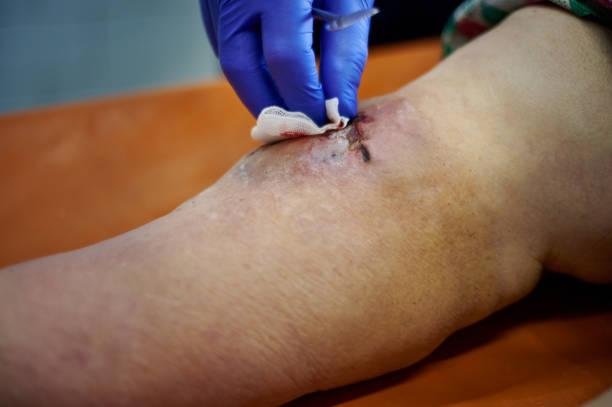
Severe diabetic wounds, especially foot ulcers, are among the most serious complications of diabetes. When blood sugar levels remain uncontrolled and circulation is poor, even minor injuries can develop into deep, infected wounds. If not treated properly, these wounds may progress to tissue death and, in extreme cases, lead to amputation. Early care and proper management are therefore critical.
In advanced clinical care, Chronic wound care Riyadh focuses heavily on limb preservation strategies, early intervention, and multidisciplinary wound management to reduce the risk of amputation in diabetic patients.
- Prevents progression of infection
- Supports tissue healing and recovery
- Improves blood circulation in affected areas
- Reduces risk of limb loss
Why Diabetic Wounds Become Severe
Diabetes affects multiple systems in the body, especially blood circulation and nerve function. This makes wound healing slower and increases the risk of unnoticed injuries.
Key Causes of Severity
- Poor blood circulation (ischemia)
- Nerve damage (neuropathy)
- High blood sugar levels
- Delayed wound detection
- Weak immune response
Early Detection is Critical
Detecting diabetic wounds early can significantly reduce the risk of complications.
Warning Signs
- Persistent foot pain or numbness
- Open sores that do not heal
- Swelling or redness in the foot
- Foul odor or discharge
- Darkening of skin or tissue
Blood Sugar Control and Its Importance
Maintaining stable blood glucose levels is one of the most important steps in preventing wound complications.
Benefits of Good Control
- Improves immune response
- Enhances blood flow
- Speeds up tissue repair
- Reduces infection risk
Proper Wound Care and Cleaning
Regular and correct wound care is essential to prevent infection and tissue damage.
Best Practices
- Clean wounds with sterile solutions
- Apply appropriate dressings
- Change dressings regularly
- Avoid self-treatment or delay
Role of Infection Control
Infection is the main factor that leads to worsening diabetic wounds and possible amputation.
Infection Prevention Methods
- Antibiotic therapy when needed
- Wound culture testing
- Regular medical monitoring
- Use of antiseptic dressings
In specialized care settings, Chronic Wounds Treatment in Riyadh emphasizes strict infection control protocols to prevent progression to severe complications.
Improving Blood Circulation
Poor circulation is a major barrier to healing in diabetic patients.
Methods to Improve Circulation
- Regular physical activity (as advised)
- Vascular treatments if required
- Avoiding smoking
- Elevating affected limbs when necessary
Advanced Wound Care Techniques
Modern treatments help save limbs by promoting faster and deeper healing.
Common Approaches
- Debridement of dead tissue
- Negative pressure wound therapy
- Skin grafting when needed
- Advanced wound dressings
Importance of Foot Care in Diabetes
Daily foot care can prevent small injuries from becoming serious wounds.
Preventive Measures
- Inspect feet daily
- Wear proper footwear
- Keep feet clean and dry
- Avoid walking barefoot
Multidisciplinary Treatment Approach
Preventing amputation requires coordinated care from multiple specialists.
Care Team Includes
- Wound care specialists
- Diabetologists
- Vascular surgeons
- Infection control experts
Conclusion
Preventing amputation in severe diabetic wounds requires early detection, strict blood sugar control, proper wound care, and advanced medical treatment. With timely intervention and comprehensive care strategies, most diabetic wounds can be managed effectively, reducing the risk of serious complications. A proactive approach is key to preserving limb health and improving quality of life.
Book an Appointment
If you or a loved one is dealing with a diabetic wound or slow-healing ulcer, early treatment is essential to prevent complications. At Royal Clinic Saudia, patients receive advanced diabetic wound care and limb-saving treatment strategies tailored to their condition. Booking an appointment ensures expert evaluation and timely medical intervention.
FAQs:
What is the main cause of amputation in diabetic wounds?
The main cause is severe infection combined with poor blood circulation that leads to tissue death.
Can diabetic foot ulcers be treated without amputation?
Yes, with early diagnosis and proper treatment, most diabetic wounds can heal without amputation.
How important is blood sugar control in wound healing?
It is very important because uncontrolled sugar slows healing and increases infection risk.
What is the best way to prevent diabetic wound complications?
Regular foot care, infection control, and early medical treatment are the most effective preventive measures.




 English
 French
 Spanish
 Portuguese
 Deutsch
 Turkish
 Dutch
Dutch
 Italiano
 Russian
 Romaian
 Portuguese (Brazil)
 Greek
Greek