


Can Laser Stretch Mark Removal Help Fade Deep Stretch Marks?
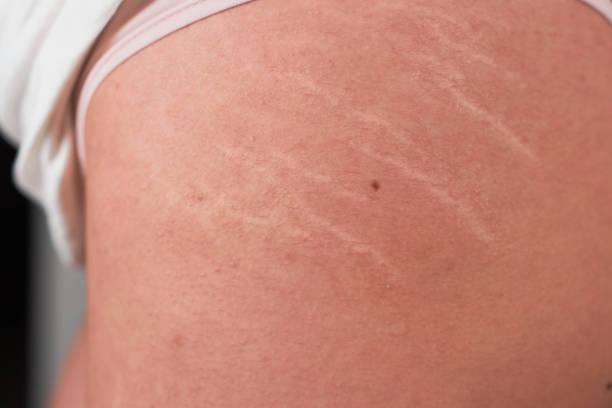
Deep stretch marks can be difficult to address because they involve changes in the skin's deeper supporting structures. These marks may appear as noticeable lines, shallow indentations, or uneven areas that differ in color and texture from the surrounding skin. They commonly develop after pregnancy, rapid weight changes, puberty, or muscle growth. Stretch mark removal in Riyadh (ليزر علامات التمدد) may include laser treatments designed to stimulate collagen production, improve skin texture, and reduce the visibility of established stretch marks. Although laser procedures can help fade some deep marks, the results depend on their age, depth, skin type, and individual healing response.
What Are Deep Stretch Marks?
Stretch marks, medically known as striae, develop when the skin stretches faster than its supporting structures can adapt. This can disrupt collagen and elastin fibers in the dermis, the deeper layer of the skin.
Deep stretch marks may have a more noticeable texture than superficial lines. They can appear slightly indented, wrinkled, or different in thickness from the surrounding skin. Older marks often become white or silver, while newer ones may appear red, pink, or purple.
Because these changes involve the deeper skin layers, topical products alone may not provide significant improvement in established stretch marks. Treatments that support collagen remodeling may be considered to address their texture and appearance.
Can Laser Treatment Help Fade Deep Stretch Marks?
Yes, certain laser treatments can help reduce the appearance of deep stretch marks. They work by delivering controlled energy into selected skin layers, encouraging the body's natural healing response and supporting collagen remodeling.
Depending on the laser technology, treatment may help:
-
Improve uneven skin texture.
-
Reduce the appearance of shallow indentations.
-
Encourage collagen production.
-
Soften the appearance of established stretch marks.
-
Improve certain color differences between marks and surrounding skin.
However, laser treatment does not guarantee complete removal. Deep or mature stretch marks may become less noticeable without disappearing entirely.
How Does Laser Stretch Mark Removal Work?
Laser procedures use focused light energy to target specific skin structures. The treatment approach depends on the type of laser selected and the characteristics of the stretch marks.
Stimulating Collagen Production
Certain lasers create controlled thermal effects in the skin. This activates the natural repair process and may encourage the production and remodeling of collagen. Over time, these changes can help improve the appearance of uneven or indented areas.
Supporting Skin Renewal
Some laser technologies target the skin's surface and stimulate renewal. This may help improve texture and create a smoother-looking appearance. The depth and intensity of treatment are adjusted according to the patient's skin condition and treatment goals.
Addressing Pigmentation Changes
Some stretch marks have a noticeable color difference compared with the surrounding skin. Selected laser technologies may help address certain pigment or redness concerns. However, the appropriate wavelength must be chosen carefully to reduce the risk of unwanted pigmentation changes.
Which Laser Treatments May Be Used for Deep Stretch Marks?
Different laser technologies address different skin concerns. A practitioner selects the appropriate option after evaluating the stretch marks and skin type.
Fractional Laser Treatment
Fractional lasers create controlled treatment zones in the skin while leaving surrounding tissue untreated. This encourages the healing response and may stimulate collagen remodeling. Fractional laser procedures can be considered for certain textural changes and shallow indentations associated with stretch marks.
Fractional CO2 Laser
Fractional CO2 laser treatment uses controlled energy to create microscopic areas of thermal injury. The resulting healing process may stimulate collagen production and improve skin texture. It can be useful for selected patients with established stretch marks, although it may involve more downtime and a greater risk of irritation or pigmentation changes than some gentler options.
Non-Ablative Laser Treatment
Non-ablative lasers deliver energy into the skin without removing its outer surface. They may encourage collagen remodeling with comparatively less surface disruption. Several sessions may be needed, and the degree of improvement depends on the depth of the marks and individual response.
Not every laser is suitable for every skin tone or type of stretch mark. A professional assessment is necessary before selecting a device.
Are Deep Stretch Marks More Difficult to Treat Than New Ones?
Deep and older stretch marks can be more challenging because their structural changes may be well established. Newer stretch marks often appear red, pink, or purple and may respond differently to treatments that target redness or early skin changes.
Older marks are commonly white or silver and may have a thinner or indented texture. Treatments that encourage collagen remodeling may be considered to improve these features.
However, age alone does not determine treatment success. The depth, location, skin tone, and overall condition of the affected area are also important.
How Many Laser Sessions Are Needed?
Laser treatment generally requires multiple sessions because collagen remodeling and skin renewal happen gradually. The number of appointments depends on the laser technology, the severity of the stretch marks, and how the skin responds.
Sessions are usually spaced apart to allow the treated skin to recover. A practitioner may evaluate the area after each appointment and adjust the treatment plan when necessary.
Patients should not expect deep stretch marks to disappear immediately. Improvements may develop over several weeks or months as the skin's natural repair process continues.
What Are the Possible Side Effects of Laser Treatment?
Temporary redness, swelling, warmth, sensitivity, and peeling may occur after laser treatment. Depending on the technology and individual skin characteristics, some patients may also experience blistering, infection, scarring, or temporary or lasting changes in pigmentation.
People with darker skin tones may need particular care because certain laser settings can increase the risk of post-inflammatory hyperpigmentation. A qualified practitioner should assess skin tone and select suitable settings before treatment.
Following aftercare instructions is important. Patients should avoid picking or scratching the treated area, limit sun exposure, and use recommended skincare products during recovery.
Who Is a Suitable Candidate for Laser Stretch Mark Removal?
Laser treatment may be considered by individuals who have visible stretch marks and want to improve their texture or appearance. Suitable candidates generally have realistic expectations and are willing to follow the recommended treatment and recovery plan.
A consultation is especially important for people with sensitive skin, a history of abnormal scarring, active skin infections, or medical conditions that may affect healing. Pregnancy, breastfeeding, and certain medications may also influence whether treatment should proceed or be postponed.
How to Support Results After Treatment
Good aftercare helps protect the skin while it recovers. Patients should keep the treated area clean, apply recommended moisturizers, and avoid harsh exfoliating products until the skin has healed.
Sun protection is particularly important for exposed areas because ultraviolet exposure can worsen pigmentation changes. Maintaining a relatively stable weight may also help reduce additional stretching of the skin.
These habits support skin health but cannot guarantee that stretch marks will not return or that all existing marks will disappear.
Explore Laser Stretch Mark Treatment at Royal Clinic Saudia
Laser procedures may help fade deep stretch marks by supporting collagen remodeling, improving texture, and reducing certain color differences. However, the degree of improvement varies, and complete removal cannot be guaranteed. If you are considering Stretch mark removal in Riyadh, a professional assessment can help determine whether laser treatment is suitable for your skin and the depth of your stretch marks. At Royal Clinic Saudia (عيادات رويال كلينك), patients can discuss available treatment options and receive guidance based on their individual concerns. With appropriate treatment selection and proper aftercare, Stretch mark removal in Riyadh may help make deep stretch marks less noticeable and support smoother-looking skin.
 Spanish
 English
 Arabic
 French
 Portuguese
 Deutsch
 Turkish
 Dutch
 Italiano
 Russian
 Romaian
 Portuguese (Brazil)
 Greek