


Is Eyelid Surgery a Permanent Solution for Droopy Eyelids?
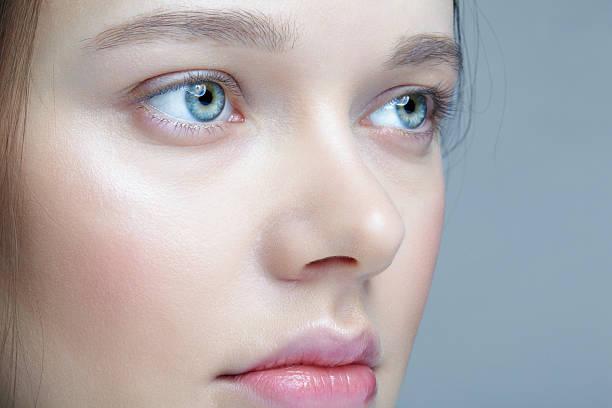
Droopy eyelids can affect facial appearance and, in some cases, interfere with everyday vision. They may develop because of aging, weakened eyelid muscles, excess skin, or inherited characteristics. Many people consider surgery to improve eyelid position and achieve a more refreshed appearance, but an important question is whether the results last permanently. Eyelid Surgery in Riyadh (جراحة رأب الجفن في الرياض) can provide long-lasting improvement for suitable patients, although the outcome depends on the underlying cause, surgical technique, and natural aging process. Understanding what surgery can and cannot achieve helps patients develop realistic expectations before treatment.
What Causes Droopy Eyelids?
Droopy eyelids can develop for several reasons, and identifying the cause is essential when selecting an appropriate treatment.
Age-Related Skin Changes
As the skin ages, it gradually loses collagen and elasticity. This can cause excess skin to develop around the upper eyelids, creating folds that make the eyes appear heavy or less open.
Weakening of Eyelid Muscles
The muscle responsible for lifting the upper eyelid may become stretched or weakened over time. This condition, known as acquired ptosis, can cause the eyelid margin itself to sit lower than its normal position.
Genetic Factors
Some people naturally have drooping or heavier-looking eyelids because of inherited characteristics. These concerns may become noticeable during early adulthood or gradually become more prominent with age.
Medical Conditions and Previous Procedures
Certain neurological or muscular conditions, injuries, and previous eye procedures may affect eyelid position. In these situations, the underlying medical cause should be evaluated before cosmetic treatment is considered.
Is Eyelid Surgery a Permanent Solution?
Eyelid surgery can provide long-lasting improvement, but it cannot stop the natural aging process. When excess skin is removed, that specific tissue does not simply grow back in the same way. However, the surrounding skin and supporting structures continue to change over time.
If drooping is caused by excess skin, upper blepharoplasty may reduce the heavy appearance by removing carefully measured amounts of loose tissue. If the problem involves a weakened eyelid-lifting muscle, a different procedure called ptosis repair may be required.
The durability of the results varies between individuals. Some patients maintain their improvement for many years, while others may notice gradual changes as the skin and supporting tissues continue to age. Therefore, surgery should be viewed as a long-lasting improvement rather than a guarantee of permanently youthful eyelids.
How Does Eyelid Surgery Improve Droopy Eyelids?
The surgical approach depends on the structure responsible for the drooping. A surgeon examines the eyelid position, skin quality, muscle function, and surrounding tissues before recommending treatment.
Upper Blepharoplasty
Upper blepharoplasty focuses on removing or adjusting excess skin around the upper eyelids. An incision is generally placed within the natural eyelid crease, allowing the scar to become less noticeable as healing progresses.
The procedure may help reduce heavy folds, improve eyelid definition, and create a more open appearance. If excess skin is blocking the upper field of vision, surgery may also provide a functional benefit when the obstruction is confirmed through appropriate assessment.
Ptosis Repair
Ptosis repair addresses a low eyelid position caused by weakness or stretching of the eyelid-lifting mechanism. The surgeon adjusts the relevant muscle or supporting structures to improve the position of the upper eyelid.
This procedure is different from removing excess skin. In some patients, both ptosis repair and blepharoplasty may be recommended when muscle weakness and loose skin contribute to the concern.
What Factors Influence How Long the Results Last?
Several factors can affect the durability of eyelid surgery results.
-
Age and natural aging: Skin and supporting tissues continue changing after surgery.
-
Skin quality: Elasticity and tissue characteristics may influence long-term eyelid appearance.
-
Underlying cause: Excess skin and muscle-related ptosis require different surgical approaches.
-
Surgical technique: Appropriate planning and tissue adjustment are important for achieving stable results.
-
General health: Certain medical conditions and lifestyle factors may influence tissue health and healing.
-
Individual anatomy: Eyelid structure and facial characteristics can affect how results develop over time.
A detailed consultation helps patients understand which factors are most relevant to their situation.
Can Droopy Eyelids Return After Surgery?
Yes, eyelid drooping can gradually become noticeable again in some individuals. This does not necessarily mean that the original surgery was unsuccessful. Natural aging continues, and changes in the skin, muscles, and supporting tissues may affect eyelid position over time.
In cases of ptosis, the eyelid-lifting muscle may also change after surgery. Some patients may eventually require further evaluation or additional treatment if drooping returns or becomes functionally significant.
However, repeat surgery is not automatically necessary. The decision depends on the severity of the changes, visual function, eye health, and the patient's overall goals.
How Can You Maintain Your Results?
Although aging cannot be prevented, certain habits may help support skin health and protect the eye area.
Follow a Suitable Skincare Routine
Use gentle skincare products appropriate for the delicate skin around the eyes. Avoid applying irritating products close to healing incisions until the surgeon confirms they are safe.
Protect the Skin From Sun Exposure
Regular sun protection, including suitable sunglasses and sunscreen once approved by the medical team, may help reduce additional sun-related skin damage.
Maintain Healthy Lifestyle Habits
A balanced diet, adequate hydration, sufficient sleep, and avoiding smoking can support general skin and tissue health.
Attend Follow-Up Appointments
Follow-up visits allow the surgeon to monitor healing, assess eyelid position, and address any concerns that develop over time.
Who May Benefit From Eyelid Surgery?
People with persistent excess upper eyelid skin or medically assessed ptosis may be suitable candidates. The procedure may be considered for cosmetic reasons or when drooping interferes with vision.
Patients should have realistic expectations and understand the possible risks, including bruising, swelling, dry eyes, irritation, asymmetry, scarring, and changes in eyelid position. Individuals with existing eye conditions or previous eye surgery may need additional assessment before treatment.
Eyelid Surgery in Riyadh should be planned according to the patient's specific eyelid condition rather than age or appearance alone.
Conclusion
Eyelid surgery can provide long-lasting improvement for droopy eyelids, but it cannot prevent future age-related changes. The results depend on whether the concern is caused by excess skin, weakened muscles, or another condition. A professional evaluation helps determine the most appropriate procedure and establish realistic expectations about durability. For personalized advice about treatment options and long-term outcomes, consult Royal Clinic Saudia (عيادات رويال كلينك) to discuss your eyelid concerns with a qualified medical professional.
 Portuguese (Brazil)
 English
 Arabic
 French
 Spanish
 Portuguese
 Deutsch
 Turkish
 Dutch
 Italiano
 Russian
 Romaian
 Greek