


How to Help Young Children Develop Soccer Skills at an Early Age
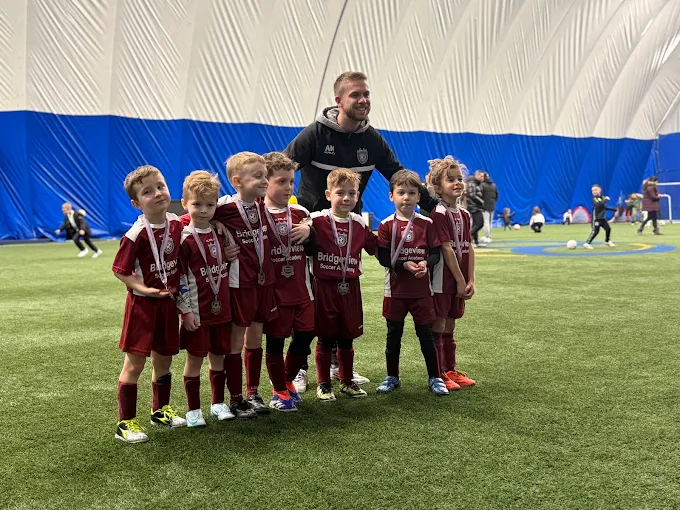
Introducing children to soccer at an early age can be a great way to encourage physical activity, creativity, and personal development. Soccer allows young players to explore movement, learn basic techniques, and enjoy playing with other children. With regular practice and positive guidance, they can gradually develop the skills needed to become confident players.
A supportive learning environment also makes a difference in how children approach sports. Through enjoyable activities and age-appropriate coaching, young athletes can develop an interest in soccer while learning important life skills.
1. Start With Basic Soccer Fundamentals
Children should begin by understanding the basic movements and techniques of soccer. Simple exercises help them become comfortable with the ball and improve their coordination.
Some essential soccer fundamentals include:
-
Dribbling: Learning to move the ball while maintaining control.
-
Passing: Practicing how to pass the ball accurately to teammates.
-
Shooting: Understanding basic kicking techniques and aiming.
-
Ball Control: Developing the ability to receive and control the ball.
-
Movement: Improving balance, speed, and coordination through simple activities.
These fundamental skills create a strong foundation for future soccer development.
2. Encourage Regular Practice and Physical Activity
Consistency is important when children are learning a new sport. Regular practice helps young players become familiar with different techniques and gradually improve their performance.
Parents can encourage children to stay active through:
-
Practicing simple ball-control exercises at home.
-
Playing friendly soccer games with friends.
-
Participating in outdoor physical activities.
-
Practicing passing and shooting techniques.
-
Joining age-appropriate soccer training sessions.
Making practice enjoyable helps children stay motivated and develop a positive attitude toward sports.
3. Develop Teamwork and Communication Skills
Soccer is a team sport that teaches children how to cooperate with others. During training sessions and matches, young players learn to communicate, share responsibilities, and work toward common goals.
Team participation helps children develop:
-
Better communication with teammates.
-
Respect for coaches and other players.
-
Confidence in making decisions.
-
Sportsmanship and fair play.
-
Problem-solving and leadership abilities.
These qualities support children's personal development beyond the soccer field.
4. Choose the Right Soccer Training Program
Selecting a suitable training program is important for children's learning and improvement. Different age groups and experience levels require different coaching methods and training activities.
At Bridgeview Soccer Academy, children have opportunities to learn soccer in a structured and encouraging environment. The academy provides professional coaching and programs designed to support young players at different stages of their development.
Parents can explore the available soccer programs and training services to discover suitable options for their children.
Some available training opportunities include:
-
Kinder Island: Fun introductory soccer activities for younger children.
-
Recreational Soccer: Basic training for children who want to learn and enjoy the game.
-
Pre-Academy: Skill development for players preparing for more advanced soccer.
-
Academy Team: Competitive training for young athletes looking to improve their performance.
-
Summer Programs: Engaging activities that combine soccer practice and recreation.
5. Build Confidence Through Positive Coaching
Positive encouragement plays an important role in helping children enjoy sports. Coaches who provide guidance, constructive feedback, and motivation can help young players feel comfortable trying new techniques.
Children should be encouraged to:
-
Learn from their mistakes.
-
Celebrate small improvements.
-
Support their teammates.
-
Stay focused during training.
-
Enjoy the learning process rather than focusing only on winning.
A positive coaching environment helps children become more confident and enthusiastic about developing their abilities.
Conclusion
Learning soccer at an early age provides children with valuable opportunities to improve their physical abilities, develop friendships, and build confidence. By practicing fundamental techniques, participating in team activities, and receiving proper coaching, young players can develop a strong foundation for their sporting journey.
Bridgeview Soccer Academy encourages children to explore their potential through structured soccer training and engaging programs. With consistent practice and the right guidance, every young player can enjoy learning the game while developing important skills for the future.
 Dutch
 English
 Arabic
 French
 Spanish
 Portuguese
 Deutsch
 Turkish
 Italiano
 Russian
 Romaian
 Portuguese (Brazil)
 Greek