


Visa Blood Test and HIV Screening: What Applicants Should Know
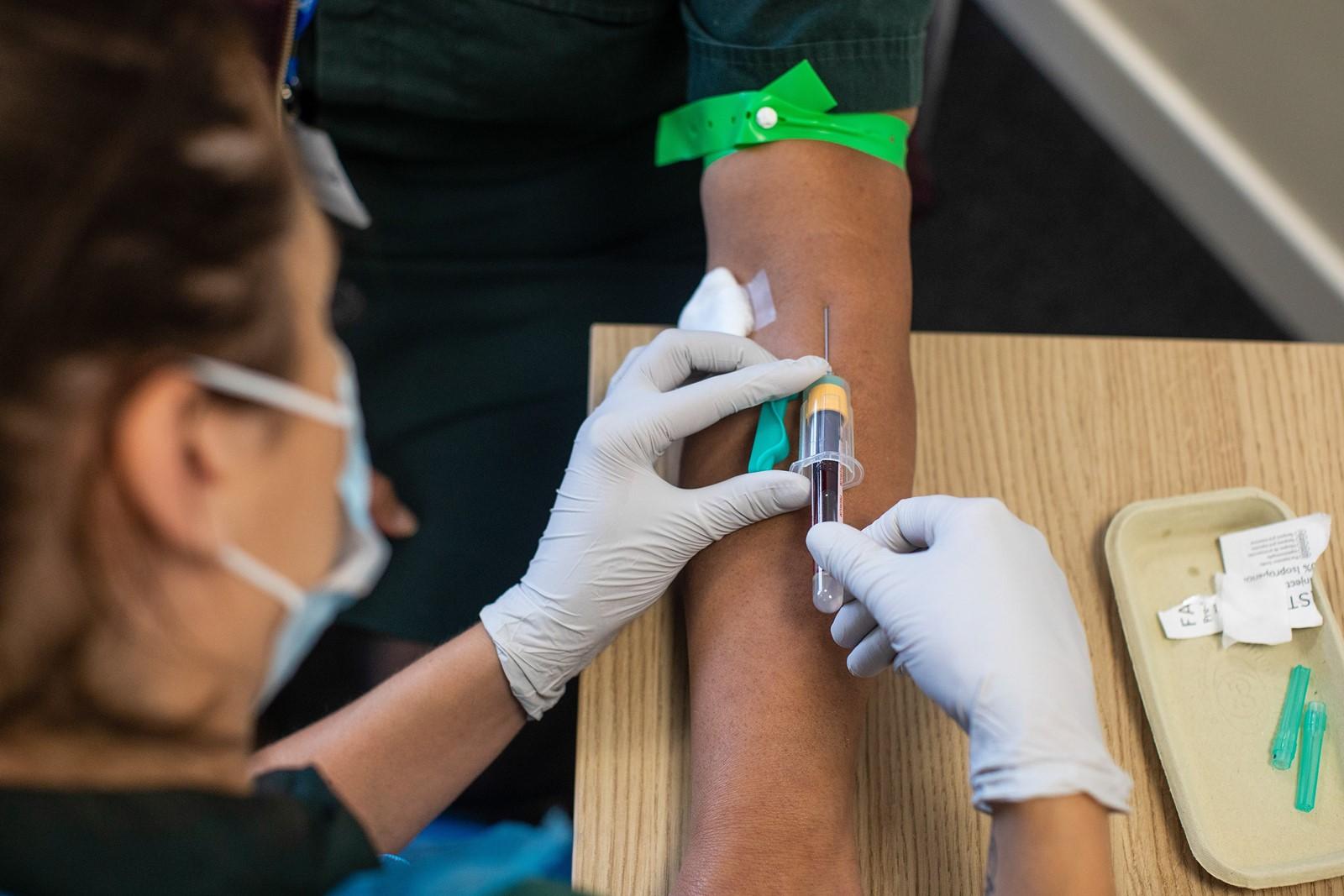
A visa medical examination can involve several health assessments, and HIV screening is one of the tests that may be required under certain immigration programs. For applicants, the possibility of an Visa Blood Test Dubai can raise questions about confidentiality, testing accuracy, preparation, and whether a reactive result could affect a visa application.
The most important point is that HIV testing requirements are not the same in every country or visa category. Some immigration programs include HIV screening, while others do not routinely require it. The consequences of a test result also depend on the destination country's current immigration rules and the type of visa being requested.
Understanding how HIV screening works can help applicants prepare for their immigration medical examination without unnecessary anxiety. This guide explains the purpose of the test, how results are interpreted, what happens after a reactive result, and where to find reliable information about visa medical requirements.
Why Is HIV Screening Included in Some Visa Medical Examinations?
HIV screening is included in certain immigration health programs as part of a broader medical assessment. Immigration authorities establish health requirements according to their own laws, public health policies, and visa categories.
The purpose of HIV screening is to identify evidence of HIV infection when testing is required. However, immigration medical examinations are not identical to ordinary health checkups. They follow specific rules established by the relevant authority.
HIV testing requirements may depend on:
-
The destination country
-
The type and duration of the visa
-
Whether the application is for temporary or permanent residence
-
The applicant's age or individual circumstances
-
Current immigration medical policies
For example, a medical examination for permanent residency may have different requirements from one for a short-term visitor visa. Applicants should never assume that an HIV test is compulsory for every immigration application.
Before attending an appointment, check the official immigration medical instructions or contact the authorized panel physician responsible for your examination.
What Does an HIV Blood Test Actually Detect?
An HIV blood test looks for biological markers associated with human immunodeficiency virus (HIV). Different tests detect different markers, and the method selected depends on the screening protocol.
Modern laboratory testing commonly uses one of the following approaches.
HIV Antibody Tests
These tests look for antibodies produced by the immune system in response to HIV infection.
Antibodies take time to develop after exposure. This means an antibody test performed too early may not detect an infection.
HIV Antigen Tests
Some tests detect the p24 antigen, a protein associated with HIV. This marker can become detectable earlier than antibodies in the course of infection.
Fourth-Generation HIV Tests
Laboratory-based fourth-generation HIV screening tests detect both HIV-1/2 antibodies and the p24 antigen.
By checking for more than one marker, these tests can identify many infections earlier than antibody-only testing.
However, no test can detect every infection immediately after exposure. The timing of testing remains important, and the appropriate testing window depends on the test method.
How Is HIV Screening Performed During a Visa Medical Examination?
The process is generally straightforward and is performed by trained healthcare or laboratory staff.
Step 1: Registration and identity verification
The clinic confirms the applicant's identity and checks the medical examination requirements for the relevant immigration program.
Step 2: Medical history review
The healthcare professional may ask questions about previous diagnoses, current treatment, and relevant medical history. Applicants should provide accurate information.
Step 3: Blood sample collection
A trained professional usually collects a blood sample from a vein in the arm using sterile equipment.
Step 4: Laboratory testing
The sample is sent for the HIV screening method required by the medical program. Laboratory staff process the sample according to established procedures.
Step 5: Medical review and reporting
The result is reviewed and handled through the immigration program's required medical reporting process. If further testing is necessary, the applicant may receive additional instructions.
Not every clinic follows precisely the same administrative process, but the medical purpose remains to complete the required screening accurately and securely.
How Accurate Are HIV Screening Tests for Visa Applicants?
Modern laboratory HIV screening tests are highly reliable when performed at the appropriate time and interpreted correctly.
However, accuracy depends on the test method, timing, sample quality, and individual circumstances.
Two important concepts help explain test performance:
-
Sensitivity: The ability of a test to identify people who have the condition.
-
Specificity: The ability of a test to correctly identify people who do not have the condition.
A test with high sensitivity is designed to reduce missed infections, while high specificity helps reduce false-positive findings.
Understanding the HIV Window Period
The window period is the time between potential exposure to HIV and the point when a particular test can reliably detect infection.
Different tests have different window periods. A laboratory antigen/antibody test generally detects infection earlier than an antibody-only test, but testing immediately after exposure may still be too early.
If there has been a recent possible exposure, applicants should discuss the timing with a qualified healthcare professional. Repeat testing may be recommended depending on the test used and the circumstances.
A negative result should always be interpreted in relation to the test's window period.
What Does a Reactive HIV Screening Result Mean?
Receiving a reactive HIV screening result can be worrying, but it is important not to assume that an initial result is a confirmed diagnosis.
A screening test is designed to identify samples that may need additional investigation. A reactive result means that the screening method has detected markers requiring further assessment.
It does not automatically establish that the person has HIV.
The next steps may include:
-
Additional laboratory testing using a different method.
-
An HIV-1/HIV-2 differentiation assay, where appropriate.
-
HIV nucleic acid testing (NAT) if the results remain unclear or further clarification is needed.
-
Clinical interpretation by a qualified healthcare professional.
The exact testing sequence depends on the laboratory protocol and applicable clinical guidance.
If a result is reactive, follow the instructions provided by the authorized medical provider. Avoid relying on assumptions or interpreting a screening report without professional guidance.
Can You Get a Visa if Your HIV Test Is Positive?
This is one of the most important questions for applicants living with HIV.
The answer depends on the destination country's immigration laws and the specific visa category. Some immigration programs do not use HIV status as an automatic barrier to eligibility, while other programs may have particular medical requirements or assessment procedures.
Immigration policies can change, so general information should not be treated as a guarantee of approval or refusal.
Applicants should consider three separate issues:
The medical result: A confirmed HIV diagnosis is a medical finding that should be interpreted by a qualified healthcare professional.
The immigration health assessment: The authorized medical provider completes the assessment required by the relevant program.
The visa decision: The immigration authority applies its own eligibility rules and makes the final decision.
These are separate stages. A laboratory result alone does not determine every aspect of an immigration application.
If you are living with HIV and planning to apply for a visa, review the official immigration medical policy for your destination country. You may also wish to seek advice from a qualified immigration professional familiar with that country's current rules.
Confidentiality: Who Can Access Your HIV Test Results?
Medical information is sensitive, and applicants may understandably want to know how their HIV screening results are handled.
Authorized medical providers and immigration programs generally follow defined procedures for collecting, processing, and reporting medical information. The exact confidentiality and disclosure rules depend on the destination country's laws and immigration system.
Applicants should ask the clinic:
-
How medical results are stored
-
Who is authorized to access the report
-
How results are submitted to the immigration authority
-
Whether additional consent or documentation is required
-
How they can request information about their medical records
Use an authorized clinic and provide information through its official channels. Avoid sending sensitive medical reports to unverified individuals or unofficial websites.
Do You Need to Fast Before an HIV Blood Test?
In most cases, fasting is not required for an HIV screening test.
HIV antigen and antibody tests do not usually depend on whether an applicant has eaten before sample collection.
However, a visa medical examination may include other blood tests that have separate preparation requirements. For example, a fasting glucose test may require a period without food.
Always follow the instructions provided by your medical provider. Do not fast unnecessarily or stop prescribed medication unless a qualified healthcare professional specifically advises you to do so.
Practical Advice Before Your Visa HIV Screening Appointment:
A few simple steps can help make the medical examination easier.
-
Confirm the test requirements: Check which investigations are required for your visa category.
-
Attend an authorized medical facility: Some immigration programs only accept examinations completed by designated panel physicians.
-
Bring identification and requested documents: This helps prevent administrative delays.
-
Share relevant medical information: Be accurate when discussing previous diagnoses or treatment.
-
Ask about recent exposure: If you have concerns about a possible recent exposure, discuss the timing of testing with a healthcare professional.
-
Follow additional testing instructions: Complete any repeat or confirmatory tests requested by the clinic.
-
Keep your appointment records: Retain relevant documentation for your own reference.
Routine HIV screening results may be available within a few working days, but this is only a general estimate. Actual turnaround times vary according to laboratory procedures, additional testing, and the medical provider's reporting process.
Frequently Asked Questions About Visa Blood Tests and HIV Screening:
Is HIV testing compulsory for every visa application?
No. HIV testing requirements vary by country, visa category, and immigration medical policy. Not every applicant needs an HIV blood test.
Can a visa HIV test produce a false-positive result?
Yes. A screening test can occasionally produce a reactive result that is not confirmed by additional testing. Confirmatory investigations are used to clarify the finding.
Can an HIV test be negative after recent exposure?
Yes. Testing during the window period may produce a negative result even if infection has occurred. The appropriate follow-up depends on the test method and timing.
Does a reactive HIV screening result mean automatic visa rejection?
No. A reactive screening result is not automatically a confirmed diagnosis or a visa refusal. Further testing and immigration-specific assessment may be required.
Can people living with HIV apply for permanent residency?
Possibly. Eligibility depends on the destination country's current immigration rules and the relevant visa category. Applicants should check official requirements rather than relying on general assumptions.
Is HIV screening painful?
The test usually involves a standard blood draw from a vein in the arm. Applicants may feel a brief pinch or mild discomfort during sample collection.
Conclusion:
HIV screening Lab tests may be included in some immigration medical examinations, but it is not a universal requirement for every visa applicant. Modern laboratory tests are highly reliable when used at the appropriate time, although the window period and possibility of reactive screening results must be understood.
A reactive result does not automatically mean a confirmed HIV diagnosis, and a confirmed diagnosis does not have the same immigration consequences in every country. Medical assessment and visa eligibility are governed by separate processes.
Before your appointment, review the official requirements for your destination, attend an authorized medical provider, and ask a healthcare professional about any concerns involving testing accuracy, recent exposure, or confidentiality. Accurate information and appropriate medical guidance are the best ways to approach HIV screening during the visa application process.
 Portuguese
 English
 Arabic
 French
 Spanish
 Deutsch
 Turkish
 Dutch
 Italiano
 Russian
 Romaian
 Portuguese (Brazil)
 Greek