

Hair Loss Treatment Insights for Sudden and Gradual Hair Shedding
Hair shedding can be concerning when you suddenly notice more strands on your pillow, brush, or in the shower. While some daily shedding is completely normal, a sudden increase or gradual reduction in hair density may point to different underlying factors. Stress, hormonal changes, genetics, nutritional concerns, aging, medications, and scalp conditions can all influence the hair-growth cycle. Understanding the difference between temporary shedding and progressive thinning is an important first step when considering Hair loss treatment in Riyadh.
Understanding Sudden and Gradual Hair Shedding
Not all hair loss follows the same pattern. Sudden shedding may develop after significant stress, illness, hormonal changes, nutritional deficiencies, or other temporary triggers. Gradual hair thinning is more commonly associated with genetics, aging, or long-term changes in the hair-growth cycle. Recognizing how and when your hair loss started can provide useful information during a professional consultation and help determine the most appropriate approach.
Signs You Should Pay Attention To
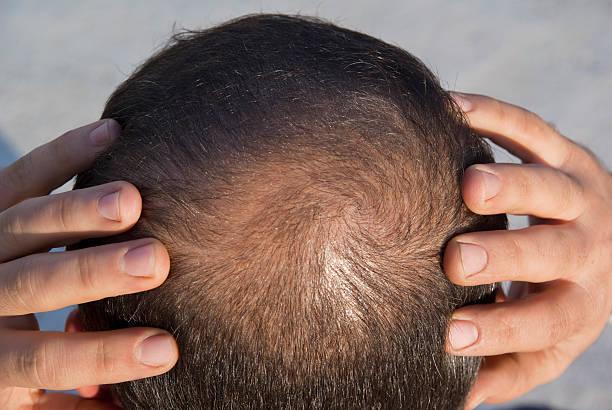
Changes such as excessive hair on your brush, noticeable scalp visibility, a widening part, receding hairline, reduced crown density, or patchy areas may indicate that your shedding deserves closer attention. If the change continues instead of settling naturally, professional evaluation can help identify possible causes. Early attention may also make it easier to develop a suitable plan for maintaining existing hair and improving its overall appearance.
Common Causes Behind Hair Shedding
Genetics are a major contributor to progressive hair loss, but they are not the only factor. Hormonal fluctuations, prolonged stress, nutritional imbalances, certain medications, lifestyle changes, and scalp disorders can also affect hair growth. In some cases, several factors may occur together. Because different causes can produce similar symptoms, identifying the underlying issue is more useful than simply focusing on the amount of hair being shed.
Why Scalp Health Matters
The condition of the scalp can influence the environment in which hair grows. Excessive oiliness, dryness, irritation, inflammation, or other scalp concerns may affect hair quality and comfort. Maintaining gentle scalp-care habits can support overall hair health, but persistent problems should be assessed professionally. A specialist can examine the scalp and determine whether additional care may be appropriate.
How Is Hair Loss Evaluated?
A professional assessment usually includes questions about when the shedding began, whether it is sudden or gradual, family history, lifestyle factors, and any recent changes that could affect the hair-growth cycle. The scalp and hair density may also be examined to understand the pattern of thinning. Depending on the individual situation, further evaluation may be recommended to identify possible contributing factors.
The Importance of Personalized Treatment
There is no single approach that works for every type of hair loss. A personalized plan considers the cause, pattern, severity, scalp condition, existing hair density, and individual goals. This helps the specialist select an approach that is more closely aligned with the patient's needs while also establishing realistic expectations about potential improvement.
Treatment Approaches for Hair Shedding
Modern hair-restoration care can involve different treatment approaches depending on the underlying cause. Some options focus on supporting follicle activity and improving the scalp environment, while others aim to encourage healthier-looking growth or improve the appearance of reduced density. The selected approach should be based on professional assessment rather than simply choosing a treatment because it is popular or widely advertised.
Supporting Hair Between Treatments
Healthy everyday habits can complement professional care. Gentle hair handling, balanced nutrition, effective stress management, and avoiding excessive heat or harsh chemical treatments may help protect fragile strands. Tight hairstyles that repeatedly pull on the roots can also contribute to hair damage. These measures can support existing hair but may not address progressive or hereditary hair loss on their own.
What Should You Expect From Treatment?
Hair grows gradually, so treatment results generally require patience. The outcome can depend on the cause of shedding, severity of thinning, selected approach, individual response, and consistency with recommended care. Some people may notice changes in hair appearance over time, while others may need ongoing management. A specialist can explain the expected process and help you understand what type of improvement may be realistic.
Choosing the Right Hair Loss Treatment
When hair shedding continues, choosing treatment should begin with understanding its underlying cause. Hair loss treatment in Riyadh can include different approaches for different patterns of shedding and thinning. When selecting a clinic, consider specialist experience, available treatment options, professional standards, hygiene, technology, and the quality of consultation. A personalized assessment can help you make a more informed decision and choose a treatment strategy suited to your individual concerns.
Take Action When Hair Shedding Changes
Sudden or gradual hair shedding does not always mean permanent hair loss, but persistent changes should not be overlooked. Understanding your shedding pattern, identifying potential triggers, and seeking professional guidance can help you approach the concern with greater confidence. With an individualized plan, it may be possible to support healthier-looking hair and address factors contributing to reduced density.
Book an Appointment
If you have noticed sudden shedding or gradual thinning, a professional consultation can help you understand your hair and scalp concerns. At Royal Clinic Saudi, specialists can assess your condition and guide you toward a personalized treatment approach. Book an appointment today to take the next step toward healthier-looking hair.
FAQs:
What can cause sudden hair shedding?
Stress, illness, hormonal changes, nutritional concerns, and other temporary factors may contribute.
Is gradual hair thinning always genetic?
No. Genetics are common, but hormones, aging, scalp concerns, and other factors can also contribute.
When should I see a hair specialist?
Seek professional advice when excessive shedding persists or noticeable thinning continues.
Can hair shedding be reduced with treatment?
Treatment may help depending on the underlying cause and individual response.
 Spanish
 English
 Arabic
 French
 Portuguese
 Deutsch
 Turkish
 Dutch
Dutch
 Italiano
 Russian
 Romaian
 Portuguese (Brazil)
 Greek
Greek