


Rodent Control NYC: Effective Solutions for Staten Island Properties
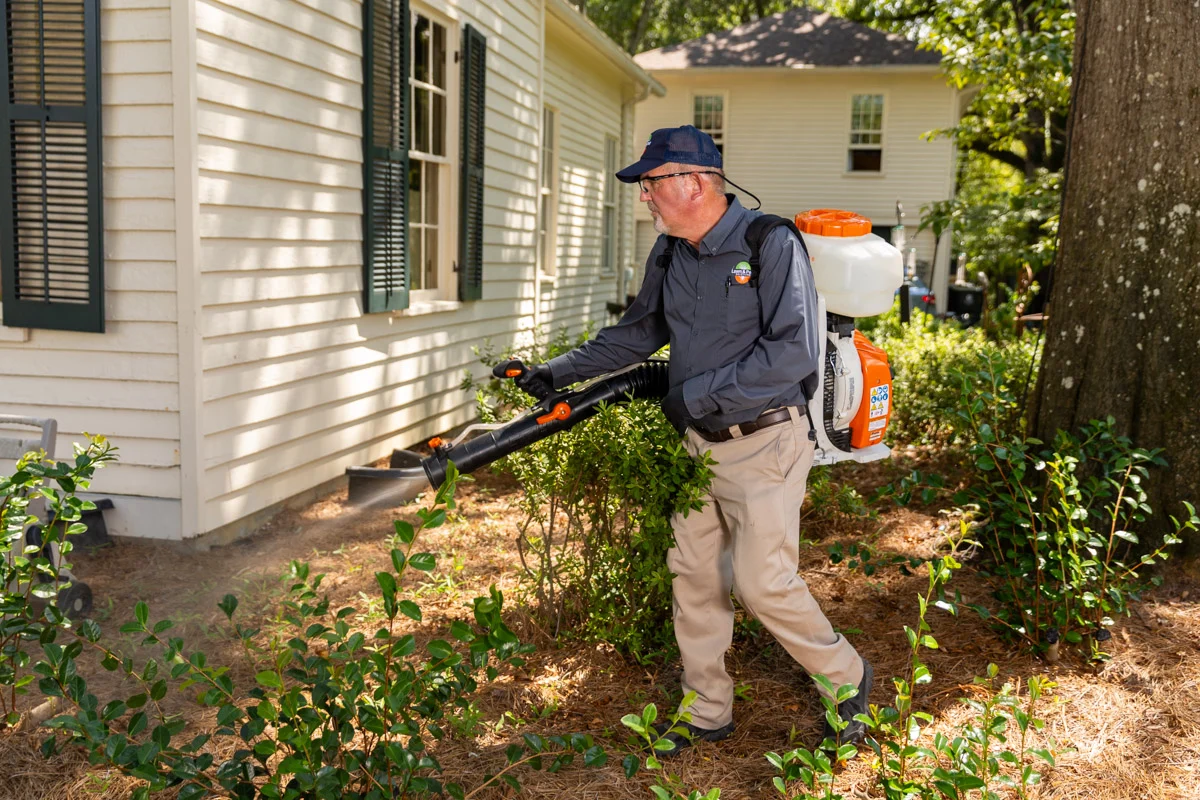
Rodent problems can quickly become a serious concern for homeowners and businesses across New York City. Professional rodent control nyc services help identify where rats and mice are entering, remove conditions that attract them, and reduce the risk of recurring infestations. For property owners near 33 Uxbridge St, Staten Island, NY 10314, United States, Metropolitan Pest Services provides professional pest control solutions designed to address rodent activity while helping protect homes, businesses, food areas, storage spaces, and outdoor property.
Rats and mice are attracted to properties where food, water, shelter, and easy access are available. Garbage, clutter, open food containers, cracks, damaged foundations, overgrown landscaping, and poorly sealed doors can all create favorable conditions. Effective rodent management therefore requires more than simply placing traps or bait. A complete solution should identify the reason rodents are present and address the conditions that allow them to remain.
Why Rodent Problems Are Common in NYC
New York City provides many of the conditions rodents need to survive. Dense buildings, underground spaces, garbage storage areas, restaurants, residential properties, construction zones, parks, alleys, and older structures can all provide access to food and shelter.
The NYC Health Department explains that rats commonly seek locations that provide food, water, shelter, and safe routes for movement. Garbage and clutter can provide both food and hiding places, while cracks and holes can give rodents access to buildings.
Staten Island properties are not immune to these challenges. Rodents can appear around homes, garages, basements, commercial buildings, yards, sheds, and waste storage areas. Once they find a reliable source of food or shelter, they may continue returning to the same property.
This is why early action is important. A small rodent problem can become much harder to manage when nesting areas and travel routes become established.
Common Signs of Rats and Mice
Rodents are often active when people are sleeping, so seeing an animal is not always the first warning sign. Property owners should pay attention to smaller indicators that may suggest an infestation.
Common signs include:
Droppings
Small dark droppings around cabinets, storage areas, basements, kitchens, garages, or food storage spaces can indicate rodent activity. Fresh droppings may suggest that rodents are still actively using the area.
Gnaw Marks
Rats and mice constantly gnaw because their teeth continue growing. Damaged food packaging, wood, insulation, plastic, wires, and other materials can indicate activity.
Scratching or Movement Sounds
Scratching sounds inside walls, ceilings, attics, or other hidden areas may indicate that rodents are moving through the structure.
Grease or Rub Marks
Rodents often travel along walls and established pathways. Repeated movement can leave dark or greasy marks along frequently used routes.
Nesting Materials
Shredded paper, fabric, cardboard, insulation, and other soft materials can be used to create nests in hidden areas.
Unusual Pet Behavior
Dogs and cats may become interested in walls, cabinets, ceilings, or other areas where rodents are hiding.
If several of these signs appear together, professional inspection can help determine the extent of the problem.
Why Rodents Should Not Be Ignored
Rodents are more than an unpleasant nuisance. They can contaminate food and surfaces, damage property, and create concerns for building occupants.
Rats can contaminate food and contribute to public health concerns, while mice can contaminate food and their urine and dander may aggravate allergy or asthma symptoms in sensitive individuals.
Rodents can also damage electrical wiring, insulation, walls, stored materials, and other parts of a building. Their nesting behavior may create additional problems when they settle in areas that are difficult to access.
For businesses, an infestation can affect customer confidence and create operational concerns. Restaurants, food storage facilities, offices, warehouses, and retail locations may require especially careful rodent management.
What Attracts Rodents to Your Property?
Understanding what attracts rodents is one of the most important parts of prevention.
Accessible Food
Open garbage, uncovered food, pet food, food waste, and poorly stored products can attract rodents. Food should be stored in sealed containers, while garbage should be kept in secure containers with tight fitting lids.
Standing Water
Rodents need water to survive. Leaking pipes, outdoor containers, drainage problems, and standing water can make an area more attractive.
Clutter and Shelter
Boxes, cardboard, piles of materials, overgrown vegetation, and unused storage areas can provide hiding and nesting opportunities.
Entry Points
Small cracks and openings around foundations, doors, windows, pipes, vents, roofs, and utility connections can allow rodents to enter buildings.
Outdoor Landscaping
Dense vegetation, unmanaged shrubs, litter, and poorly maintained outdoor areas can provide shelter and travel routes.
Removing these conditions makes the property less attractive and supports long term rodent prevention.
How Professional Rodent Control Works
Effective rodent management should begin with a detailed inspection rather than immediately applying products.
A professional technician can examine interior and exterior areas for signs of activity, identify possible entry points, inspect food and waste sources, and look for nesting or travel areas.
NYC Health guidance for pest management professionals emphasizes inspection before treatment and recommends developing a treatment plan based on inspection findings.
A professional program may include several steps.
Property Inspection
The first step is identifying where rodents are active and how they are accessing the property.
Entry Point Identification
Cracks, gaps, holes, damaged doors, foundation openings, and other access points should be identified so corrective work can be planned.
Sanitation Recommendations
Removing food, garbage, clutter, and other attractants can reduce the resources available to rodents.
Trapping and Monitoring
Depending on the situation, appropriate trapping and monitoring methods may be used to reduce activity and determine whether the infestation is improving.
Baiting When Appropriate
Rodent bait should be handled carefully. NYC Health recommends that effective poisons used for rats be applied by properly trained pest management professionals, particularly in commercial and multi unit properties.
Follow Up Visits
Rodent control is often not a one visit process. Monitoring helps determine whether activity has decreased and whether additional treatment or repairs are needed.
Why Sealing Entry Points Matters
Removing rodents without addressing how they enter can lead to repeated infestations.
A property may look clean while rodents continue entering through a small opening near a foundation, door, pipe, wall, roof, or utility connection. Sealing these access points helps make the building more difficult for rodents to enter.
NYC Health recommends repairing cracks and holes in foundations, walls, floors, underneath doors, and around windows.
Property owners should also inspect areas around garages, basements, crawl spaces, storage rooms, and utility penetrations. Even small gaps deserve attention because rodents can use surprisingly small openings to gain access.
Rodent Prevention Tips for Staten Island Property Owners
Professional treatment works best when combined with good property maintenance.
Keep garbage inside sturdy containers with secure lids. Avoid leaving exposed food or food waste outdoors. Store pet food properly and clean up spilled food promptly.
Keep basements, garages, storage rooms, and outdoor areas free from unnecessary clutter. Cardboard, paper bags, unused materials, and other items can provide places for rodents to hide.
Trim vegetation around buildings and avoid allowing dense plants to grow directly against walls. Keep outdoor areas clean and remove unnecessary debris.
Inspect the exterior of the building regularly. Look for cracks, holes, damaged screens, gaps beneath doors, and openings around pipes.
Inside the property, keep food in sealed containers and clean food preparation areas regularly. These simple habits can reduce the conditions that encourage rodents to stay.
Why Professional Pest Control Is Better Than DIY Treatment
DIY traps and products may help in limited situations, but they may not solve the underlying problem when an infestation is established.
A homeowner may catch one or two rodents while others remain hidden inside walls, ceilings, basements, or outdoor areas. Without identifying entry points and nesting locations, the problem can return.
Professional Pest Control focuses on the entire situation. This includes identifying signs of activity, understanding rodent movement, addressing attractants, recommending exclusion measures, and monitoring results.
Professional treatment is particularly useful for businesses, multi unit properties, restaurants, rental properties, warehouses, and homes with repeated rodent activity.
Rodent Control for Homes and Businesses
Residential properties can experience rodent activity in kitchens, basements, garages, attics, storage rooms, and wall spaces. Families may notice noises at night, droppings, damaged food packaging, or unusual odors.
Commercial properties can face additional challenges because food, waste, deliveries, storage areas, and multiple entry points may create favorable conditions for rodents.
A professional program can be adapted to the property type. Metropolitan Pest Services can help property owners identify potential problem areas and develop a practical pest control approach based on the condition of the property.
For properties around Staten Island, early inspection can help prevent a minor issue from becoming a larger infestation.
Why Choose Metropolitan Pest Services?
Metropolitan Pest Services focuses on practical pest management for property owners who need dependable solutions. The goal is not simply to respond to visible rodents but to understand why they are appearing and what can be done to reduce future activity.
A professional service should provide clear information about the infestation, explain recommended treatment steps, identify conditions that may contribute to the problem, and provide guidance for prevention.
For homeowners and businesses near 33 Uxbridge St, Staten Island, NY 10314, United States, working with a local pest control provider can make it easier to address rodent concerns before they become more difficult and expensive to manage.
When Should You Call a Professional?
You should consider professional help when you repeatedly see rats or mice, find fresh droppings, hear scratching inside walls, discover nesting materials, notice damaged food packaging, or find signs of gnawing.
Professional assistance is also appropriate when DIY methods have failed or when rodents keep returning after treatment.
The sooner an infestation is investigated, the easier it may be to identify entry points and contributing conditions. Waiting until rodent activity becomes severe can allow the problem to spread to additional areas of a building.
A Long Term Approach to Rodent Management
Successful rodent management is about prevention as much as removal. Cleaning, proper garbage storage, sealing openings, maintaining landscaping, eliminating water sources, and monitoring for new signs can all contribute to a healthier property.
NYC Health also emphasizes coordinated action because rodent problems can extend beyond one property. Neighborhood cleanliness, waste management, property maintenance, and professional treatment can work together to reduce conditions that support rodent populations.
For individual property owners, the most effective approach is to combine professional inspection and treatment with consistent prevention.
Metropolitan Pest Services can help property owners take a proactive approach to pest control by addressing current rodent activity while identifying conditions that could contribute to future problems.
Protect Your Staten Island Property
Rodents can enter quietly, reproduce quickly, contaminate areas, and cause property damage before an infestation becomes obvious. Taking action at the first signs of activity can help protect your home or business.
Professional rodent control nyc services provide a more complete approach by combining inspection, treatment, monitoring, exclusion recommendations, and prevention. For property owners in Staten Island, Metropolitan Pest Services provides pest control solutions focused on identifying the source of the problem and helping keep properties protected.
Whether you have noticed droppings, scratching sounds, gnaw marks, nesting materials, or actual rats and mice, addressing the issue early is a smart step toward maintaining a cleaner, safer, and more comfortable property.
Frequently Asked Questions
How do I know if I have a rodent infestation?
Droppings, gnaw marks, scratching sounds, nesting materials, and repeated sightings are common warning signs.
How quickly can rodents become a serious problem?
Rodents can reproduce quickly, so early inspection and treatment are recommended when activity is noticed.
Does Pest Control include rodent treatment?
Yes, professional pest control can include inspection, rodent treatment, monitoring, and prevention recommendations.
Can sealing entry points prevent rats and mice?
Sealing cracks, holes, and other openings can reduce the ways rodents enter a property.
Are rodents dangerous to have inside a home?
Rodents can contaminate food, damage property, and create health concerns, making prompt management important.
Why should I choose professional rodent control?
Professionals can identify hidden activity, entry points, attractants, and treatment needs that DIY methods may overlook.
 Russian
 English
 Arabic
 French
 Spanish
 Portuguese
 Deutsch
 Turkish
 Dutch
Dutch
 Italiano
 Romaian
 Portuguese (Brazil)
 Greek
Greek