


Fire Risk Assessment Haringey: What Should You Know in 2027?
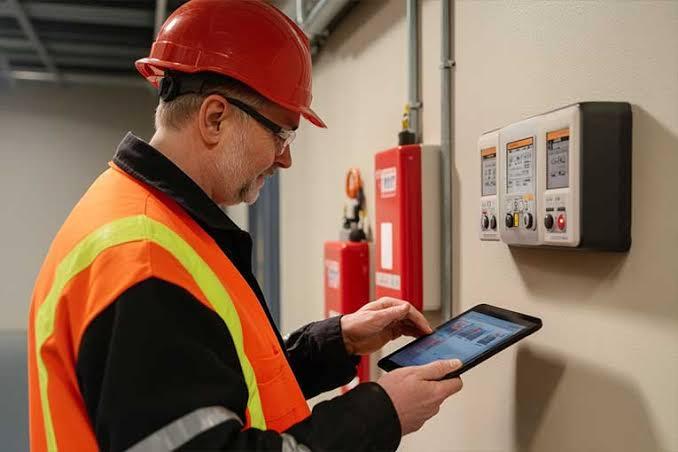
Fire safety is an important responsibility for landlords, business owners, employers, property managers, and other responsible persons across Haringey. A professional Fire Risk Assessment Haringey helps identify potential fire hazards, assess the risks they create, and determine whether suitable precautions are in place.
From offices and shops to restaurants, residential buildings, HMOs, warehouses, and community premises, every property can have different fire safety challenges. A suitable fire risk assessment provides a structured approach to identifying those risks and recommending practical improvements.
What Is a Fire Risk Assessment?
A Fire Risk Assessment Haringey is a systematic examination of a property and its activities to identify possible fire hazards and assess the risk to people. It also considers the measures already in place to prevent fires and protect occupants during an emergency.
A typical assessment may consider:
- Sources of ignition
- Combustible materials
- Electrical installations and equipment
- Heating systems
- Cooking equipment
- Fire alarm systems
- Emergency lighting
- Fire extinguishers
- Fire doors
- Escape routes
- Emergency exits
- Fire safety signage
- Evacuation procedures
- People who may need additional assistance
The aim is to identify hazards, reduce risks, and ensure that suitable fire safety arrangements are maintained.
Why Is Fire Risk Assessment Important in Haringey?
Haringey has a diverse mixture of residential and commercial properties. Offices, retail premises, restaurants, schools, warehouses, residential blocks, HMOs, care facilities, and mixed-use buildings can all have different levels and types of fire risk.
For example, a restaurant may have additional risks associated with cooking equipment and grease, while an office could have risks involving electrical equipment, kitchens, storage, and occupancy. A residential building may require particular attention to communal escape routes, fire doors, compartmentation, and evacuation arrangements.
A Fire Risk Assessment Haringey should therefore be based on the actual property, its occupants, and the activities carried out there.
Who Needs a Fire Risk Assessment?
Fire safety responsibilities can apply to a wide range of premises. Depending on the circumstances, the responsible person may be an employer, landlord, property owner, occupier, facilities manager, or another person who has control of the building.
A fire risk assessment may be relevant to:
- Offices
- Shops
- Restaurants and cafés
- Hotels
- Guest accommodation
- Warehouses
- Factories
- Schools
- Care facilities
- HMOs
- Residential blocks
- Community centres
- Mixed-use properties
- Other commercial premises
The specific responsibilities will depend on the type, size, use, and occupancy of the property.
What Does a Fire Risk Assessment Haringey Cover?
A comprehensive assessment should examine the property's fire hazards, occupants, existing precautions, and emergency arrangements.
1. Identifying Fire Hazards
The assessment begins by identifying potential sources of fire. These can include electrical equipment, heaters, cooking appliances, machinery, smoking materials, and other ignition sources.
Combustible materials and waste should also be considered. Poor storage practices can increase the likelihood of fire or allow a fire to spread more quickly.
2. Identifying People at Risk
The assessment considers everyone who may be affected by a fire. This can include employees, residents, customers, visitors, contractors, and other occupants.
Additional consideration may be required for people who could have difficulty evacuating independently, including those with mobility or other support needs.
3. Checking Escape Routes
Safe escape routes are essential during a fire. Corridors, staircases, passageways, emergency exits, and final exit doors should be suitable for the premises and kept clear.
An assessment may identify blocked routes, inadequate signage, unsuitable doors, or other issues that could delay evacuation.
4. Inspecting Fire Doors
Fire doors can play an important role in limiting the spread of fire and smoke. Their condition and effectiveness should therefore be considered.
The assessment may examine doors, frames, hinges, seals, closers, and other relevant components. Damaged or poorly maintained fire doors may require repair or replacement.
5. Reviewing Fire Alarm Systems
Fire alarms and detection systems provide an important warning to occupants when a fire is detected.
An assessment may consider detector coverage, alarm audibility, manual call points, system suitability, testing, and maintenance arrangements.
The system should be appropriate for the property's size, layout, use, and occupancy.
6. Assessing Emergency Lighting
Emergency lighting can help people find escape routes if normal lighting fails during an emergency.
The assessment may review the positioning and suitability of emergency lighting, together with testing and maintenance arrangements.
7. Checking Fire Extinguishers
Fire extinguishers should be appropriate for the potential fire hazards present at the premises. Their accessibility, location, condition, signage, and servicing arrangements should also be considered.
Firefighting equipment should complement other fire safety measures rather than replace effective fire prevention and evacuation arrangements.
8. Reviewing Evacuation Procedures
An effective emergency plan helps occupants understand what to do if a fire occurs.
Depending on the type of premises, arrangements may include evacuation procedures, assembly points, staff responsibilities, communication methods, and procedures for assisting people who require additional support.
Benefits of Professional Fire Risk Assessment Services
Identifying Fire Hazards
A professional assessment can identify hazards that may not be obvious during normal day-to-day operations.
Improving Fire Safety
The findings can help property owners and managers understand which areas require attention and what improvements may be appropriate.
Protecting People
Effective fire precautions can help reduce risks to employees, residents, customers, contractors, and visitors.
Improving Emergency Preparedness
A suitable assessment can support better evacuation planning and help clarify responsibilities during an emergency.
Supporting Fire Safety Responsibilities
Maintaining an appropriate assessment and acting on its findings can help responsible persons manage their fire safety duties.
When Should a Fire Risk Assessment Be Reviewed?
A fire risk assessment should reflect the current condition and use of a property. It may need to be reviewed when circumstances change or when the existing assessment is no longer considered suitable.
Reasons for review can include:
- Building alterations
- Changes in property use
- Changes in occupancy
- New equipment or machinery
- Changes to fire alarm or other safety systems
- Introduction of new combustible materials
- Fire incidents or near misses
- Changes to evacuation arrangements
- Identification of new hazards
Regular review helps ensure that fire safety arrangements remain appropriate.
Choosing a Fire Risk Assessment Provider in Haringey
When choosing a fire risk assessment provider, consider their competence, experience, qualifications, and understanding of the type of property being assessed.
A good assessment should be tailored to the individual premises rather than simply completing a standard checklist. It should identify hazards, consider people at risk, review existing precautions, record significant findings, and provide practical recommendations.
For complex or multi-occupancy buildings, relevant experience with fire doors, passive fire protection, compartmentation, evacuation arrangements, and alarm systems can be particularly valuable.
Fire Safety in Residential and Multi-Occupancy Buildings
Residential blocks, HMOs, and other multi-occupancy buildings can present additional fire safety considerations.
Communal areas, escape routes, fire doors, compartmentation, alarm arrangements, and building management procedures may all need to be considered. Where different people have responsibility for different parts of a building, cooperation and coordination may also be necessary.
Good communication between landlords, managing agents, residents, businesses, and other responsible persons can help ensure that fire safety arrangements work effectively across the entire property.
Why Ongoing Fire Safety Management Matters
Completing a fire risk assessment is only one part of effective fire safety management. Recommendations should be reviewed and appropriate actions should be completed.
Fire alarms, emergency lighting, fire extinguishers, fire doors, and other safety measures also require appropriate inspection, testing, and maintenance. Staff should receive suitable fire safety information and training, while escape routes should remain clear.
Regular monitoring can help identify problems before they develop into serious fire safety risks.
A professional Fire Risk Assessment Haringey provides a structured way to identify fire hazards, assess risks, and improve fire safety arrangements.
Whether you manage an office, shop, restaurant, warehouse, residential block, HMO, care facility, or another type of property, the assessment should reflect the actual characteristics and use of the building.
By identifying hazards, reviewing escape routes and fire doors, checking alarms and emergency arrangements, considering people at risk, and acting on recommendations, responsible persons can create a stronger fire safety strategy for their premises.
FAQs
1. What is a Fire Risk Assessment Haringey?
A Fire Risk Assessment Haringey is an assessment of the fire hazards and safety arrangements within a property in Haringey. It helps identify risks and recommends suitable improvements.
2. Who is responsible for fire safety?
Depending on the circumstances, the responsible person may be an employer, landlord, property owner, occupier, facilities manager, or another person who has control of the premises.
3. What does a fire risk assessment check?
It can examine fire hazards, people at risk, escape routes, fire doors, alarms, emergency lighting, fire extinguishers, evacuation procedures, signage, and other relevant fire safety measures.
4. Does every property need the same fire risk assessment?
No. The assessment should reflect the property's size, layout, use, occupancy, fire hazards, and existing safety arrangements.
5. When should a fire risk assessment be reviewed?
It should be reviewed regularly and whenever significant changes occur, such as alterations to the building, changes in use or occupancy, new hazards, or changes to fire safety systems.
6. Can a professional assessor carry out the assessment?
Yes. A competent professional can assist with the assessment when the responsible person does not have the appropriate expertise or resources to carry it out themselves.
 Italiano
 English
 Arabic
 French
 Spanish
 Portuguese
 Deutsch
 Turkish
 Dutch
Dutch
 Russian
 Romaian
 Portuguese (Brazil)
 Greek
Greek