


Understanding High Blood Sugar Test Results and Their Causes
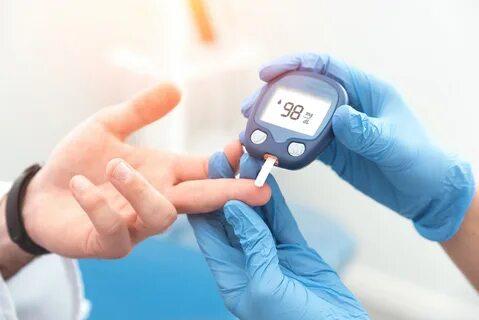
Receiving a blood sugar test result above the normal range can be concerning, especially if you have never experienced glucose problems before. However, one elevated reading does not always mean you have diabetes. Blood glucose can change throughout the day due to food, physical activity, stress, illness, medication, and other factors.
Understanding what your Blood Sugar Test Dubai results mean is the first step toward making informed decisions about your health. The type of test, whether you were fasting, and how high the result was all influence its interpretation.
This guide explains how to read high blood glucose results, what different numbers may indicate, why blood sugar rises, and when follow-up testing or medical care is important.
Start With the Number: What Does a High Blood Sugar Result Mean?
A high blood sugar result means that the amount of glucose in your blood is above the expected range for the specific test. This condition is called hyperglycemia.
Glucose is the body's main source of energy. After eating, carbohydrates are broken down into glucose, which enters the bloodstream. Insulin, a hormone produced by the pancreas, helps move glucose from the blood into cells.
When the body does not produce enough insulin or cannot use it effectively, glucose may build up in the bloodstream.
The meaning of an elevated result depends on the test performed. A fasting blood sugar reading, a random glucose test, and a two-hour oral glucose tolerance test have different reference ranges.
How to Interpret High Blood Sugar Test Results?
The following diagnostic ranges are commonly used for nonpregnant adults. They are intended for laboratory testing, not for interpreting every home glucose meter reading.
1. Fasting Blood Sugar Results
A fasting plasma glucose test measures blood sugar after you have had nothing to eat or drink except water for at least eight hours.
| Fasting blood glucose | Interpretation |
|---|---|
| Below 100 mg/dL | Normal |
| 100–125 mg/dL | Prediabetes range |
| 126 mg/dL or higher | Diabetes range |
A fasting blood sugar level of 100–125 mg/dL suggests impaired fasting glucose, which means your body may be having difficulty regulating glucose. It increases the risk of developing type 2 diabetes, although it does not mean diabetes is inevitable.
A result of 126 mg/dL or higher falls within the diabetes diagnostic range. If you do not have clear symptoms of hyperglycemia, a healthcare professional generally needs to confirm the result with repeat or additional testing.
2. Two-Hour Oral Glucose Tolerance Test Results
An oral glucose tolerance test (OGTT) measures how your body handles a standardized glucose drink. Blood glucose is checked before and two hours after consuming the drink.
| Two-hour OGTT result | Interpretation |
|---|---|
| Below 140 mg/dL | Normal |
| 140–199 mg/dL | Prediabetes range |
| 200 mg/dL or higher | Diabetes range |
These thresholds apply specifically to a standardized oral glucose tolerance test. They should not be confused with a blood sugar reading taken two hours after an ordinary meal.
3. HbA1c Test Results
The HbA1c test, also called the glycated hemoglobin test, estimates your average blood glucose over approximately the previous two to three months.
| HbA1c result | Interpretation |
|---|---|
| Below 5.7% | Normal |
| 5.7–6.4% | Prediabetes range |
| 6.5% or higher | Diabetes range |
Unlike a fasting glucose test, an HbA1c test does not require fasting. It can help identify longer-term patterns that a single blood glucose measurement may not reveal.
Certain conditions, including some forms of anemia, blood loss, hemoglobin disorders, and changes in red blood cell turnover, can affect HbA1c accuracy. Your clinician may consider another test if the result does not match your glucose readings or clinical situation.
Why Does Blood Sugar Become High? Common Causes Explained?
An elevated blood glucose result can have several possible explanations. Some are temporary, while others may indicate an ongoing problem with insulin production or insulin resistance.
Insulin Resistance and Type 2 Diabetes
Insulin resistance occurs when body cells do not respond properly to insulin. The pancreas may initially produce more insulin to compensate, but over time it may struggle to keep blood glucose within a healthy range.
This is a major factor in type 2 diabetes. Risk factors include excess body weight, limited physical activity, family history, and a history of gestational diabetes.
Type 1 Diabetes and Reduced Insulin Production
Type 1 diabetes is an autoimmune condition in which the immune system attacks the insulin-producing cells in the pancreas. As insulin production becomes severely reduced, blood glucose can rise.
Type 1 diabetes can develop at different ages and may cause symptoms over a relatively short period. It requires medical assessment and insulin treatment.
Eating More Carbohydrates Than Your Body Can Manage
Carbohydrate-rich foods such as bread, rice, pasta, sweets, and sugary drinks can raise blood glucose after eating.
This rise is a normal part of digestion. However, large portions or meals containing substantial amounts of rapidly absorbed carbohydrates may cause higher post-meal glucose levels, particularly in people with diabetes or insulin resistance.
Stress, Infection, and Illness
Physical stress from infections, fever, surgery, injuries, or other illnesses can increase blood sugar. Stress hormones may encourage the liver to release more glucose and can make insulin less effective.
Emotional stress and poor sleep may also affect glucose regulation.
Medicines That Increase Blood Glucose
Certain medications can raise blood sugar in some people. Examples include corticosteroids, some antipsychotic medicines, and certain other treatments.
Never stop a prescribed medication because of a high glucose result. Ask your healthcare professional whether your medication could be contributing to the change.
Signs That May Accompany High Blood Sugar:
Some people have high blood glucose without noticeable symptoms, particularly in the early stages of type 2 diabetes.
When symptoms occur, they may include:
-
Increased thirst
-
Frequent urination
-
Unusual tiredness
-
Blurred vision
-
Increased hunger
-
Unexplained weight loss
-
Slow-healing cuts or wounds
-
Recurrent skin or urinary infections
These symptoms are not proof of diabetes because other conditions can cause similar problems. However, persistent symptoms should prompt medical evaluation and appropriate blood glucose testing.
One High Reading Does Not Always Mean Diabetes:
Blood sugar results can be influenced by testing conditions and temporary changes in the body. For example, eating before a fasting test, acute illness, stress, and some medications may affect glucose levels.
The testing method also matters. A home glucose meter is useful for monitoring blood sugar, but it is not a substitute for laboratory testing when diagnosing diabetes.
For people without clear symptoms of severe hyperglycemia, diabetes diagnosis generally requires two abnormal results. These may come from the same test repeated at different times or from two different diagnostic tests.
If results are inconsistent, your healthcare professional may repeat the test that was above the diagnostic threshold and investigate possible reasons for the difference.
What Should You Do After Receiving a High Blood Sugar Result?
A high result is a reason to investigate, not a reason to panic. The appropriate next step depends on how elevated the reading is, whether you have symptoms, and whether diabetes has already been diagnosed.
Step 1: Check the test details. Confirm whether the test was fasting, random, or part of an oral glucose tolerance test. Review the laboratory's reference range and make sure you understand the units.
Step 2: Arrange follow-up testing. If your result falls within the prediabetes or diabetes range, discuss repeat fasting glucose, HbA1c, or another appropriate test with your healthcare professional.
Step 3: Review possible contributing factors. Tell your clinician about recent illness, stress, medication changes, and any symptoms you have experienced.
Step 4: Discuss practical lifestyle changes. Depending on your health needs, these may include balanced meals, appropriate portion sizes, regular physical activity, sufficient sleep, and weight management where appropriate.
Step 5: Follow your treatment plan. If you already have diabetes, use your prescribed monitoring and medication plan. Do not change insulin or other medication doses without professional guidance.
When Is High Blood Sugar an Emergency?
Very high blood glucose can sometimes lead to serious complications, including diabetic ketoacidosis (DKA) or hyperosmolar hyperglycemic state (HHS).
Seek urgent medical care if high blood sugar occurs with warning signs such as:
-
Vomiting or severe abdominal pain
-
Difficulty breathing or unusually deep, rapid breathing
-
Fruity-smelling breath
-
Severe dehydration
-
Confusion, extreme drowsiness, or reduced consciousness
These symptoms require urgent assessment, particularly in someone with diabetes. Do not delay care while waiting for another home glucose reading.
Frequently Asked Questions:
What Blood Sugar Level Is Considered High?
For a fasting laboratory test, 100–125 mg/dL is in the prediabetes range, while 126 mg/dL or higher is in the diabetes range. Interpretation depends on the test and whether the result needs confirmation.
Can Stress Cause High Blood Sugar?
Yes. Physical and emotional stress can trigger hormonal changes that increase blood glucose. Illness, pain, and poor sleep may also contribute to elevated readings.
Does High Blood Sugar Always Mean Diabetes?
No. A temporary rise can occur due to meals, illness, stress, or medication. However, repeated elevated results should be assessed by a healthcare professional.
Which Test Is Best for Detecting Diabetes?
Fasting plasma glucose, HbA1c, and the oral glucose tolerance test are all accepted diagnostic methods. The most suitable option depends on your symptoms, medical history, and clinical circumstances.
Can High Blood Sugar Return to Normal?
It may improve depending on the cause. Prediabetes can often be managed with lifestyle changes and, in some cases, medication. Diabetes can also be managed effectively with an individualized treatment plan, although it requires ongoing care.
Final Thoughts:
Understanding high blood sugar Lab tests results means looking beyond a single number. Your fasting status, the type of glucose test, symptoms, medical history, and possible temporary influences all help determine what an elevated result means.
Fasting glucose, HbA1c, and oral glucose tolerance testing provide different information about blood sugar regulation. If a result is above the expected range, arrange appropriate follow-up rather than diagnosing yourself from one reading.
With accurate testing, professional guidance, and a suitable health plan, elevated blood glucose can be identified and managed before it leads to more serious complications.
 Russian
 English
 Arabic
 French
 Spanish
 Portuguese
 Deutsch
 Turkish
 Dutch
 Italiano
 Romaian
 Portuguese (Brazil)
 Greek