


Dental Instrument in US – Dental Instruments, Tools & Supplies
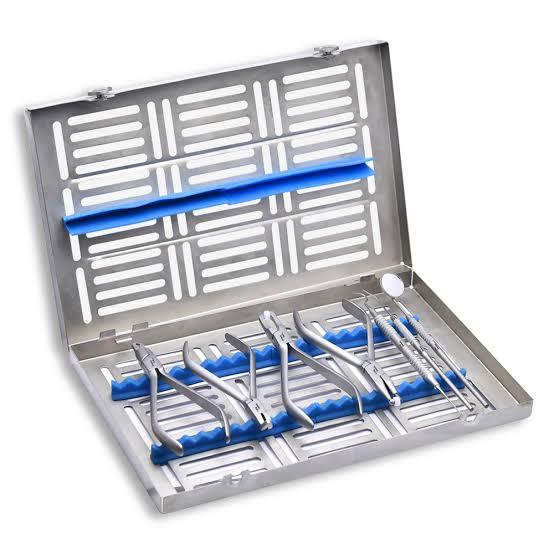
Dental Instrument in US for Professional Dental Care
Choosing the right Dental Instrument in US is an important part of maintaining an efficient and well-organized dental practice. Dentists, hygienists, dental assistants, and oral healthcare professionals depend on suitable instruments for examination, cleaning, restorative procedures, extraction, and other clinical tasks. The right tools can make routine procedures easier while supporting accuracy, comfort, and proper handling during patient care.
Why Dental Instruments Matter in Modern Dentistry
Dental instruments are designed for specific clinical purposes. Although many instruments may look similar, each one has a particular function and shape that helps dental professionals perform a procedure correctly. A good selection of instruments allows a dental team to work smoothly without constantly searching for alternative tools.
Modern dental practices may use a wide range of equipment and hand instruments. Examination mirrors, probes, explorers, scalers, curettes, forceps, elevators, retractors, and restorative instruments are commonly used according to the type of treatment being performed.
The condition and quality of these instruments also matter. Instruments that are properly maintained can provide better handling and help dental professionals complete procedures with greater confidence.
Different Types of Dental Instruments
Dental instruments can generally be divided into several categories based on their purpose. Understanding these categories can help a practice select the tools needed for its daily procedures.
Diagnostic Instruments
Diagnostic instruments are used during dental examinations. Dental mirrors help professionals view areas that may be difficult to see directly. Probes and explorers can assist in examining tooth surfaces and identifying areas that may require additional attention.
These basic instruments are used regularly, making them an important part of almost every dental setup.
Periodontal Instruments
Periodontal instruments are designed for examining and treating the tissues surrounding the teeth. Probes can be used to evaluate periodontal pockets, while specialized instruments may be used during professional cleaning and periodontal procedures.
Proper instrument selection can help dental professionals perform these tasks with better control and precision.
Dental Extraction Instruments
Extractions require instruments designed to provide appropriate grip and leverage. Dental forceps and elevators are commonly associated with extraction procedures, with different designs available for different clinical requirements.
Because extraction procedures require careful handling, dental professionals need instruments that are suitable for the procedure and comfortable to control.
Restorative Instruments
Restorative procedures often require specialized hand instruments for placing, shaping, and finishing dental materials. These instruments are designed to provide control when working on teeth during restorative treatment.
The correct instrument can help improve workflow and make detailed dental work more manageable.
Choosing the Right Dental Instruments
Selecting dental instruments should not be based only on appearance. Several factors can influence whether an instrument is suitable for professional use.
First, consider the intended application. An instrument designed for examination may not be appropriate for periodontal treatment or extraction. Understanding the purpose of each tool helps prevent unnecessary purchases and supports a more organized dental setup.
The handle design is another important consideration. Dental professionals may spend many hours holding and using instruments, so comfortable handling can make a difference during repetitive procedures.
Material and construction should also be considered. Instruments need to withstand regular use, cleaning, sterilization, and proper storage. Durable construction can help maintain their functionality over time when instruments are cared for correctly.
Dental Instruments for Everyday Practice
A dental practice usually needs a combination of basic and specialized tools. Everyday procedures may require examination instruments, cleaning tools, restorative instruments, and surgical accessories.
Keeping frequently used instruments organized can save time between patients. Dental teams can arrange instruments according to procedure type, making it easier to prepare a treatment area before an appointment.
An organized instrument system can also support better workflow. Instead of collecting individual tools at the last moment, staff can prepare complete instrument sets based on the procedure scheduled for the patient.
Importance of Instrument Maintenance
Buying suitable instruments is only one part of maintaining a professional dental environment. Proper cleaning, sterilization, inspection, and storage are equally important.
After use, instruments should be handled according to established infection-control procedures. Dental practices should follow applicable professional and regulatory guidelines for cleaning and sterilization.
Regular inspection can also help identify damaged, worn, or malfunctioning instruments. Handles, working ends, joints, and cutting surfaces should be checked when appropriate. Instruments that no longer perform as intended may need servicing or replacement.
Proper storage protects instruments from unnecessary damage and keeps them ready for future procedures.
Dental Instruments and Infection Control
Infection control is a central part of dental practice. Instruments that come into contact with patients must be processed correctly according to the applicable infection-prevention procedures.
Dental teams should use appropriate cleaning and sterilization methods and follow the instructions associated with the instruments and equipment being used. Separating clean and used instruments can also help maintain an organized clinical environment.
Good infection-control practices protect both patients and dental professionals while supporting a safer treatment setting.
Finding Dental Instruments in the US
Dental professionals looking for dental instruments in the United States have many factors to consider before selecting products. The best choice depends on the type of practice, procedures performed, frequency of use, and professional requirements.
A general dental clinic may need a broad collection of diagnostic, periodontal, restorative, and preventive instruments. A specialist practice may require more specific tools designed for particular procedures.
Before purchasing, it is useful to review the instrument specifications, intended application, material, design, maintenance requirements, and compatibility with existing equipment.
Benefits of a Well-Selected Instrument Set
A properly selected instrument collection can make everyday dental work more convenient. Dental professionals can have the appropriate tools available for routine examinations and procedures without unnecessary interruptions.
Well-organized instruments can also improve preparation time. When tools are grouped according to their purpose, assistants can prepare treatment areas more efficiently.
Another benefit is consistency. Using suitable instruments for repeated procedures allows dental professionals to become familiar with the handling and performance of their preferred tools.
Supporting Better Dental Work
Dental care involves precision, concentration, and careful attention to detail. Instruments are an important part of this process because they allow professionals to examine, clean, restore, and treat teeth and surrounding tissues.
Whether a practice needs basic dental hand instruments or specialized surgical tools, selecting products according to actual clinical requirements is a practical approach. Instead of focusing only on having a large collection, dental teams can prioritize instruments that are genuinely useful for their procedures.
Conclusion
The right dental instruments can contribute to an organized, efficient, and professional dental practice. From diagnostic mirrors and probes to periodontal tools, extraction forceps, elevators, and restorative instruments, every category has a specific role in patient care.
When choosing Dental Instrument in US options, dental professionals should consider intended use, handling, construction, maintenance, sterilization requirements, and overall suitability for their clinical environment. With proper selection, care, and organization, dental instruments can support smoother procedures and help professionals provide dependable oral healthcare.

 English
 French
 Spanish
 Portuguese
 Deutsch
 Turkish
 Dutch
Dutch
 Italiano
 Russian
 Romaian
 Portuguese (Brazil)
 Greek
Greek