


Comprehensive Guide to Hair Transplant Prices in Riyadh
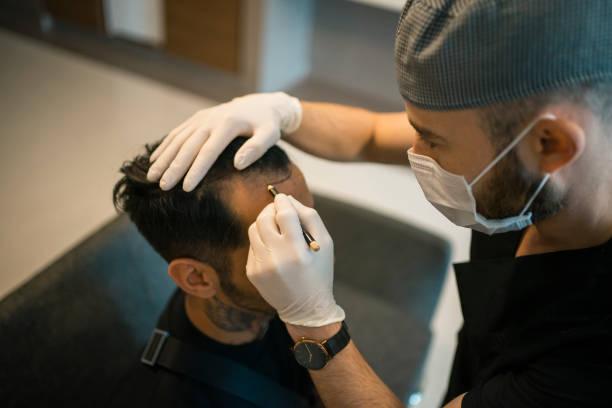
Hair restoration has become one of the most sought-after cosmetic procedures for individuals experiencing hair thinning or baldness. Modern techniques have transformed the field, offering natural-looking outcomes and improved patient satisfaction. Understanding the factors that influence Hair Transplant Prices in Riyadh can help individuals make informed decisions when considering treatment and planning their hair restoration journey.
People researching Hair Transplant Prices in Riyadh(تكلفة زراعة الشعر في الرياض) are often looking for reliable information about what affects treatment planning, procedure selection, and overall value. While pricing can vary from one case to another, gaining insight into the process and the factors involved allows patients to choose a solution that aligns with their expectations and long-term goals.
Understanding Hair Transplant Procedures
Hair transplantation is a cosmetic procedure designed to restore hair growth in areas affected by hair loss. The treatment involves transferring healthy hair follicles from a donor area, typically located at the back or sides of the scalp, to regions experiencing thinning or baldness.
Modern hair transplant methods focus on creating natural hairlines and ensuring optimal follicle survival. Advanced techniques have significantly improved the precision and effectiveness of hair restoration procedures, making them a popular choice among both men and women.
Common Hair Transplant Techniques
Several techniques are used in hair transplantation, with each approach tailored to the individual's hair loss pattern and goals. Follicular Unit Extraction (FUE) is widely preferred because it involves extracting individual hair follicles and transplanting them to targeted areas. This method minimizes visible scarring and supports a quicker recovery.
Another commonly used method is Follicular Unit Transplantation (FUT), which involves removing a strip of scalp tissue and dissecting it into grafts for transplantation. Both techniques aim to achieve natural-looking density and long-lasting results.
Who Can Benefit from Hair Transplantation?
Hair transplant procedures are suitable for individuals experiencing pattern baldness, receding hairlines, thinning crowns, or hair loss due to certain conditions. Candidates typically have sufficient donor hair and realistic expectations regarding outcomes.
A professional assessment is essential to determine eligibility and create a personalized treatment plan that addresses the patient’s specific concerns and desired results.
Factors Influencing Hair Transplant Planning
Hair transplantation is not a one-size-fits-all procedure. Several factors influence the complexity and scope of treatment, which can impact the overall treatment approach.
Extent of Hair Loss
The amount of hair loss plays a significant role in determining the number of grafts required. Individuals with extensive baldness generally require more grafts to achieve satisfactory coverage and density compared to those with minor thinning.
The stage of hair loss also affects treatment planning, as specialists must design a strategy that accommodates future hair loss patterns while maintaining a natural appearance.
Desired Density and Coverage
Every patient has unique aesthetic goals. Some individuals seek subtle improvement, while others desire maximum density. The desired level of coverage influences the number of transplanted follicles and the overall procedure complexity.
Achieving balanced and natural-looking density requires careful planning, artistic skill, and attention to detail during the transplantation process.
Importance of Choosing the Right Clinic
Selecting a reputable clinic is one of the most important decisions in the hair restoration journey. A qualified and experienced team can significantly influence treatment outcomes and patient satisfaction.
Advanced Technology and Equipment
Leading clinics utilize advanced technologies to improve precision, graft survival rates, and patient comfort. Modern equipment supports efficient extraction and implantation, helping achieve consistent and natural-looking results.
Clinics that invest in innovative techniques often provide a more refined treatment experience and enhanced outcomes.
Personalized Treatment Planning
Every patient presents a unique hair loss pattern, scalp condition, and set of expectations. A thorough consultation allows specialists to develop customized treatment plans that address individual needs and deliver realistic results.
Personalized planning also ensures that the donor area is managed effectively to preserve future treatment options if needed.
What to Expect During Recovery
Recovery is an important part of the hair transplant process. Most patients can return to their normal routines within a short period, although following aftercare instructions is essential for optimal healing.
Initial Healing Phase
During the first few days after the procedure, mild redness, swelling, or tenderness may occur. These effects are temporary and generally resolve as the scalp heals.
Proper scalp care and adherence to post-treatment guidelines help protect newly transplanted follicles during this crucial phase.
Hair Growth Timeline
Hair growth following transplantation occurs gradually. Newly transplanted hairs may shed initially before entering a growth phase. Visible improvements typically become noticeable over the following months, with continued enhancement as the follicles mature.
Patience is important, as final results develop progressively and contribute to a fuller, more natural-looking appearance.
Frequently Asked Questions
Q: How long do hair transplant results last?
A: Hair transplant results are generally long-lasting because transplanted follicles are typically resistant to the hormonal factors responsible for hair loss.
Q: Is a hair transplant suitable for both men and women?
A: Yes, hair transplantation can benefit both men and women who meet the appropriate candidacy requirements.
Q: When can I return to normal activities after a hair transplant?
A: Most patients can resume many daily activities within a few days, although recovery instructions should always be followed carefully.
Q: Will the transplanted hair look natural?
A: Modern hair transplant techniques are designed to create natural-looking hairlines and density when performed by experienced professionals.
Q: Can additional sessions be needed in the future?
A: Depending on the extent of hair loss and individual goals, some patients may choose additional treatments to enhance coverage or address future hair thinning.
Book a Consultation with Enfield Royal Clinic
If you are considering hair restoration and want professional guidance tailored to your needs, Enfield Royal Clinic(عيادة إنفيلد الملكية) offers comprehensive consultations to help you understand your options. Their experienced team focuses on personalized treatment planning, advanced techniques, and patient-centered care to support individuals seeking effective and natural-looking hair restoration solutions.
 Portuguese
 English
 Arabic
 French
 Spanish
 Deutsch
 Turkish
 Dutch
Dutch
 Italiano
 Russian
 Romaian
 Portuguese (Brazil)
 Greek
Greek