


What Happens If You Stop Glutathione Injections?
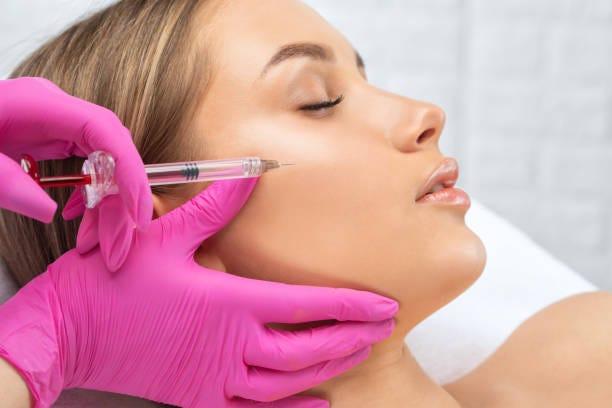
Glutathione injections have become a benchmark therapy in modern aesthetic medicine and functional wellness. Endorsed for its unmatched antioxidant capability, glutathione—a tripeptide molecule naturally produced by the liver—works at a cellular level to scavenge reactive oxygen species (ROS), facilitate Phase II liver detoxification, and suppress dark melanin synthesis. Through intravenous (IV) or intramuscular (IM) administration, patients often enjoy a clearer, brighter, and more luminous skin complexion alongside heightened energy levels.
However, a major concern for many patients undergoing or considering treatment is understanding the long-term commitment involved. Specifically: What actually happens to your skin and health if you stop receiving glutathione injections? Do the results disappear overnight, or does the skin maintain its newfound radiance?
Understanding the biological processes that occur after discontinuing glutathione therapy will help you set realistic expectations and manage your long-term aesthetic goals effectively. If you are exploring targeted treatments such as Glutathione Injection in Dubai (حقن الجلوتاثيون في دبي), knowing how to sustain your results ensures a smooth and predictable skin health journey.
How Glutathione Works While You Are on Treatment
To understand what happens when you stop, it helps to review what occurs while you actively receive injections. Glutathione influences skin pigmentation primarily through two pathways:
-
Inhibition of Tyrosinase: Glutathione directly binds to and inhibits the tyrosinase enzyme, which is required for producing eumelanin (the dark brown or black pigment in skin).
-
Pathway Shift to Pheomelanin: It encourages melanocyte cells to synthesize pheomelanin (light red-yellow pigment) rather than eumelanin, leading to a lighter, more uniform skin tone over time.
Because parenteral administration bypasses the digestive tract, high concentrations saturate tissue cells rapidly. As long as treatments continue regularly, tyrosinase activity remains suppressed, keeping dark pigment production at a minimum.
What Happens When You Discontinue Injections?
When you stop receiving glutathione injections, exogenous supplies of the antioxidant gradually clear from your bloodstream. The body transitions back to its natural baseline state through a predictable biological timeline.
1. Reversion to Natural Baseline Melanin Production
Glutathione therapy does not permanently alter your genetic makeup or permanently disable your melanocytes. Once exogenous glutathione levels decline:
-
Tyrosinase enzyme activity gradually returns to its baseline rate.
-
Melanocytes resume their genetically dictated ratio of eumelanin to pheomelanin production.
-
Newly formed skin cells will reflect your natural baseline pigmentation.
2. The Epidermal Renewal Cycle (No Instant Reversal)
Your skin will not instantly turn dark or dull the day you stop injections. Skin cells undergo a continuous turnover cycle lasting approximately 28 to 40 days. The cells lightened during treatment must naturally migrate to the surface, age, and desquamate (shed). As a result, changes occur slowly over several weeks to months rather than overnight.
3. Gradual Reduction in Cellular Antioxidant Reserves
Beyond aesthetic changes, stopping injections means your systemic antioxidant capacity returns to baseline levels. Your liver will rely entirely on endogenously synthesized glutathione to process environmental pollutants, alcohol, and metabolic stress, which may result in a subtle decline in energy levels or skin luminosity over time.
Timeline of Changes After Stopping Treatment
While individual responses vary based on lifestyle, sun exposure, and genetics, the typical progression following discontinuation follows this general timeline:
| Timeframe | Biological Process | Visible Skin Effect |
| Weeks 1 – 2 | Exogenous glutathione clears from circulation; baseline metabolic state resumes | Skin retains radiance; minimal to no visible change in tone |
| Weeks 3 – 6 | Tyrosinase enzyme activity resumes; new cells produce baseline melanin ratios | Subtle decrease in "glow"; hyperpigmentation may slowly start reappearing |
| Months 2 – 4 | Full turnover of epidermal cell layers completes | Skin tone gradually returns close to original baseline shade |
| Months 6+ | Complete reliance on endogenous antioxidant production | Skin reflects baseline genetic tone and current environmental exposure |
Will Your Skin Become Darker Than Before?
A common myth is that stopping glutathione injections causes a "rebound effect," making the skin darker than it was before starting treatment. This is scientifically inaccurate.
Glutathione does not damage melanocytes or trigger hyperactive melanin production upon cessation. Your skin will simply return toward its natural baseline tone. However, if you experience significant sun exposure without proper UV protection after stopping, fresh UV-induced sun spots or tanning can occur, which might give the impression of darker skin.
Factors That Influence How Fast Results Fade
Several internal and external variables dictate how rapidly your skin tone returns to its baseline:
-
Sun and UV Exposure: Ultraviolet radiation is the single strongest stimulus for tyrosinase activation. Unprotected sun exposure rapidly accelerates dark melanin synthesis after stopping treatment.
-
Baseline Lifestyle and Diet: Alcohol consumption, smoking, chronic stress, and poor sleep deplete natural glutathione reserves, speeding up tone reversion.
-
Maintenance Protocol: Transitioning to a spaced-out maintenance schedule (e.g., one session per month) maintains results far longer than stopping abruptly.
-
Concurrent Skincare Routine: Continued use of topical Vitamin C, niacinamide, and retinoids helps slow pigment re-accumulation on the surface layer.
How to Maintain Your Results After Stopping Injections
If you decide to pause or stop active injection sessions, implementing these strategies will help you preserve your brighter complexion for as long as possible:
1. Apply Broad-Spectrum Sunscreen Daily
Protecting your skin from UV light is mandatory. Use a broad-spectrum SPF 50+ sunscreen daily, reapplying every two hours during outdoor activity, to block UV-triggered tyrosinase stimulation.
2. Transition to a Maintenance Schedule
Rather than stopping completely, consider moving from a weekly "loading phase" to a monthly or quarterly maintenance session. This preserves reduced tyrosinase activity with significantly fewer visits.
3. Incorporate Oral Antioxidants and Sulfur-Rich Foods
Support your body's endogenous glutathione production by consuming sulfur-rich foods such as broccoli, kale, garlic, and onions. Pairing this with oral Vitamin C and N-acetyl cysteine (NAC) supplements helps maintain steady internal antioxidant defense.
4. Consult a Qualified Clinical Specialist
When planning to alter your injection schedule, seek advice from licensed professionals at an established cosmetic center like عيادة تجميل دبي. Experienced practitioners can design a sustainable maintenance protocol or recommend complementary topical regimens tailored to your skin type and lifestyle.
Summary!
Stopping glutathione injections causes no harm or aggressive rebound dark pigmentation. Instead, your body slowly returns to its natural baseline melanin synthesis and cellular turnover rate over 2 to 4 months. Because glutathione operates as a temporary metabolic regulator rather than a permanent genetic modifier, maintaining long-term skin luminosity relies on consistent sun protection, a healthy lifestyle, and optional maintenance routines designed by certified medical providers.
 Portuguese
 English
 Arabic
 French
 Spanish
 Deutsch
 Turkish
 Dutch
Dutch
 Italiano
 Russian
 Romaian
 Portuguese (Brazil)
 Greek
Greek