


Why Has NAD Supplement Become a Growing Topic in the American Health Industry?
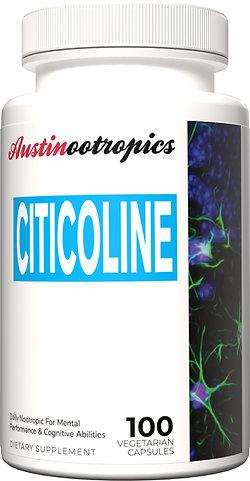
The American wellness landscape is changing. Instead of concentrating only on weight management or basic nutrition, many people are becoming interested in what happens inside their cells. This shift has brought cellular metabolism, healthy aging, and energy production into everyday health conversations. One product category receiving increasing attention is the NAD Supplement, largely because NAD+ is a naturally occurring molecule involved in essential cellular processes. Researchers have connected NAD+ with energy metabolism, DNA repair, cellular signaling, and other biological functions. That scientific foundation has helped move NAD-related products from a niche subject into broader discussions about modern wellness, although research is still developing.
Why NAD+ Matters to the Human Body
NAD+ is not a completely new discovery or an exotic substance created for the supplement industry. It is a coenzyme naturally present in human cells and participates in numerous biochemical reactions. It helps cells process nutrients and contributes to pathways involved in energy production and cellular maintenance. Because of these functions, scientists have become interested in whether maintaining NAD+ availability could have relevance for aging and metabolic health. This biological connection is one reason the NAD Supplement market has attracted attention among American consumers. However, the presence of NAD+ in important cellular pathways does not automatically mean supplementation produces dramatic health benefits, making evidence-based expectations especially important.
Healthy Aging Is Driving Consumer Curiosity
The idea of healthy aging has become much broader than simply living longer. Many Americans want to preserve mobility, mental sharpness, energy, and independence as they grow older. This cultural shift has encouraged interest in nutrition and compounds that may influence biological processes associated with aging. NAD+ has naturally become part of that discussion because researchers have studied its relationship with cellular aging. A recent review found that evidence for declining NAD+ with age in humans is more limited than earlier assumptions sometimes suggested. Consequently, the NAD Supplement conversation is best understood as an emerging area of research rather than a settled anti-aging solution.
Research Has Expanded Beyond Laboratory Studies
For years, much of the excitement surrounding NAD+ came from laboratory and animal research. These studies produced intriguing findings and encouraged scientists to investigate whether similar effects could occur in humans. Human research has now grown considerably, particularly around NAD+ precursors such as nicotinamide riboside and nicotinamide mononucleotide. A 2026 systematic review identified 33 human intervention studies within its evidence base and reported that oral NR and NMN consistently demonstrated biochemical target engagement. This expanding research base explains why the NAD Supplement category continues to appear in health discussions, while also reminding consumers that promising biological findings are not the same as proven clinical outcomes.
The Appeal of Cellular Energy
Energy is one of the most relatable wellness concerns. People naturally want to understand why they feel energetic on some days and exhausted on others. Sleep, exercise, food intake, stress, and numerous physiological factors can influence how someone feels. NAD+ attracts attention because it participates in cellular energy metabolism. That connection has helped the NAD Supplement become associated with conversations about vitality and metabolic function. Yet the science requires nuance. Increasing NAD-related biomarkers does not necessarily mean an individual will experience a noticeable boost in daily energy. Researchers continue to investigate whether changes in NAD+ status produce meaningful improvements in physical performance, metabolism, or other health outcomes.
The Longevity Industry Has Created More Visibility
America's growing longevity sector has also helped put NAD+ on the public radar. Wellness clinics, researchers, entrepreneurs, podcasts, and health-focused communities frequently discuss strategies intended to support long-term health. This environment gives cellular compounds considerably more exposure than they might receive in traditional nutrition conversations. NAD+ fits naturally into the longevity discussion because researchers are examining its roles in metabolism, DNA repair, inflammation, and cellular signaling. As a result, the NAD Supplement has gained visibility among people interested in proactive wellness. Still, consumers should separate scientific investigation from promotional language, particularly when products are presented as solutions for complex age-related conditions.
Consumers Are Becoming More Research Conscious
Today's supplement shoppers have access to more scientific information than previous generations. Before purchasing a product, many consumers search for clinical studies, ingredient details, manufacturing information, and independent evaluations. This creates an opportunity for the NAD+ category to develop around transparency rather than exaggerated promises. Current reviews suggest that oral NAD+ precursors can increase NAD-related metabolites and have generally been well tolerated in studies lasting weeks to months, but outcomes involving function, metabolism, vascular health, and other measures have been inconsistent. Therefore, anyone considering an NAD Supplement should look at the actual ingredients and available evidence instead of assuming every product has identical effects.
Different Ingredients Can Mean Different Things
A common source of confusion is treating every NAD-related product as though it works in precisely the same way. Researchers have studied several compounds, including nicotinamide riboside and NMN, which are precursors involved in NAD+ biosynthesis. Direct NAD+ products and precursor products should therefore not automatically be considered interchangeable. Scientific reviews have identified NR and NMN as among the most frequently studied NAD-boosting compounds in human research. This distinction matters when evaluating an NAD Supplement, because formulation, dosage, delivery method, study population, and duration can all influence how research findings should be interpreted. Reading the label carefully is therefore more useful than relying on a product's headline claim.
Evidence Still Has Important Gaps
Growing interest does not mean all major questions have been answered. Researchers still need to determine which populations might benefit, what doses are appropriate, how long supplementation should continue, and whether changes in NAD+ levels translate into meaningful improvements in health. A 2025 review emphasized that human clinical evidence remains limited and that results from animal studies cannot simply be transferred to people. This is an important consideration for anyone researching an NOOTROPICS. The most responsible approach is to view the field with curiosity while recognizing its limitations. Stronger randomized trials and longer follow-up studies will help clarify what these products can realistically accomplish.
What Could Happen Next?
The growing discussion surrounding NAD+ reflects a larger transformation in American health culture. People are increasingly interested in cellular biology, healthy aging, personalized nutrition, and evidence-backed approaches to wellness. That combination has created fertile ground for NAD-related products. A 2026 systematic review concluded that NAD+ augmentation shows clear biological activity, while clinical effectiveness for anti-aging and wellness outcomes remains inconclusive. For the NAD Supplement industry, the future will likely depend on better clinical research, responsible communication, transparent formulations, and realistic consumer expectations. As scientists continue exploring NAD+ biology, Americans may gain a clearer understanding of where these products genuinely fit within a broader healthy lifestyle.
 Spanish
 English
 Arabic
 French
 Portuguese
 Deutsch
 Turkish
 Dutch
Dutch
 Italiano
 Russian
 Romaian
 Portuguese (Brazil)
 Greek
Greek