


What Should You Ask Before Paying for Rhinoplasty in Islamabad?
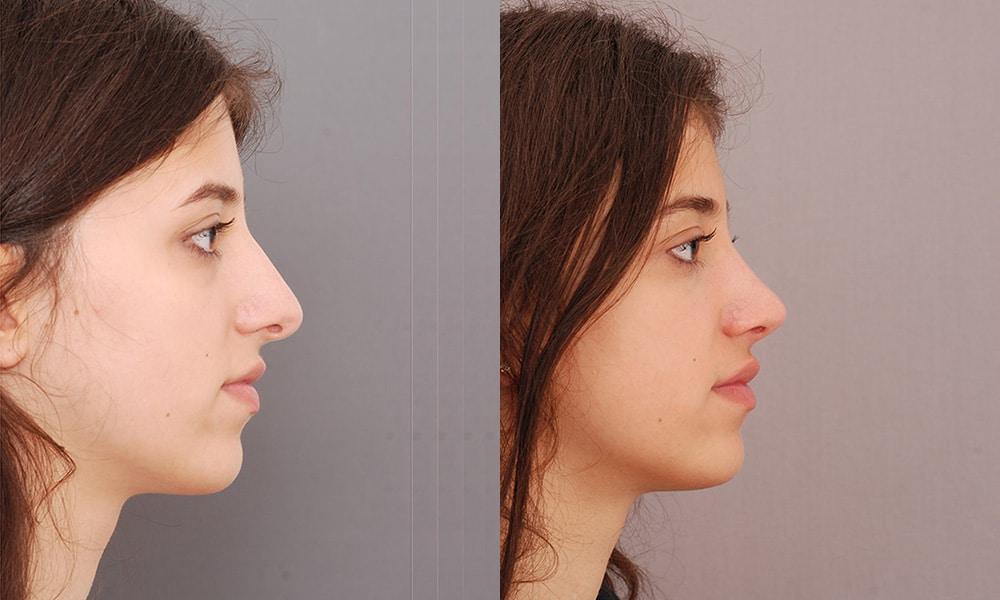
Booking a rhinoplasty procedure is a significant decision, and the questions you ask before paying can shape both your experience and your results. Rhinoplasty in Islamabad shouldn't be chosen based on a quick glance at pricing alone — a thoughtful conversation with your surgeon beforehand can reveal far more about what you're actually signing up for.
Why Questions Matter More Than a Quick Quote
It's easy to focus on getting a number and moving forward, but rhinoplasty is a highly individualized procedure, and the right questions help ensure that the number you're given actually reflects a plan suited to your specific face, goals, and safety needs. Skipping this step can lead to misunderstandings about what's included, unrealistic expectations about results, or unpleasant surprises regarding cost later on.
Ask About the Recommended Surgical Technique
Start by asking which technique — open or closed rhinoplasty — is being recommended for your case, and why. A thoughtful surgeon should be able to explain how your specific anatomy and goals influenced that recommendation, rather than defaulting to one approach for every patient. This also gives you insight into what kind of recovery and scarring, if any, to expect.
Ask Exactly What's Included in the Fee
One of the most important questions to ask is what the quoted price actually covers. Some quotes include only the surgeon's fee, while others bundle in facility charges, anesthesia, and follow-up visits. Without clarifying this upfront, it's easy to end up comparing two very different packages as if they were the same offer, or to be caught off guard by additional charges after booking.
Ask About the Surgeon's Specific Experience
General cosmetic surgery experience isn't the same as deep, specific experience with rhinoplasty. Ask how many rhinoplasty procedures the surgeon has performed, whether they have experience with cases similar to yours (such as a dorsal hump, crooked nose, or revision surgery), and whether you can see relevant before-and-after examples. This helps you gauge their comfort level and skill with your particular concern.
Ask About the Facility and Safety Standards
It's reasonable to ask where the procedure will take place, what accreditation or safety standards the facility follows, and who will be administering anesthesia. These aren't intrusive questions — they're a normal part of due diligence before any surgical procedure, and a transparent provider should answer them without hesitation.
Ask What Recovery Will Actually Involve
Understanding the realistic recovery timeline helps you plan your personal and professional schedule accordingly. Ask about expected downtime, when swelling and bruising typically subside, when you can return to normal activities, and what symptoms would warrant contacting the clinic urgently during recovery.
Ask About Revision Policies
Even with the best planning, occasional touch-ups are sometimes needed to achieve the ideal final result. Ask directly whether the clinic has a revision policy — and if so, what it covers and whether there's an additional cost involved. This is a detail many patients forget to ask about upfront, only to be surprised later if adjustments are needed.
Ask to See Realistic Before-and-After Examples
Request to see cases similar to your own concern, whether that's a dorsal hump, tip refinement, or crooked nose correction. This gives you a more grounded sense of what's realistically achievable, rather than relying solely on digital simulations or verbal descriptions.
Ask About Aftercare Support
Clarify what kind of follow-up care is included — how many post-operative visits, whether the surgeon personally reviews your healing progress, and how questions or concerns during recovery are handled. Strong aftercare support often makes a meaningful difference in both comfort and outcome quality.
Ask How Complications Are Handled
While complications are relatively uncommon with an experienced surgeon, it's worth understanding how the clinic would handle an unexpected issue, from additional monitoring to further treatment if needed. A confident, transparent answer to this question is a good sign of a well-prepared practice.
Key Questions at a Glance
| Question to Ask | Why It Matters |
|---|---|
| What technique will be used, and why? | Clarifies the surgical approach suited to your case |
| What's included in the quoted fee? | Prevents unexpected additional charges later |
| How experienced is the surgeon with cases like mine? | Indicates comfort level and skill with your specific concern |
| What are the facility's safety standards? | Confirms a safe, accredited surgical environment |
| What does recovery actually involve? | Helps you plan realistically around downtime |
| Is a revision policy included? | Protects against added costs if adjustments are needed |
| What aftercare support is provided? | Impacts comfort and outcome quality during healing |
Why This Process Protects You as a Patient
Taking the time to ask these questions isn't about being difficult — it's about making an informed decision for a procedure that affects both your appearance and your health. Surgeons and clinics that welcome detailed questions are typically more transparent overall, which is itself a positive signal about the quality of care you can expect.
Trusting Your Instincts During Consultation
Beyond the specific questions, pay attention to how you feel during the consultation itself. Do you feel rushed, or given time to think through your decision? Are your questions answered clearly, or met with vague reassurances? These impressions often say as much about a provider as the answers themselves.
Frequently Asked Questions
1. Should I get quotes and consultations from more than one clinic? Yes, comparing detailed breakdowns and getting a feel for different surgeons' communication styles can help you make a more confident choice.
2. What if a clinic seems reluctant to answer these questions? Hesitation or vague answers to reasonable questions is a fair reason to consider seeking a second opinion elsewhere.
3. Are follow-up visits usually included in the price? This varies significantly between clinics, so it's important to confirm this specifically before booking.
4. How many rhinoplasty cases should a surgeon have performed to be considered experienced? There's no fixed number, but ask directly about volume and specific experience with cases similar to your own concern.
5. Is it normal to need a follow-up procedure after rhinoplasty? Minor touch-ups are sometimes needed, which is exactly why understanding the clinic's revision policy in advance is worthwhile.
Being an informed, curious patient leads to better outcomes and far fewer surprises along the way. Dynamic Clinic Pk encourages open, detailed questions during consultation, ensuring every patient feels confident and fully informed before moving forward with their procedure.
Key questions to ask your surgeon before paying for rhinoplasty, so you understand exactly what you're investing in.
 Deutsch
 English
 Arabic
 French
 Spanish
 Portuguese
 Turkish
 Dutch
Dutch
 Italiano
 Russian
 Romaian
 Portuguese (Brazil)
 Greek
Greek