


Eco-Friendly Custom Printed Packaging USA for Sustainable Brands
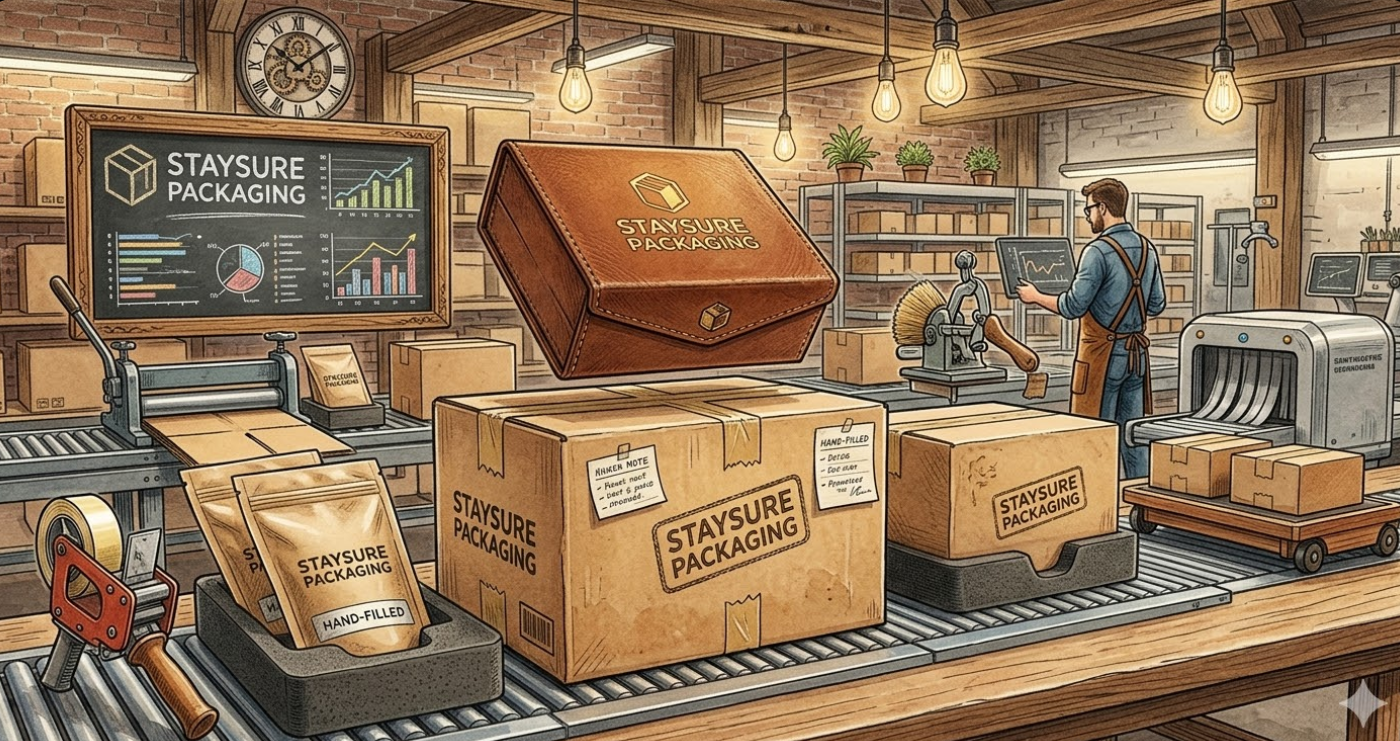
Brands aiming to do good without losing impact need packaging that respects the planet and still shines on shelves. Eco-aware choices can cut waste, reduce costs over time, and build trust with buyers who care about the full lifecycle of a product. The U.S. market increasingly expects packaging that signals responsibility as clearly as it does quality. Small brands can lead with thoughtful design and local partnerships, proving sustainability can pair with strong branding.
In this guide, I share practical insights from years working with sustainable packaging projects in the United States. You’ll find material options, printing practices, supplier considerations, and real-world examples. Our focus stays on recyclable packaging USA, sustainable packaging boxes, and green packaging solutions that actually perform in real life. eco-friendly custom printed packaging USA to spark ideas and direction.
Understanding Eco-Friendly Packaging
Start with the basics: what makes packaging eco-friendly? Look for materials with high recycled content, good end-of-life options, and processes that minimize waste. The right choice depends on your product, shipping needs, and consumer expectations. Material decisions ripple through cost, performance, and perception.
Key sustainable materials include recycled paperboard, kraft paper, corrugated with high recycled content, and certain bio-based options. Each has trade-offs in strength, printability, and moisture resistance. The goal is to balance protection, aesthetics, and ease of recovery.
Certifications and standards guide buyers and buyers’ teams. Look for labels that verify responsibly sourced fiber, reduced chemical use, and clear end-of-life guidance. Transparent supplier claims matter as much as the packaging itself.
End-of-life considerations cover recyclability, compostability, and how consumers should dispose of the package. Provide simple, clear guidance on packaging labels and instructions for curbside recovery where applicable. This reduces confusion and boosts recycling rates.
Custom Printing Essentials for Sustainability
Printing on sustainable substrates requires careful choices. Low-impact inks, like vegetable-based or soy inks, reduce reliance on petrochemicals without sacrificing color. Pair them with water-based coatings that protect the print without introducing excessive chemicals.
Minimalist design isn’t a trend; it’s material efficiency. Reducing ink density and simplifying graphics can lower weight and waste while keeping a strong brand voice. Clean lines and bold typography print well on recycled stock.
Dye-free color strategies help avoid extra processing and chemical use. When color decisions are needed, lean toward palettes that reproduce well with limited ink layers and rely on contrast rather than heavy fill. It’s about readability and impact, not complexity.
Choosing the Right Materials
Recycled content packaging options are plentiful in the US. Look for corrugated and paperboard that come with verified recycled input. The better the post-consumer content, the more you close the loop on waste.
Post-consumer resin (PCR) and bio-based plastics offer opportunities, but verify source sustainability and performance for your product type. PCR can deliver strong results in mailers and outer packaging, while bio-based plastics may suit certain barrier needs. Test for seals, seals, and seals again to ensure compatibility with your printing methods.
Paperboard and corrugated provide a solid base for printability and protection. Choose materials with consistent thickness, good surface energy, and reliable yield during production. A calm, predictable substrate makes color matching easier and waste lower.
Supply Chain and Sourcing in the USA
Local suppliers and regional print partners shorten lead times and reduce freight emissions. Build relationships with printers who understand sustainability goals and can share practical process improvements. Local collaboration often leads to faster iterations and better end results.
Verifying supplier sustainability claims is essential. Request third-party certifications, material safety data, and production traceability. Ask for life-cycle data and case studies showing real waste reductions and improved recyclability outcomes.
Packaging waste regulations and compliance vary by state and municipality. Stay informed about labeling requirements, recyclability disclosures, and any take-back or recycling programs that apply to your products. Compliance keeps your brand trustworthy and ready for expansion.
Design Principles for Eco-Friendly Printed Packaging
Branding can shine with less material. Use bold typography, strong color contrasts, and thoughtful composition to convey premium value without extra layers of ink. A concise design often travels better across substrates and reduces waste in production and disposal.
Typography, color, and graphics should print cleanly on sustainable substrates. High-contrast type and simple logos reduce the risk of misregistration. Avoid fine lines that blur when printed on recycled stock, and test proofs on the actual material before mass runs.
Buffer zones, folds, and dielines matter. Plan for waste reduction early by designing with minimal waste at cut lines and scoring. Smart dielines reduce the need for extra trim and decrease scrap during production.
Production Considerations
Turnaround times and minimum order quantities vary. Plan ahead, but don’t overcommit if you’re still testing designs. Ask printers for realistic lead times and batch options that fit your product cycle.
Quality control for color consistency on recycled substrates is critical. Implement color checks across runs and verify that the ink behaves well with the substrate’s texture and porosity. Small color drift can undermine brand equity, so set strict pass criteria.
Watch for hot spots where material waste tends to accumulate. Review press setups, plate utilization, and trimming strategies to keep waste to a minimum. A quick pre-press check can save a lot of material and time later.
Cost Considerations and ROI
Cost components include substrate, inks, coatings, finishing, and transport. Sustainable options can require higher upfront costs, but the upside comes through waste reduction and consumer loyalty. A well-executed program pays back over time.
Long-term savings show up in reduced material use, streamlined packaging systems, and stronger brand perception. Clear sustainability messaging plus durable packaging can reduce returns and boost repeat purchases. The right balance is durability that protects while still aligning with eco goals.
Trade-offs exist between durability, protection, and sustainability. For fragile items, you may need robust corrugation or protective inserts. The goal is to meet product needs without excess packaging that isn’t recoverable.
Case Studies
Brand A scaled sustainable packaging in the US market by partnering with regional printers and specifying high-recycled-content stock. The result was faster lead times and a more consistent color story across product lines. The changes also reduced overall waste in the supply chain.
Brand B switched to 100% recycled content with vibrant prints. They used clever ink limits and strong contrast to maintain shelf appeal. The result was a noticeable lift in perceived value and strong post-launch feedback on recyclability cues.
Brand C transitioned to compostable packaging without sacrificing shelf appeal. They balanced a clean look with clear labeling on end-of-life steps so consumers felt confident disposing of packaging responsibly. The outcome was positive shopper signals and fewer returns due to packaging concerns.
Compliance and Certification Programs
Forest Stewardship Council (FSC) and other labeling programs help verify responsible sourcing. FSC remains a reliable signal for fiber origin and responsible forests. Look for packaging that carries credible labels you can stand behind.
Sustainable packaging guidelines and reporting frameworks provide structure for tracking progress. Use them to communicate milestones to teams and customers. End-of-life labeling and consumer guidance should be clear and actionable.
Implementation Roadmap for Brands
Assess your current footprint first. Map material use, waste streams, and recycling rates to identify big wins. A clear baseline makes progress measurable.
Set measurable goals and milestones. Put numbers on packaging weight reduction, recycled content targets, and end-of-life clarity. Track progress quarterly and adjust as needed.
Choose partners carefully. Start with a pilot program to test materials, ink systems, and packaging formats. Use learnings to scale with confidence across product lines.
Best Practices for Marketing Eco-Friendly Packaging
Communicate sustainability honestly without greenwashing. Share real numbers, third-party verifications, and practical tips for consumer disposal. Authenticity builds trust and long-term loyalty.
Tell a story through visuals and messages. Show how packaging design reduces waste and protects the product. Use visuals that explain end-of-life steps in simple terms.
Social proof and certifications belong on product pages and packaging. Put crisis-free claims in context with real-world benefits. A credible badge can drive conversion as shoppers seek responsible choices.
Future Trends in Eco-Friendly Printing
Expect new inks, coatings, and barrier materials that reduce environmental impact without sacrificing performance. R&D is pushing toward safer chemistries and lower energy use in production.
Quality of recycled content is improving with better sorting and processing. This means brighter, more consistent prints on post-consumer substrates across sizes and formats. Supply chains will become more resilient as recycling streams mature.
Regulatory shifts and changing consumer demand will keep pushing for transparency. Brands that stay ahead with clear disclosures and verified certifications will gain trust faster than rivals.
Resources and Next Steps
Checklist for selecting a supplier includes material specs, security of supply, and waste handling capabilities. Use it as a quick reference during vendor calls. Having a standard checklist keeps you grounded and efficient.
Recommended certifications and standards to pursue include FSC for fiber sourcing, recycled content verification, and end-of-life labeling guidelines. These help demonstrate your commitment with measurable proof.
Contact-ready prompts and questions for vendors can speed up conversations. Ask about ink systems, substrate compatibility, color management, and proofing processes. Clear questions save time and prevent misalignment.
FAQs
What makes a packaging material truly recyclable in the US?
Materials must be widely accepted by curbside or community recycling programs and be clearly labeled. The brand should provide disposal guidance to help consumers recycle correctly.
How can I reduce ink usage without losing brand impact?
Choose bold typography, high-contrast colors, and simple graphics. Use spot colors where possible and test proofs on the actual substrate to ensure readability.
Are compostable options practical for shipping products?
Compostable packaging works well for some products, especially short-lived packaging like mailers. Check compost facility availability in your regions and confirm end-of-life guidance for customers.
What should I verify with a supplier about sustainability claims?
Ask for third-party certifications, material sourcing data, and proof of recycled content. Request case studies showing real waste reductions and performance outcomes.
How can I measure ROI from sustainable packaging?
Track material use, waste, and returns related to packaging. Monitor brand perception, customer feedback, and sales growth tied to sustainability messaging.
 Dutch
Dutch
 English
 Arabic
 French
 Spanish
 Portuguese
 Deutsch
 Turkish
 Italiano
 Russian
 Romaian
 Portuguese (Brazil)
 Greek
Greek