


Ventilator Care at Home for Patients With Limited Mobility
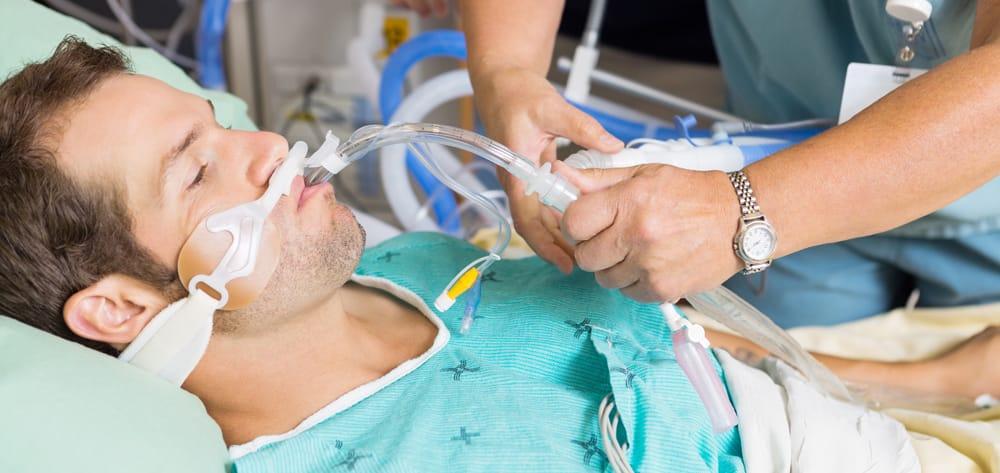
Patients with limited mobility who depend on mechanical ventilation often require specialized support to maintain their respiratory health, comfort, and overall well-being. Ventilator Care At Home In Dubai allows eligible patients to receive personalized assistance in familiar surroundings, helping families manage daily care with guidance from qualified healthcare professionals. Patients who have difficulty moving independently may need support with repositioning, personal hygiene, skin protection, nutrition, and respiratory equipment management. A Doctor at Home service can also help arrange medical assessments and follow-up when appropriate. With a structured care plan, trained caregivers, and reliable equipment, families can help reduce avoidable complications while supporting the patient's dignity, safety, and quality of life.
Understanding Ventilator Care for Patients With Limited Mobility:
Limited mobility can result from neurological conditions, muscle weakness, spinal injuries, chronic respiratory illnesses, advanced age, or recovery following a serious illness. When a patient also requires mechanical ventilation, daily care becomes more complex because respiratory support must be maintained while other physical needs are addressed. Some patients can make small movements independently, while others rely on caregivers for nearly every activity. Their care requirements depend on their diagnosis, prescribed ventilation method, ability to communicate, and overall health. A healthcare team should assess these needs and create an individualized plan covering respiratory support, positioning, personal care, monitoring, and emergency procedures. Understanding the patient's abilities and limitations helps caregivers provide appropriate assistance without compromising essential ventilation equipment.
Maintaining Safe Ventilator Equipment and Respiratory Support:
Ventilator equipment must be managed carefully for patients who cannot independently check connections or respond to device problems. Caregivers should understand the equipment's basic functions, recognize alarms, follow cleaning instructions, and know whom to contact when something appears unusual. Tubing and circuits should be arranged according to professional guidance to reduce pulling, kinking, disconnection, or interference with movement and positioning. Ventilator settings must remain consistent with the prescribed plan, and caregivers should never adjust them without authorization. Essential backup arrangements should also be discussed with the healthcare team, particularly when the patient cannot breathe adequately without ventilation. Severe breathing difficulty, blue or grey lips or skin, unresponsiveness, or interruption of essential ventilatory support requires immediate emergency assistance according to the patient's emergency plan.
Supporting Repositioning and Comfortable Movement:
Patients with limited mobility may remain in one position for extended periods, increasing the risk of discomfort, stiffness, pressure injuries, and reduced circulation. Repositioning helps relieve pressure and should follow a schedule tailored to the patient's medical condition, skin health, tolerance, and support surface. Caregivers may use approved positioning aids and transfer techniques to improve comfort, but they should receive suitable training before moving a patient who depends on ventilation. Ventilator tubing, tracheostomy equipment, and monitoring cables must be considered during every movement to avoid accidental displacement. Depending on the patient's condition, a physiotherapist or other qualified professional may recommend appropriate movement exercises or positioning strategies. Any activity should follow clinical instructions, and sudden pain, breathing changes, or unusual distress should prompt reassessment.
Preventing Pressure Injuries and Protecting Skin Health:
Limited mobility increases the risk of pressure injuries, particularly around the heels, hips, tailbone, elbows, shoulders, and other areas exposed to prolonged pressure. Medical devices and securing straps can also irritate skin when they remain in contact with the same area for extended periods. Caregivers should inspect the skin regularly according to the care plan and report persistent discoloration, swelling, warmth, tenderness, blisters, or broken skin. Gentle hygiene, prompt changing of damp clothing, appropriate moisturizers or barrier products, and pressure-redistributing surfaces may help protect vulnerable areas. The healthcare team should recommend suitable products and a repositioning routine based on the patient's needs. Caregivers should avoid rubbing damaged skin or attempting wound treatment without professional advice, especially when signs of infection are present.
Managing Personal Hygiene and Everyday Activities:
Patients with limited mobility often need assistance with bathing, dressing, oral hygiene, toileting, and changing bedding. These activities should be planned around the patient's respiratory support requirements, energy level, comfort, and privacy. Caregivers should prepare necessary supplies before beginning personal care, explain each step, and avoid unnecessary interruptions to ventilation. Keeping the patient warm, using gentle cleansing products, and checking for moisture or skin irritation can make hygiene routines more comfortable. Oral care is particularly important for patients who cannot manage it independently, although the exact method should reflect their swallowing ability, airway needs, and clinical instructions. Caregivers should never force food, fluids, or oral products when swallowing safety is uncertain. Appropriate training helps families provide personal care while protecting the patient's dignity and respiratory safety.
Supporting Nutrition and Hydration Needs:
Adequate nutrition and hydration can contribute to skin health, strength, and general well-being, but patients with limited mobility may face challenges related to appetite, swallowing, digestion, or underlying medical conditions. Some may require assistance with meals, while others receive nutrition through a feeding tube under a prescribed plan. A physician or dietitian can assess individual requirements and recommend suitable nutritional support. Caregivers should follow instructions about food consistency, feeding methods, positioning during feeding, and prescribed fluid intake. They should not independently change feeding schedules, introduce supplements, or increase fluids when restrictions may apply. Changes such as persistent feeding intolerance, unexpected weight loss, reduced intake, or signs of dehydration should be discussed with the healthcare team so that concerns can be evaluated promptly.
Monitoring Health and Recognizing Warning Signs:
Consistent observation helps caregivers identify changes in patients who may not be able to move or communicate easily. Depending on the care plan, monitoring may include breathing patterns, comfort, alertness, skin condition, temperature, and prescribed oxygen saturation measurements. Caregivers should learn what is normal for the individual patient and how to record relevant changes for the clinical team. Warning signs can include increased breathing difficulty, repeated ventilator alarms, unusual drowsiness, fever, increased secretions, new skin damage, or sudden behavioral changes. No single measurement should be interpreted without considering the patient's overall condition and clinical guidance. If symptoms are severe or rapidly worsening, caregivers should seek urgent medical assistance rather than waiting for a routine appointment.
Promoting Emotional Well-Being and Independence:
Limited mobility and dependence on a ventilator can affect a patient's confidence, social interaction, and sense of independence. Caregivers can support emotional well-being by including the patient in everyday decisions, maintaining familiar routines, and offering communication tools suited to their abilities. Simple choices about clothing, entertainment, visitors, and daily activities can help patients retain a sense of control. Family conversations, video calls, music, reading, and other preferred activities may also reduce isolation. Patients should be given enough time to express discomfort or preferences, particularly when speaking is difficult. Persistent anxiety, sadness, withdrawal, or loss of interest should be discussed with healthcare professionals, who may recommend additional emotional or psychological support.
Creating an Organized Home Care Routine:
An organized routine helps families coordinate respiratory support, personal care, repositioning, and medical follow-up. The home environment should provide enough space for the ventilator, necessary accessories, and safe caregiver access to the patient. Equipment should be placed according to manufacturer instructions and professional recommendations, with essential supplies and emergency contact details kept accessible. A written daily schedule can clarify responsibilities among family members and professional caregivers. Important routine tasks include:
-
Follow the prescribed ventilator care and equipment maintenance instructions.
-
Complete skin checks and repositioning as directed.
-
Maintain personal hygiene and appropriate oral care.
-
Record relevant health changes and report concerns promptly.
-
Keep emergency contacts and backup plans readily available.
-
Ensure caregivers are trained for the tasks they perform.
-
Arrange regular medical reviews and update the care plan when needs change.
A coordinated routine can reduce confusion and help caregivers provide more consistent support.
Final Thoughts.
Ventilator care for patients with limited mobility requires careful coordination of respiratory support, repositioning, skin protection, personal hygiene, nutrition, and emotional well-being. Families can improve the home care experience by following an individualized clinical plan, learning essential equipment procedures, and seeking professional guidance when a patient's needs change. Ventilator Care At Home In Dubai can help eligible patients receive structured support while remaining in familiar surroundings. With trained caregivers, appropriate equipment, regular medical reviews, and clear emergency arrangements, patients can receive care that prioritizes safety, comfort, dignity, and quality of life.
 Portuguese
 English
 Arabic
 French
 Spanish
 Deutsch
 Turkish
 Dutch
 Italiano
 Russian
 Romaian
 Portuguese (Brazil)
 Greek