


Female Hair Transplant in Dubai and Long-Term Hair Maintenance
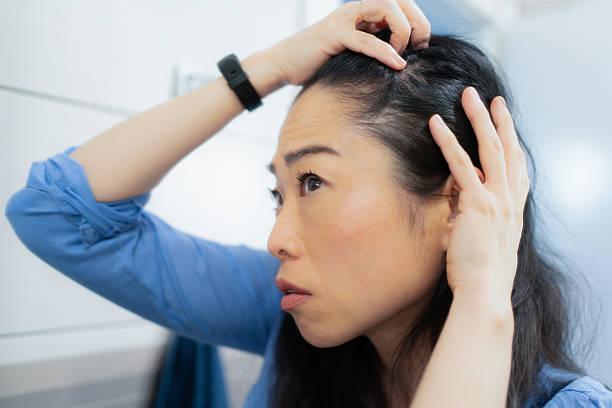
A hair transplant is a treatment decision that should be considered beyond the day of surgery. Women researching Female Hair Transplant in Dubai often want to know how transplanted hair may develop, whether surrounding hair can continue to thin, and what follow-up may be needed over time.
Long-term planning begins before treatment. Donor supply, the cause of hair loss, the recipient area's design, and the possibility of future changes all influence the approach. At Tajmeels Clinic, prospective patients can discuss the service, assessment process, and the importance of setting realistic expectations.
Why Long-Term Planning Matters
A transplant redistributes selected follicles from one area of the scalp to another. It does not create an unlimited supply of new hair, and it does not automatically treat the underlying cause of hair loss.
This means a plan should account for both the intended recipient area and the surrounding natural hair. Even when transplanted follicles continue to grow, non-transplanted hair may change over time.
Long-term planning is especially relevant for women whose hair loss is progressive, diffuse, or associated with an ongoing medical condition. The clinician should explain whether monitoring or additional treatment may be appropriate.
Female Hair Transplant in Dubai Requires Realistic Expectations
A successful treatment plan aims for an improvement that suits the patient's scalp and available donor supply. It should not promise complete restoration or an exact density that cannot be reliably predicted.
Understanding the growth timeline
Transplanted hair may shed during the early recovery period. This can be an expected part of the process and does not necessarily mean the procedure has failed.
New growth develops gradually over subsequent months. The timing and visible density vary by individual, and the final appearance cannot be judged immediately after surgery.
The treating clinician should explain the expected milestones, when follow-up photographs may be useful, and when the outcome can reasonably be evaluated.
Recognizing the limits of donor hair
The donor area contains a finite supply of follicles that can be harvested safely. Using too much donor hair in one procedure may affect its appearance or reduce options for future treatment.
A careful plan prioritizes areas where additional coverage may be most beneficial. It also considers the patient's existing hair, usual hairstyle, and the possibility of future thinning.
Understanding ongoing hair loss
Transplanted follicles may behave differently from the surrounding hair, depending on their characteristics and the underlying condition. However, the transplant does not prevent all future hair loss.
If a progressive condition is present, the clinician may discuss medical management or periodic reassessment. Any treatment recommendation should take account of individual health, medical suitability, and the evidence supporting the proposed approach.
Follow-Up After the Procedure
Follow-up helps the clinical team review healing, address concerns, and assess progress. The exact schedule depends on the procedure and the clinic's protocol.
A follow-up plan may include:
-
Checking the donor and recipient areas during early healing
-
Reviewing symptoms such as persistent pain, redness, or swelling
-
Confirming that washing and aftercare are being performed appropriately
-
Documenting growth over time
-
Discussing further evaluation if growth or healing differs from expectations
Patients should know whom to contact if they develop concerning symptoms between scheduled appointments.
Caring for the Scalp During Recovery
Aftercare instructions should come from the treating team because the correct routine depends on the technique used and the stage of healing.
During early recovery, patients are generally advised to avoid unnecessary friction or pulling on treated areas. Washing, exercise, sun exposure, and hairstyling should follow the clinic's instructions.
Contact the treating team if you notice symptoms that are worsening rather than improving, including significant redness, increasing pain, unusual discharge, fever, or other signs that may suggest a complication. Seek prompt medical advice rather than trying to manage concerning symptoms through cosmetic products.
Maintaining Hair Health Over Time
Long-term hair care depends on the cause of the original hair loss. A transplant cannot replace the need to address an identified medical or nutritional concern.
Reviewing contributing factors
If the hair loss was associated with a medical condition, nutritional deficiency, medication, or repeated hairstyle tension, appropriate management may still be needed. A clinician can advise whether further assessment or treatment is indicated.
Using treatments appropriately
Some women may benefit from medical treatments for certain types of progressive hair loss. These options are not suitable for everyone and should be discussed with a qualified clinician, especially when there are other medical conditions or plans that may affect treatment choices.
Avoid assuming that supplements, oils, or cosmetic products will preserve transplanted hair or prevent future thinning. Their usefulness depends on the specific concern and the evidence supporting their use.
Monitoring changes without overreacting
Hair density can appear different depending on lighting, hairstyle, hair length, and how the hair is parted. Comparing photographs taken under similar conditions may provide a more useful view of change than daily visual checks.
If you notice persistent progression or a new pattern of shedding, arrange a clinical review. A change in density does not automatically mean the transplant has failed; the cause needs to be assessed.
How Future Treatment Decisions Should Be Made
Some patients may eventually ask about additional restoration. Whether another procedure is appropriate depends on donor availability, the condition of the scalp, the outcome of the first treatment, and the pattern of any ongoing hair loss.
A second procedure should not be assumed necessary or suitable in advance. The clinician should reassess the scalp and donor region, review the original goals, and explain the potential benefits and risks.
Possible complications of hair transplantation include infection, bleeding, swelling, scarring, altered sensation, temporary shedding, poor growth, and an unsatisfactory cosmetic result. Long-term planning should include an honest discussion of these limitations.
Questions to Ask Before Surgery
-
How might my hair-loss pattern change over the next several years?
-
How much donor hair can reasonably be used?
-
What growth timeline should I expect?
-
Which follow-up visits are recommended?
-
Could I need medical treatment for non-transplanted hair?
-
What symptoms should prompt me to contact the clinic?
-
What options might remain if further thinning occurs?
These questions help establish a plan that extends beyond the initial procedure and supports informed decisions as your needs change.
Clinic note: A hair transplant can improve selected areas of coverage, but it cannot guarantee that surrounding hair will remain unchanged. Follow-up and realistic long-term planning are important parts of care.
Frequently Asked Questions
Does transplanted hair last forever?
Transplanted follicles can continue to grow long term, but individual results vary. Surrounding non-transplanted hair may continue to thin, and the appearance of the scalp can change with age or underlying conditions.
When should the final result be assessed?
Growth develops gradually over several months. Your clinician should provide an individualized timeline and explain when the outcome can reasonably be evaluated.
Will I need treatment after a hair transplant?
Some patients may benefit from ongoing medical management, depending on the cause of hair loss. Not every patient requires the same treatment, so recommendations should be individualized.
Can I have another transplant later?
A further procedure may be possible for selected patients, but it depends on donor supply, scalp condition, the first result, and the progression of hair loss.
How can I ask Tajmeels Clinic about follow-up and treatment planning?
Visit the Female Hair Transplant in Dubai service page or contact Tajmeels Clinic on WhatsApp to enquire about consultation and follow-up arrangements.
Plan Your Hair Restoration Journey With Tajmeels Clinic
Choosing hair restoration involves understanding the likely cause of thinning, the limits of available donor hair, and the care that may be needed over time. A personalized consultation can help you review these factors and decide whether transplantation is appropriate.
Explore Female Hair Transplant in Dubai and contact Tajmeels Clinic to discuss your hair concerns and the next steps toward an informed treatment plan.
 Deutsch
 English
 Arabic
 French
 Spanish
 Portuguese
 Turkish
 Dutch
 Italiano
 Russian
 Romaian
 Portuguese (Brazil)
 Greek