


Niagara Falls Bus Tour from Toronto: How to Create the Perfect Niagara Itinerary
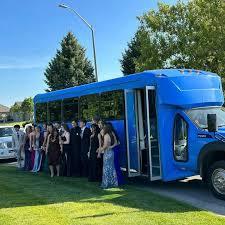
Planning a memorable day trip to Niagara Falls requires more than choosing a destination and setting a departure time. To make the most of the experience, we need to consider transportation, sightseeing opportunities, travel time, meal breaks, seasonal conditions, and the activities that matter most to our group. With the right itinerary, we can explore the spectacular waterfalls, discover nearby attractions, enjoy scenic views, and return to Toronto with lasting memories.
A Niagara Falls Bus tour from Toronto offers a convenient way to organize this experience without managing every part of the drive independently. Instead of navigating unfamiliar roads, searching for parking, and coordinating multiple vehicles, we can focus on the journey and the destinations along the way. Organized transportation can also make it easier to maintain a schedule while allowing enough time to enjoy the highlights of Niagara Falls.
Whether we are visiting for the first time, planning a family outing, arranging a trip with friends, or organizing a group excursion, a thoughtful itinerary helps us use our time effectively. The goal is to balance the major attractions with opportunities to relax, take photographs, enjoy local food, and appreciate the natural beauty of the region.
1. Start Planning Your Niagara Falls Itinerary Early
The foundation of a successful Niagara trip is a clear plan. Before choosing attractions or deciding how long to spend at each location, we should establish the travel date, group size, preferred activities, and expected departure time.
Planning ahead allows us to identify the experiences that matter most. Some travelers want to spend as much time as possible near the waterfalls, while others prefer combining the main attraction with scenic viewpoints, local dining, shopping, or a visit to Niagara-on-the-Lake.
We should also consider the season. Spring can bring refreshing scenery and changing weather, summer generally offers longer daylight hours and a lively atmosphere, autumn provides colorful landscapes, and winter creates a different experience with icy formations and quieter viewpoints.
The season can affect attraction availability, operating schedules, weather conditions, and the amount of time we want to spend outdoors. Checking these details before departure helps us create a realistic itinerary rather than trying to fit too many activities into one day.
When arranging a Niagara Falls Bus tour from Toronto, we should confirm the departure location, return arrangements, expected travel duration, and any planned stops. Knowing these details helps us determine how much time will be available for sightseeing.
2. Choose the Best Departure Time from Toronto
Departure time can influence the entire experience. An early start generally gives us more flexibility to explore Niagara Falls before the busiest periods and leaves additional time for other attractions.
Toronto and Niagara Falls are connected by major roads, but the journey can take longer than expected because of traffic, roadwork, weather, and seasonal visitor demand. We should therefore avoid planning the day around an unrealistically short travel estimate.
Before departure, we should confirm the meeting point and arrive with enough time to board comfortably. If the group includes several passengers, arriving early also allows the organizer to confirm attendance and share any final instructions.
An early departure may be especially useful when the itinerary includes several stops. It provides more flexibility if we want to enjoy a scenic viewpoint, take a break for lunch, or spend additional time near the waterfalls.
We should also account for the return journey. Rather than scheduling activities until the last possible minute, we can reserve sufficient time to reach the departure point and return to Toronto according to the agreed schedule.
A well-planned departure creates a calmer beginning and helps prevent unnecessary rushing later in the day.
3. Make Niagara Falls the Main Highlight
<escape>Niagara Falls</escape> should be the central focus of the itinerary. The powerful water, mist, dramatic viewpoints, and surrounding landscape make the destination memorable for visitors of different ages and interests.
We should allow enough time to appreciate the waterfalls rather than treating them as a quick photograph stop. Walking along the public viewing areas provides different perspectives of the water and surrounding landscape. Depending on the location and conditions, we may be able to observe the Horseshoe Falls, American Falls, and Bridal Veil Falls from designated viewpoints.
The experience changes throughout the day. Morning visits may offer a quieter atmosphere, while later periods can bring larger crowds and different lighting for photography. If taking photographs is important to us, we should allow time to explore several viewing areas instead of stopping at only one.
Comfortable walking shoes are helpful because exploring the main visitor areas may involve considerable walking. We should also bring weather-appropriate clothing, particularly when visiting viewpoints where mist can make clothing damp.
For travelers who want to experience Niagara Falls beyond the scenery, seasonal attractions may provide opportunities to get closer to the water or learn more about the natural landscape. We should check current availability and opening times before including a particular activity in the itinerary.
The best approach is to prioritize the main waterfall experience first, then arrange additional activities around the time available.
4. Select Attractions That Match Your Interests
Niagara offers several experiences, but attempting to visit every attraction in one day can make the itinerary exhausting. Instead, we should select activities according to our interests and the amount of time available.
Enjoy Scenic Viewing Areas
The viewing areas around Niagara Falls provide excellent opportunities to appreciate the scale and movement of the water. We can spend time observing the waterfalls, taking photographs, and enjoying the surrounding atmosphere.
We should identify the viewpoints that are most important to our group and allow enough time to reach them comfortably. During busy periods, additional time may be needed to move through crowded areas.
Consider a Seasonal Boat Experience
During the operating season, boat excursions provide a different perspective of the waterfalls. These experiences can bring visitors closer to the mist and powerful flow of water, creating memorable views from the river.
Availability depends on the season, weather, and operator schedules. If a boat excursion is a priority, we should check the operating dates and ticket arrangements before finalizing the itinerary.
We should also consider the time required for boarding, queues, and returning to the meeting point. This prevents one activity from disrupting the rest of the day.
Explore Additional Viewpoints and Attractions
Observation areas, landscaped public spaces, and nearby visitor attractions can add variety to the trip. Some travelers may prefer learning about the region, while others may enjoy photography or exploring the surrounding entertainment district.
We should choose additional stops carefully, taking account of their distance from the main waterfalls and the amount of time required to visit them.
A practical itinerary includes a few meaningful experiences rather than a long list of places that leave little time to enjoy each one.
5. Add Niagara-on-the-Lake for a Scenic Change of Pace
If the schedule permits, Niagara-on-the-Lake can provide a pleasant contrast to the dramatic scenery of Niagara Falls. The town is known for its historic character, attractive streets, gardens, independent shops, and relaxed atmosphere.
A visit can be especially appealing to travelers who enjoy architecture, local shopping, photography, and leisurely walks. We may choose to explore the central area, stop for refreshments, or spend time discovering the town's distinctive character.
The visit should be planned according to the group's interests and the total duration of the trip. Traveling between Niagara Falls and Niagara-on-the-Lake takes additional time, so we should avoid adding this stop if doing so would leave insufficient time for the main attraction.
If we include the town, it is helpful to decide in advance whether the visit will focus on walking, shopping, dining, or simply enjoying the scenery.
We should also confirm the transportation arrangements and pickup location before leaving the main waterfall area. This makes it easier for everyone to reconnect with the group at the appropriate time.
For a Niagara Falls Bus tour from Toronto, this optional stop can create a more varied day when the itinerary and available time allow it.
6. Plan Lunch and Refreshment Breaks
Food and refreshments are easy to overlook when planning a busy sightseeing day. However, a suitable meal break can improve comfort and give everyone an opportunity to relax between activities.
We should decide whether the group prefers a quick meal, a casual restaurant, or a longer dining experience. The choice will affect how much time remains for sightseeing, so it should be included in the schedule rather than added without planning.
Restaurants and cafés near popular attractions may become busy during peak travel periods. If the group has specific dining preferences, we should identify suitable options before departure and consider whether reservations are necessary.
For a large group, convenient dining arrangements are particularly important. Finding a place that can accommodate everyone at the same time may take longer than expected.
We should also bring water and any necessary personal refreshments, especially during warmer weather or when the itinerary includes extensive walking.
If passengers have dietary requirements or food allergies, these should be considered when choosing a dining location. A little preparation can help prevent unnecessary delays and make the break more enjoyable.
7. Build a Realistic One-Day Niagara Itinerary
A successful itinerary balances sightseeing, travel time, meal breaks, and opportunities to explore without making the day feel rushed.
The following example provides a flexible structure for a day trip. Actual timing will depend on traffic, the transportation provider's schedule, attraction availability, and the group's preferences.
Morning: Depart Toronto and Reach Niagara Falls
Begin the day by arriving at the designated pickup location before the scheduled departure. Once everyone is ready, travel toward Niagara Falls while keeping some flexibility for traffic conditions.
After arrival, head to the main viewing areas and spend time appreciating the waterfalls. This is a good opportunity to take photographs, explore accessible public spaces, and identify which additional experiences the group wants to prioritize.
Late Morning: Explore a Main Attraction
Choose one major activity based on seasonal availability and personal interests. This might include a boat excursion during its operating season or another suitable visitor attraction.
Allow time for queues, walking, and moving between locations. If an activity takes longer than expected, we should be prepared to adjust the remaining schedule.
Early Afternoon: Enjoy Lunch
Plan a convenient lunch break near the next destination or along the route. A moderate meal break allows the group to recharge without taking too much time away from sightseeing.
We should establish a clear meeting point and departure time so everyone knows when the group will continue.
Afternoon: Visit an Additional Destination
Depending on the schedule, we may explore another viewpoint, visit a local attraction, or travel to Niagara-on-the-Lake.
The decision should be based on the time remaining and the group's priorities. If the main waterfall experience has taken longer than expected, staying in the Niagara Falls area may be preferable to adding another destination.
Late Afternoon: Prepare for the Return Journey
Before departure, we should confirm that everyone has returned to the meeting point and collected their belongings. Allowing a buffer for boarding and traffic helps keep the return schedule manageable.
This structure provides a useful starting point, but we should adjust it to match the actual transportation booking and any prearranged attraction times.
8. Choose Transportation That Supports Your Itinerary
Transportation influences how easily we can move between destinations and manage the available time. When planning a group excursion, we should consider the passenger count, pickup arrangements, luggage requirements, and the flexibility needed for the route.
A shared vehicle can simplify coordination by allowing passengers to travel together rather than organizing several cars. This is particularly useful when the group includes visitors unfamiliar with the area or when multiple people need to arrive at the same attraction.
When selecting a Niagara Falls Bus tour from Toronto, we should confirm whether the itinerary includes transportation only or also covers guided sightseeing, attraction tickets, or scheduled stops. Different tour arrangements offer different services, so we should review the details rather than assume every package includes the same features.
We should also clarify whether the schedule is fixed or allows flexibility at selected destinations. Some organized tours follow a predetermined itinerary, while private group arrangements may offer more opportunities to customize the day.
The vehicle should have sufficient seating for the entire group. If passengers are bringing suitcases, strollers, or other belongings, we should confirm that appropriate storage is available.
Clear communication with the transportation provider helps us choose an arrangement that matches the planned activities and avoids misunderstandings on the travel date.
9. Prepare for Weather and Seasonal Conditions
Weather can influence how comfortable and enjoyable a Niagara trip feels. Conditions may change throughout the day, and visitors should be prepared for differences between the weather in Toronto and the conditions near the waterfalls.
During warmer months, we should bring water, sun protection, and comfortable clothing. Mist near the waterfalls can make clothing damp even when the surrounding weather is pleasant.
Spring and autumn may bring changing temperatures, wind, or rain. Wearing layers and carrying a lightweight waterproof jacket can make it easier to remain comfortable while exploring outdoor areas.
Winter visits require additional preparation. Warm clothing, suitable footwear, and attention to icy walking surfaces can help make the experience more comfortable. Some seasonal attractions may also operate on different schedules or close during particular periods.
Before leaving, we should check the weather forecast and confirm the operating status of any attractions that are central to the itinerary.
Flexibility is important because outdoor conditions may affect how long we want to remain at particular viewpoints. If the weather becomes unpleasant, we can prioritize suitable indoor attractions or adjust the sequence of planned activities where possible.
10. Pack the Essentials for a Comfortable Day Trip
Packing carefully helps us avoid unnecessary interruptions during the journey. We do not need to bring everything we own, but a few useful items can make the day more comfortable.
Comfortable walking shoes are essential for exploring viewing areas and moving between attractions. Footwear should provide adequate support and suit the expected weather.
Weather-appropriate clothing helps us remain comfortable throughout the day. Layers are useful when temperatures change, while a waterproof jacket can be valuable near the waterfalls.
A phone and portable charger can help us manage meeting details, take photographs, and communicate with the group organizer. We should ensure our devices have sufficient battery power for the journey.
Water and small snacks can be useful between planned meal breaks. We should follow the rules of individual attractions and dispose of waste responsibly.
Identification and payment methods may be needed for transportation, purchases, or attraction entry. If tickets have been purchased in advance, we should keep the relevant confirmation details accessible.
Personal essentials such as medication, sunglasses, or any required mobility aids should also be packed before departure.
For a group trip, it is helpful to share a short packing checklist with passengers in advance. This reduces repeated questions and helps everyone arrive prepared.
11. Manage Your Budget Before the Trip
A clear budget helps us decide which activities fit the group's priorities without creating unnecessary financial pressure.
The overall cost may include transportation, attraction tickets, meals, refreshments, parking or other applicable fees, and personal purchases. Some organized tours include certain attractions or meals, while others require participants to pay separately.
We should review the package details carefully and identify what is included in the quoted price. This makes it easier to compare transportation options and avoid unexpected expenses.
If the group is traveling together, calculating an estimated cost per person can help with planning. We can divide shared transportation costs by the expected passenger count and then add individual expenses such as meals or optional attractions.
It is also sensible to reserve a small amount for unexpected needs. Prices, schedules, and personal preferences may change, and a little flexibility helps us manage the day without disrupting the entire plan.
We should decide which experiences are essential and which are optional. Prioritizing the main waterfall viewpoints before adding paid activities helps ensure that the central purpose of the trip remains achievable within the budget.
12. Avoid Common Niagara Itinerary Mistakes
Even a well-intentioned travel plan can become difficult to follow if it includes unrealistic expectations. We can avoid many problems by keeping the itinerary practical and allowing sufficient time for each activity.
Scheduling too many attractions: Trying to visit every major destination in one day may leave little time to appreciate any of them. We should prioritize the experiences that matter most.
Underestimating traffic: Travel times can change because of congestion, construction, and weather. We should allow a reasonable buffer for both the outbound and return journeys.
Ignoring seasonal availability: Some activities operate only during particular periods. We should confirm opening dates and times before building the itinerary around them.
Leaving meal breaks until the last minute: Finding suitable dining arrangements for a large group can take time. Planning lunch in advance makes the day easier to manage.
Failing to confirm pickup details: Passengers should know the precise meeting location and departure time. This is particularly important when several groups or transportation services use the same area.
Not checking the tour inclusions: We should verify whether attraction tickets, guided visits, and additional stops are included in the package.
Leaving no flexibility: A rigid itinerary can become stressful when an activity takes longer than expected. Allowing some flexibility helps us adapt without sacrificing the main experience.
Avoiding these mistakes allows us to enjoy the destination while keeping the journey organized.
13. Make the Experience Enjoyable for Families and Groups
A well-planned Niagara excursion should consider the needs of everyone traveling. Families, friends, colleagues, and organized groups may have different preferences, walking speeds, and expectations.
When children are part of the group, we should consider breaks, suitable activities, and convenient meeting points. Older travelers may appreciate a more relaxed schedule with fewer long walks between destinations.
For corporate groups, we may need to prioritize punctuality and coordinate the trip around a fixed event schedule. For friends and family members, the focus may be on sightseeing, photographs, meals, and spending time together.
The best approach is to discuss the main preferences before finalizing the itinerary. We can identify essential attractions, optional activities, and any requirements that may influence transportation or scheduling.
We should also establish a simple communication plan. Passengers should know whom to contact if they have a question, where to meet after exploring an attraction, and what to do if they become separated from the group.
When everyone understands the plan, the organizer can spend less time managing confusion and more time enjoying the experience.
14. Capture Memorable Moments Without Rushing
Niagara Falls offers many opportunities for photography, but memorable experiences do not need to be measured by the number of photographs taken.
We should allow time to enjoy the scenery without constantly checking the schedule or moving immediately to the next viewpoint. A few carefully chosen stops can provide a better experience than rushing between numerous locations.
Different viewpoints offer different perspectives of the waterfalls, and the surrounding area can look different depending on the lighting and weather. We should take photographs while remaining aware of marked pathways, safety instructions, and other visitors.
If the group includes photography enthusiasts, we can identify the preferred viewpoints before departure and allow extra time for them. However, we should ensure that photography stops do not interfere with transportation departure times or prebooked activities.
The most enjoyable itinerary balances planned highlights with moments to relax and appreciate the destination.
Conclusion
Creating the perfect Niagara itinerary starts with understanding the group's interests, choosing the right departure time, and prioritizing the attractions that matter most. From the spectacular waterfalls and scenic viewpoints to seasonal activities, local dining, and the charm of Niagara-on-the-Lake, a well-organized day can offer a rewarding mix of experiences.
We should plan realistic travel times, confirm attraction availability, prepare for the weather, and leave room for unexpected changes. Choosing suitable transportation and sharing clear instructions with passengers can also make the journey easier to coordinate.
A Niagara Falls Bus tour from Toronto can simplify the travel arrangements by bringing the group together and reducing the need to manage separate vehicles. With thoughtful preparation, we can spend less time worrying about logistics and more time enjoying the natural beauty and attractions of Niagara.
The most successful itinerary is not necessarily the one with the most stops. It is the one that balances sightseeing, comfort, timing, and personal interests, allowing us to enjoy the journey as much as the destination.
FAQs
1. How long should we plan for a Niagara Falls day trip from Toronto?
We should generally allow a full day for the round trip and sightseeing. The exact duration depends on traffic, transportation arrangements, the attractions selected, and the time spent at each stop. An early departure can provide more flexibility.
2. What are the main attractions to include in a Niagara Falls itinerary?
The main waterfall viewing areas should be the priority. Depending on the available time and seasonal schedules, we may also include a boat excursion, observation areas, nearby attractions, or a visit to Niagara-on-the-Lake.
3. What is the best time of year to visit Niagara Falls?
Each season offers a different experience. Summer generally provides lively visitor activity and seasonal attractions, spring brings changing landscapes, autumn offers colorful scenery, and winter creates a distinctive atmosphere. We should check weather conditions and attraction availability before traveling.
4. What should we bring on a Niagara Falls day trip?
We should bring comfortable walking shoes, weather-appropriate clothing, water, a phone, a portable charger, identification, and suitable payment methods. Depending on the season, sun protection or a waterproof jacket may also be useful.
5. How can we make a Niagara Falls bus tour more enjoyable?
We can make the experience more enjoyable by booking transportation in advance, choosing a manageable number of attractions, allowing time for meals, checking seasonal schedules, and confirming pickup instructions. A realistic itinerary helps us enjoy the waterfalls without feeling rushed.
For more information: Airlink Tours Niagara Falls Toronto
 French
 English
 Arabic
 Spanish
 Portuguese
 Deutsch
 Turkish
 Dutch
 Italiano
 Russian
 Romaian
 Portuguese (Brazil)
 Greek