


How to Choose the Right Toy Packaging for Protection, Branding, and Retail Appeal
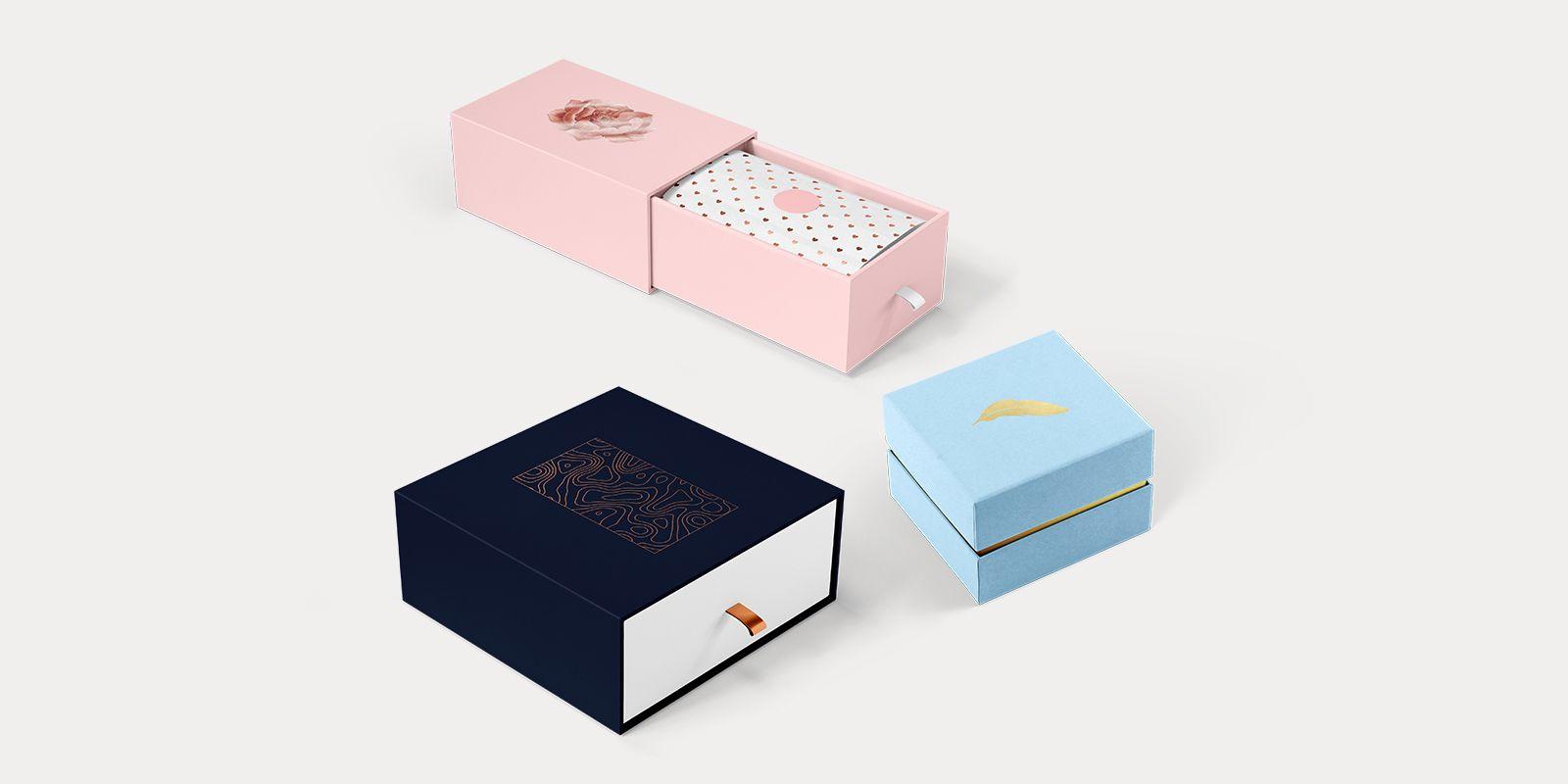
How to Choose the Right Packaging for Toy Products
Effective toy packaging should protect products from damage while making them easy to identify, store, display, and transport. The right design depends on the toy's size, shape, materials, quantity, retail requirements, shipping conditions, and desired customer experience.
Why Toy Packaging Needs Careful Planning
Toys come in countless shapes and sizes, from small collectible products to large educational sets and multi-piece games. Because every product has different dimensions and protection requirements, packaging should be designed around the actual item rather than relying on a generic structure.
Custom Toy Packaging Boxes can be developed around specific product measurements, internal layouts, branding requirements, and retail presentation goals. This allows businesses to select suitable materials, inserts, closures, printing methods, and finishing options.
For companies producing packaging at larger volumes, custom rigid set up boxes wholesale can provide consistent dimensions and presentation across different toy collections.
Choosing the Right Box Structure
Start With Accurate Measurements
Accurate measurements should be the foundation of the packaging design. Measure the toy's length, width, height, and weight, while also considering accessories, instructions, batteries, cards, or other components that need to fit inside.
A box that is too small can make packing difficult, while excessive empty space may allow the toy to move during transportation. Proper sizing helps create a cleaner presentation and can reduce unnecessary material use.
When evaluating custom rigid set up boxes wholesale, consider board thickness, dimensions, closure style, internal support, and finishing together rather than choosing a box based only on its exterior appearance.
Plan the Interior Layout
Many toys include multiple pieces that need to remain organized. Dividers, trays, fitted cavities, paperboard inserts, and other internal components can help keep individual parts separated.
Custom Toy Packaging Boxes can be designed with dedicated compartments for accessories or different components of a toy set. This can make the unboxing process more organized and help prevent smaller pieces from moving around inside the package.
Balancing Protection With Retail Presentation
Toy packaging has both a functional and visual role. It needs to protect the product while also attracting attention when displayed online or on a retail shelf.
A strong design can use color, typography, illustrations, product photography, logos, and finishing techniques to communicate the product's identity. However, the design should remain clear enough for customers to understand what they are purchasing.
For premium toys, rigid construction can create a more substantial presentation. Magnetic closures, specialty papers, embossing, foil details, or custom inserts may also be appropriate when they contribute to the intended customer experience.
Designing for Shipping and E-Commerce
Toys sold online may pass through warehouses, fulfillment centers, courier networks, and multiple handling stages before reaching the customer. During this process, packaging can experience vibration, compression, impacts, and stacking.
A finished package should therefore be tested with the actual toy inside. Check whether the product shifts, whether the closure stays secure, and whether corners and edges maintain their shape.
For premium products, custom rigid set up boxes wholesale can serve as presentation packaging while a separate shipping carton provides additional protection during delivery. This approach allows the retail package to focus on presentation without requiring it to absorb every shipping impact.
Materials and Packaging Efficiency
Material selection influences durability, appearance, weight, production cost, and end-of-life considerations. Rigid board and paperboard can work well for many toy packaging applications, while specific products may require additional protective materials or structural support.
The U.S. Environmental Protection Agency reported that containers and packaging generated 82.2 million tons of municipal solid waste in 2018, representing 28.1% of total generation. The EPA also reported that containers and packaging had an overall recycling rate of 53.9% in that year.
These figures are from 2018, but they demonstrate the scale of packaging materials entering the waste stream. Toy brands can consider right-sized packaging, avoid unnecessary layers, and evaluate recyclable materials where practical and appropriate.
Building a Consistent Toy Brand
Packaging can become an important part of a toy company's visual identity. Consistent colors, typography, logos, illustrations, and structural elements can help different products appear connected as part of the same collection.
Custom Toy Packaging Boxes can be customized with branded graphics, product information, patterns, windows, inserts, and specialty finishes. The goal should be to create packaging that is recognizable while keeping important information easy to find.
For brands with several product categories, using a consistent exterior structure while adapting the interior layout can create a more organized packaging system.
Managing Production Costs
Packaging costs depend on dimensions, materials, printing, inserts, closures, finishing, assembly, and order quantity. More complex designs can increase manufacturing costs, so businesses should determine which features provide genuine value.
Before ordering in bulk, request a prototype or sample. Test the toy's fit, internal organization, closure, print quality, and handling performance.
For larger production programs, custom rigid set up boxes wholesale can help businesses maintain consistent specifications across repeat orders. However, companies should consider storage capacity and expected demand before committing to very large quantities.
Common Mistakes to Avoid
One common mistake is choosing packaging based only on visual appearance. A beautiful package still needs to protect the toy and function effectively throughout storage and transportation.
Another mistake is ignoring small components. Accessories, instruction sheets, cards, and other parts should have designated spaces when necessary.
Businesses should also avoid excessive empty space. Oversized boxes can increase material use, storage requirements, and product movement during shipping.
Finally, testing a physical sample before full production can help identify problems that may not be obvious from a digital design.
FAQ
What should toy packaging protect against?
It should provide protection appropriate to the toy, including resistance to movement, compression, impacts, and other handling risks encountered during storage and transportation.
Can toy packaging be customized for different products?
Yes. Packaging can be customized by dimensions, inserts, materials, closures, printing, and finishes to suit different toys and product collections.
Are rigid boxes suitable for premium toys?
Rigid boxes can be suitable for premium toys, collectibles, gift sets, and products where a structured, durable, and substantial presentation is important.
Final Thoughts
Effective toy packaging combines protection, organization, branding, retail presentation, shipping performance, and production efficiency. The strongest designs are not necessarily the most complicated; they are the ones that fit the product accurately and provide a reliable customer experience.
For brands managing larger packaging programs, custom rigid set up boxes wholesale can support consistent production across multiple toy collections. Custom Toy Packaging Boxes can then be tailored to specific product dimensions, internal layouts, branding requirements, and presentation goals.
 Italiano
 English
 Arabic
 French
 Spanish
 Portuguese
 Deutsch
 Turkish
 Dutch
Dutch
 Russian
 Romaian
 Portuguese (Brazil)
 Greek
Greek